Bhutan isn’t just a place you visit. It’s a place that stays with you.
From sacred rituals and sky-high monasteries to mountain treks and cultural deep dives, Bhutan offers unforgettable moments that few destinations can match. Here are 7 unique Bhutan experiences that will transform your trip into something truly magical.
1. Hike to Tiger’s Nest Monastery (Paro Taktsang)
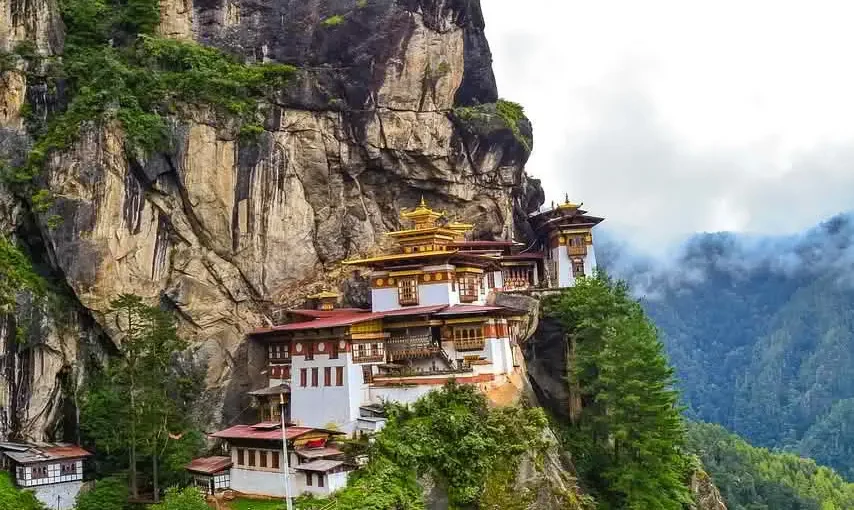
Clinging impossibly to a sheer cliff face 3,000 feet above the Paro Valley, Tiger’s Nest Monastery is Bhutan’s most iconic landmark and a pilgrimage site that will test both your physical endurance and spiritual resolve. The legend tells of Guru Rinpoche, who flew here on the back of a tigress in the 8th century to meditate for three years, three months, three weeks, and three days.
The trek begins through pine forests adorned with colorful prayer flags fluttering in the mountain breeze. As you climb the winding path, the monastery appears and disappears between the trees like a mirage, each glimpse more breathtaking than the last. The final approach requires crossing a waterfall gorge and climbing stone steps carved into the rock face itself.
Inside the monastery, butter lamps flicker in the dim light as monks chant their morning prayers. The spiritual energy is palpable, and many visitors report feeling a profound sense of peace that stays with them long after descending. The three-hour round trip is challenging but accessible to most fitness levels, and the experience ranks among the world’s most remarkable spiritual journeys.
2. Attend a Traditional Tshechu Festival
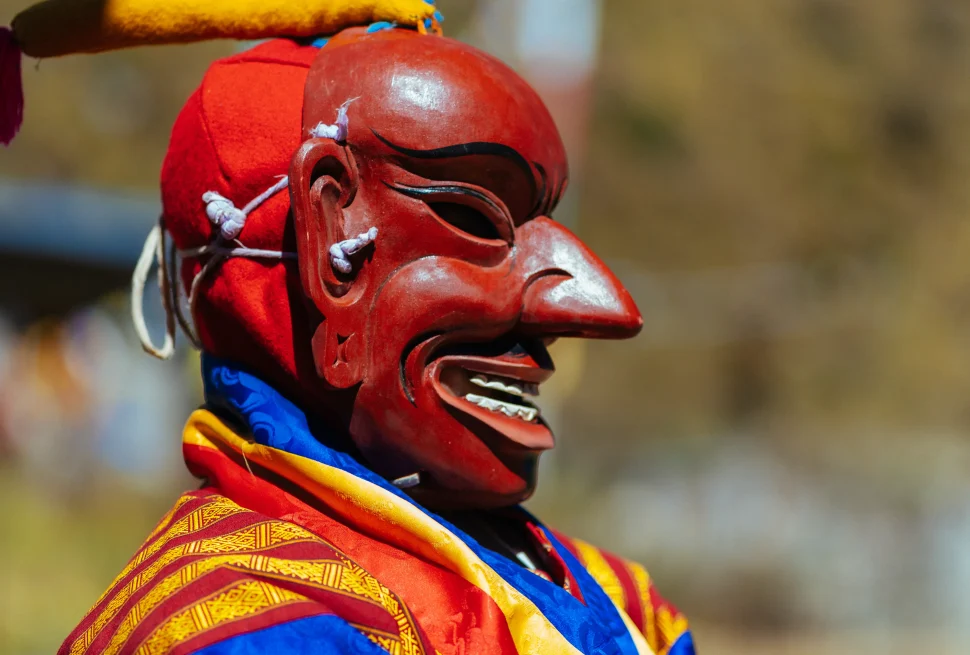
Colorful masks, sacred dances, centuries-old rituals Bhutan’s tshechus (religious festivals) are a vibrant blend of spirituality and celebration. Whether in Thimphu, Paro, or a remote village, attending a tshechu allows you to witness living tradition, surrounded by locals dressed in their finest attire.
What makes these festivals truly special is their authenticity. Unlike many cultural events that have been commercialized for tourists, tsechus remain genuine religious celebrations where visitors are welcomed as honored guests rather than mere spectators. Families bring picnic lunches and make day-long celebrations, creating an atmosphere of joy and community that’s increasingly rare in our modern world.
3. Try Archery – Bhutan’s National Sport
Archery isn’t just Bhutan’s national sport—it’s a cultural institution that provides insight into the Bhutanese character. Traditional Bhutanese archery bears little resemblance to Olympic archery, emphasizing celebration, community, and good-natured competition over pure precision.
In Thimphu’s archery grounds, you’ll learn to use traditional bamboo bows to shoot at targets 145 meters away nearly twice the Olympic distance. But accuracy isn’t the only goal; teams celebrate every shot with elaborate dances and songs, while opponents attempt to distract archers with playful taunts and jokes. The atmosphere is festive and inclusive, welcoming beginners with patience and encouragement.
What makes Bhutanese archery special is its social nature. Matches can last all day, with families bringing elaborate picnics and everyone participating in the celebrations. Learning this traditional sport provides an entertaining introduction to Bhutanese humor, sportsmanship, and community values that emphasize joy over competition.
4. Sleep in a Traditional Bhutanese Homestay
Forget luxury hotels—the most authentic Bhutanese experience comes from staying with a local family in their traditional farmhouse. These multi-story wooden structures, built without a single nail using ancient techniques, offer a window into a way of life that has persisted for generations.
Your hosts will welcome you with butter tea and red rice, then show you to your room decorated with intricate woodwork and traditional textiles. As evening falls, you’ll join the family around the wood-burning stove in the kitchen, the heart of every Bhutanese home. Stories are shared over meals of ema datshi (chili with cheese) and momos, while the family’s grandmother spins prayer wheels and recites mantras.
Wake to the sound of temple bells echoing across the valley and join your hosts for morning prayers in their private shrine room. Many families will invite you to help with daily tasks like milking yaks, harvesting crops, or weaving traditional textiles. These homestays create genuine connections that often lead to lifelong friendships and provide insights into Bhutanese culture that no guidebook could capture.
5. Visit a Dzong Dressed in National Attire
Experience Bhutan’s living heritage by donning traditional dress and visiting magnificent dzongs fortress-monasteries serving as both spiritual centers and government seats. This transforms you from observer to participant in centuries-old traditions.
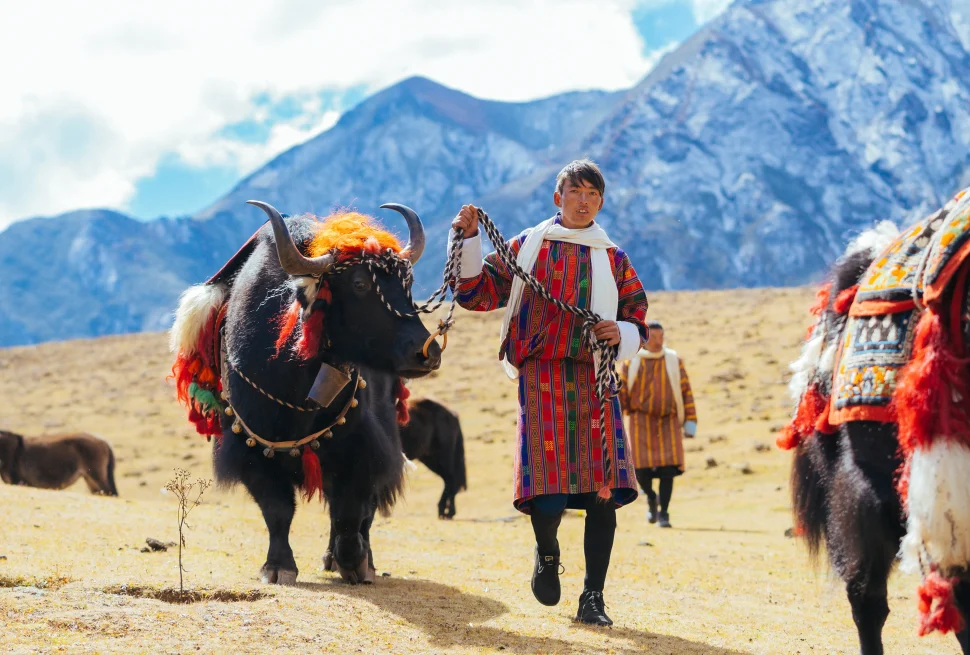
Men wear the gho (knee-length robe with kera belt) while women don the elegant kira (ankle-length dress with tego jacket). Bhutanese locals proudly help visitors achieve the perfect traditional look.
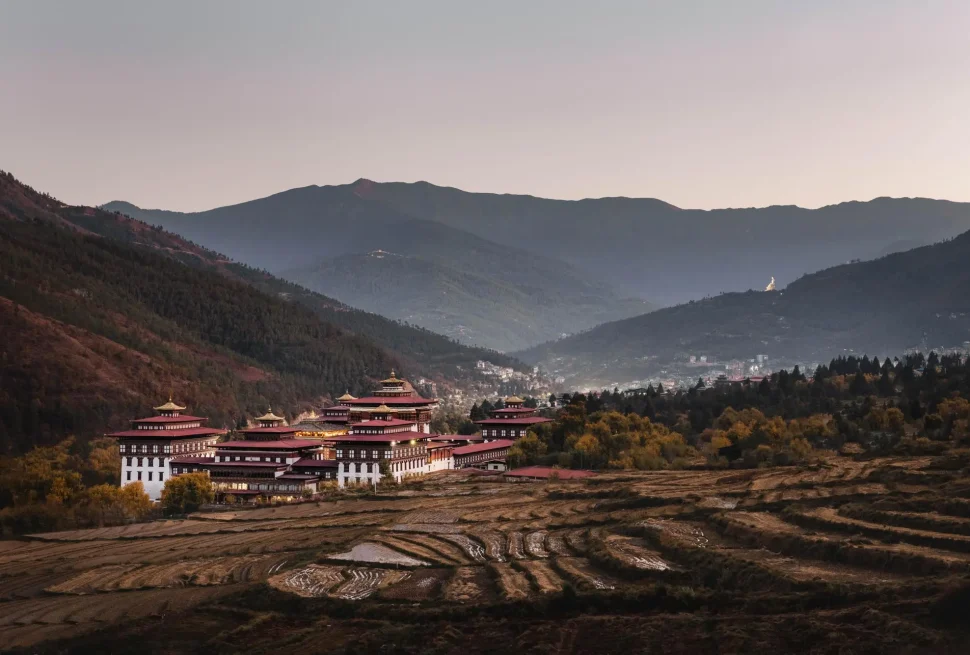
Dressed appropriately, you will gain deeper access to dzong ceremonies and feel the profound respect these architectural marvels command. The majestic Punakha Dzong at the confluence of two rivers and Thimphu’s golden-roofed Tashichho Dzong transform from tourist sites into sacred spaces where you truly participate rather than simply observe.
Wearing traditional dress shows cultural respect and connects you to Bhutanese identity and spirituality, creating a deeper sense of belonging in this ancient land.
6. Indulge in a Hot Stone Bath
After days of mountain hiking, nothing beats a traditional Bhutanese hot stone bath a therapeutic experience combining ancient healing wisdom with pure relaxation.
River stones are heated in outdoor fires until red-hot, then transferred with wooden tongs into wooden tubs filled with mountain spring water and artemisia leaves (khempa), a medicinal herb. As the glowing stones hit the water, dramatic steam rises, creating a mystical atmosphere under the Himalayan sky.
The mineral-rich stones release their heat while artemisia infuses healing properties into the water, believed to treat arthritis and altitude sickness. As you soak with prayer flags fluttering overhead, the perfectly calibrated temperature soothes aching muscles while mountain sounds create a natural symphony.
The most authentic experiences happen in rural villages where families have maintained these traditions for generations, with some offering the ultimate luxury of bathing under star-filled skies.
7. Discover Bhutan’s Unique Approach to Happiness
Bhutan stands as the world’s only country to prioritise Gross National Happiness over GDP, a revolutionary philosophy you can experience firsthand through community interactions. This isn’t just a government slogan; it’s a lived reality woven into daily life.
Visit local schools where children learn traditional values alongside modern subjects, or join community meetings where decisions are made through consensus rather than competition. The four pillars of GNH, sustainable development, environmental conservation, cultural preservation, and good governance, become tangible as you witness communities working together for collective wellbeing.
Participate in monastery meditation sessions where monks explain how inner peace contributes to societal harmony, or observe how the absence of traffic lights reflects a trust-based society where cooperation trumps regulation. Most profound is witnessing how Bhutanese greet strangers warmly, share meals generously, and approach challenges collectively, revealing that happiness isn’t just personal, but a national commitment to everyone’s wellbeing.