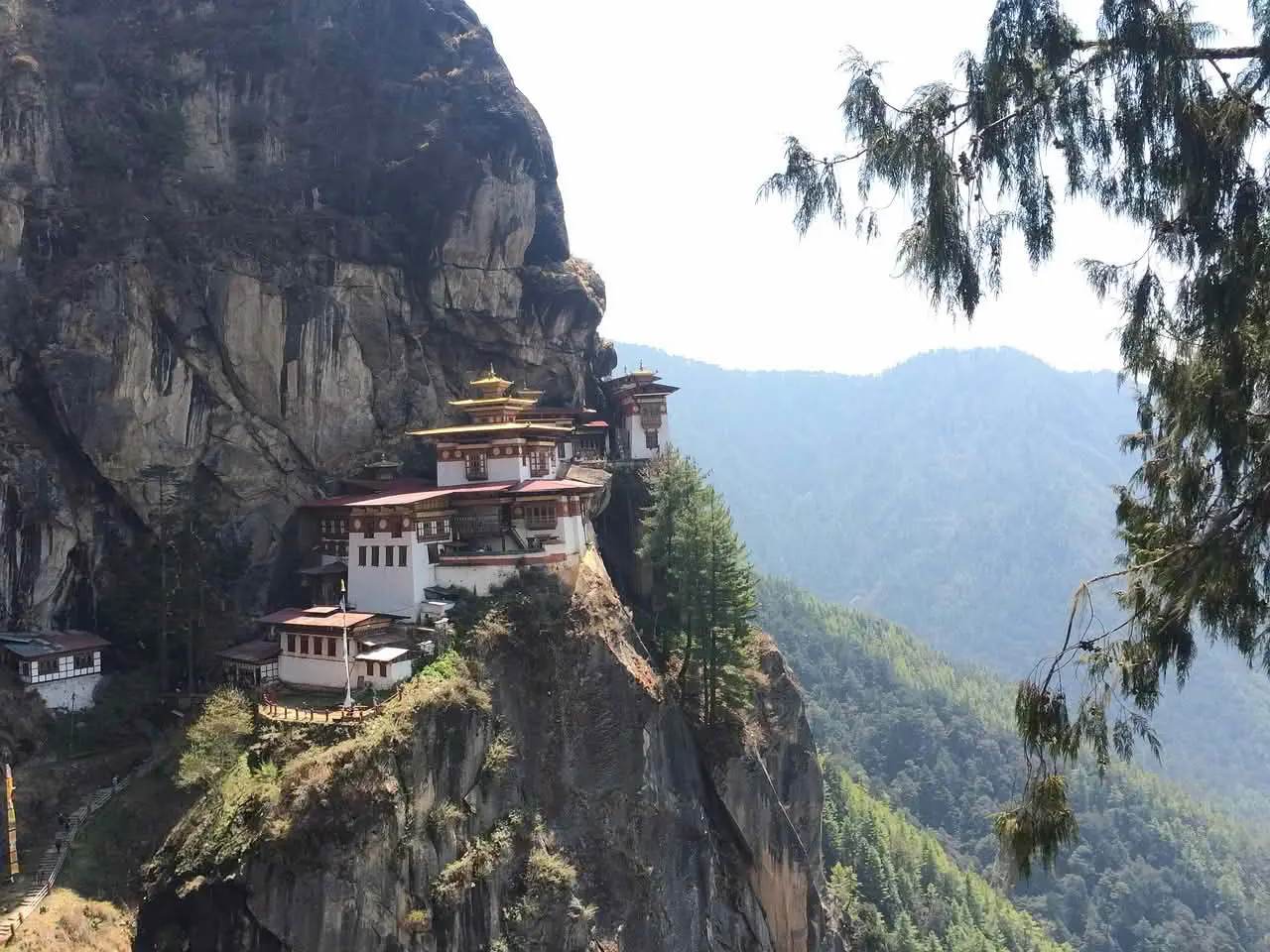
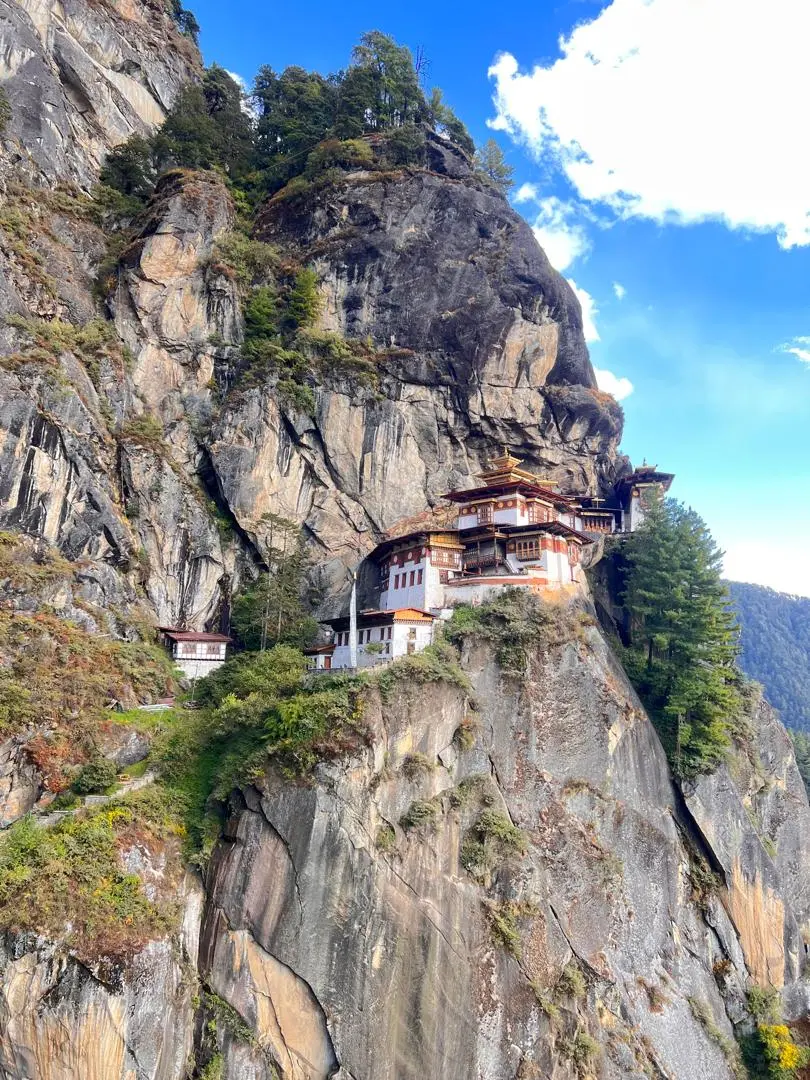
- Day three begins with iconic hike to Bhutan’s iconic landmark Taktsang Monastery, or Tiger's Nest, where you'll be rewarded with breathtaking views of Paro Valley and the profound spiritual atmosphere of one of Bhutan’s holiest pilgrimage sites.
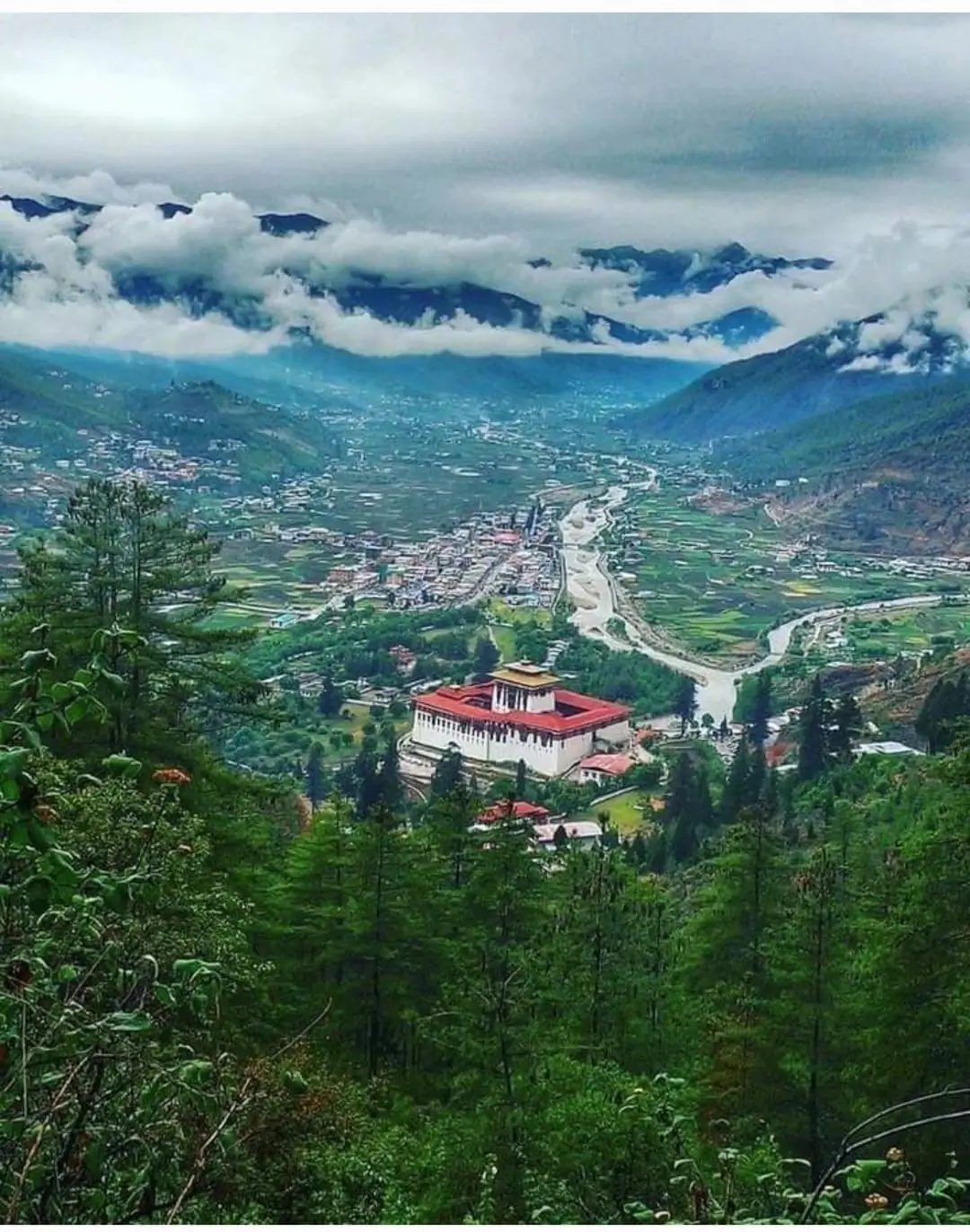
Paro Valley, located in western Bhutan, is a stunning and historically rich region known for its lush landscapes, traditional farmhouses, and cultural significance. It is home to Paro Town and several sacred sites, including Paro Taktsang (Tiger’s Nest Monastery), Rinpung Dzong, and Kyichu Lhakhang, one of Bhutan’s oldest temples. The valley also hosts the country’s only international airport, making it a vital gateway to Bhutan. With its blend of natural beauty, heritage, and spiritual atmosphere, Paro Valley offers a unique insight into Bhutanese culture and tradition.
Paro Taktsang, also known as the Tiger’s Nest Monastery, is one of Bhutan’s most iconic and sacred sites. Perched on a sheer cliffside at about 3,120 metres above sea level in the Paro Valley, the monastery was built in 1692 around the cave where Guru Padmasambhava—also known as Guru Rinpoche, the founder of Tibetan Buddhism—allegedly meditated in the 8th century. According to legend, Guru Rinpoche flew to the site on the back of a tigress, a manifestation of his consort Yeshe Tsogyal, to subdue a local demon. He then meditated in the cave for three months, sanctifying the location. The monastery complex was constructed centuries later by Gyalse Tenzin Rabgye, the then ruler of Bhutan, to commemorate Guru Rinpoche's visit. The monastery suffered significant damage due to a fire in 1998 but was meticulously restored using traditional Bhutanese methods. Today, Paro Taktsang remains an active place of worship and pilgrimage, as well as a symbol of Bhutanese cultural and spiritual heritage. Its dramatic location and profound religious significance make it a key destination for both devotees and visitors alike.
- After descending from the hike, visit Kyichu Lhakhang, oldest temple in Bhutan.
Paro Kyichu Lhakhang is one of Bhutan's oldest and most sacred temples, located in the Paro Valley. Believed to have been built in the 7th century by Tibetan King Songtsen Gampo to subdue a demoness hindering the spread of Buddhism, it holds great historical and spiritual significance. The temple has been expanded over time and houses important relics and statues, including a revered image of Jowo Jampa (Maitreya Buddha). It remains a peaceful site for pilgrimage and worship, reflecting Bhutan's rich Buddhist heritage.
- In the evening, continue your journey by exploring the charming town of Paro, where you can shop for Bhutanese handicrafts, textiles, and souvenirs.
- To conclude your day, you may opt for a traditional Bhutanese hot stone bath, offering relaxation and therapeutic benefits in a tranquil setting.