

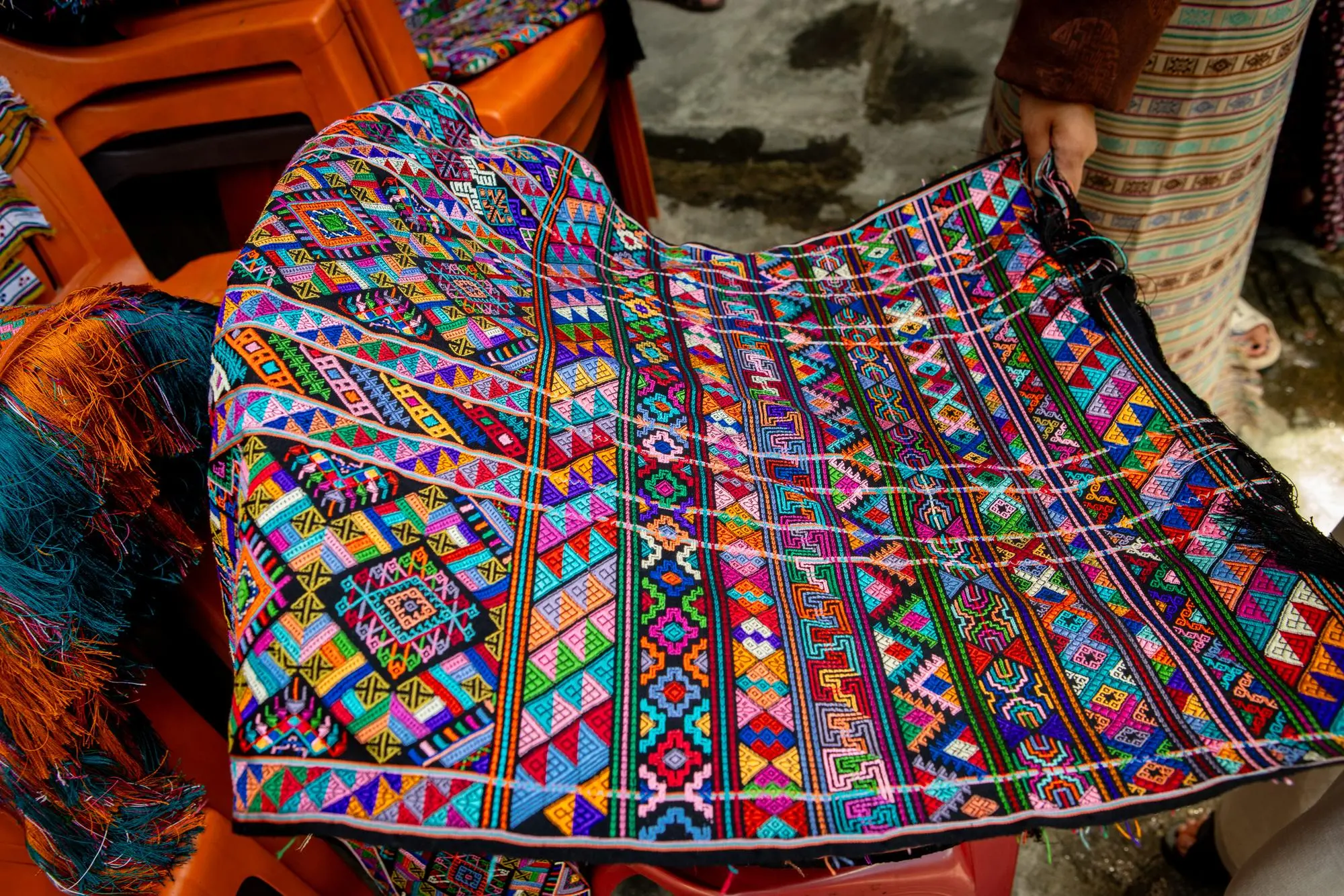
Bhutan is a land of vibrant culture, breathtaking landscapes, and deeply rooted traditions, and among its most treasured legacies is its rich and diverse textile heritage. Weaving is more than just a craft in Bhutan; it is an art form passed down through generations, a skill predominantly mastered by women. Weaving is not just an essential part of Bhutanese culture but also one of the thirteen traditional arts and crafts of Bhutan, known as ‘Zorig Chusum.’ From the northern highlands to the lush valleys of the south, weaving techniques, patterns, and materials vary, reflecting the unique identity of each region.
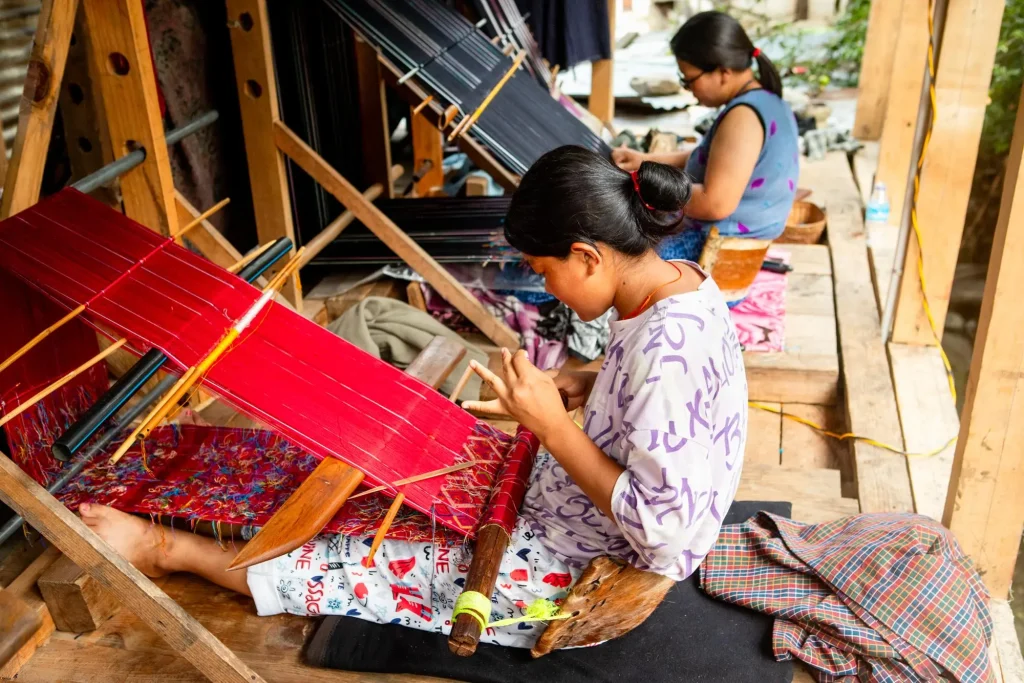
Traditionally, young girls learned the delicate art of weaving from their mothers and grandmothers, ensuring that knowledge and skills were preserved within families and communities. The materials used for weaving were sourced from nature—yak wool and sheep’s wool dominated the colder northern and central regions, while cotton, nettle, hemp, and silk were commonly used in the eastern and southern areas. The use of natural dyes gave Bhutanese textiles their characteristic vibrant hues, though synthetic dyes have become more common in modern times.
Traditional Dyeing Techniques in Bhutan
Historically, Bhutanese weavers utilized natural dyes extracted from plants, minerals, and insects to infuse vibrant colors into their textiles. Common sources included madder root for reds, walnut hulls for browns, and indigo plants for blues. These natural dyes not only provided a spectrum of hues but also ensured the longevity and authenticity of the fabrics.
The dyeing process was intricate, requiring knowledge of local flora and meticulous preparation to achieve the desired shades. While synthetic dyes have become more prevalent in recent times, efforts are ongoing to preserve and revive these traditional dyeing methods, reflecting Bhutan’s commitment to its cultural heritage.
Khoma Village: The Kushuthara Tradition
Bhutan’s weaving tradition remains steadfast, particularly in places like Khoma village in Lhuntse. Known as the heartland of Bhutanese weaving, Khoma is home to artisans who continue to create intricate textiles using time-honored techniques. The skill, dedication, and creativity of Bhutanese weavers have kept this heritage alive, ensuring that the brilliance of Bhutanese textiles is not lost to time.
Situated in the Lhuntse district, Khoma village stands as a testament to Bhutan’s enduring textile traditions. Renowned for weaving the exquisite kushuthara, an intricately patterned silk textile, the village has become synonymous with this art form. The origins of the kushuthara trace back several centuries, with its designs evolving over time while retaining their traditional essence. Women in Khoma typically begin learning to weave at a young age, ensuring the transmission of skills across generations. The weaving process is labor-intensive, often taking months to complete a single piece, depending on the complexity of the patterns. This dedication not only provides a source of income but also reinforces community bonds and cultural identity.
Preserving Tradition Amidst Modernization
Despite the rapid transformations in the global landscape, Khoma village remains steadfast in its commitment to textile artistry. Weaving continues to be a communal activity, with women gathering in groups to work on their looms, often setting up in open fields during the winter months. This practice fosters a sense of community and ensures that traditional methods are preserved. The village’s dedication has also attracted domestic and international tourists, drawn to Khoma’s rich cultural tapestry and the opportunity to witness artisans at work. This influx has provided additional economic support, encouraging the younger generation to embrace and continue their ancestral crafts.
Bhutanese weaving is a beautiful testament to the country’s cultural richness and creativity. The intricate patterns and techniques showcase the skill and dedication of the artisans. It’s inspiring to see how this tradition has been preserved and passed down through generations. The use of natural dyes adds a unique authenticity to the textiles. What steps are being taken to ensure that younger generations continue to embrace and sustain this valuable heritage?
Thank you so much for your thoughtful comment! Bhutanese weaving is indeed a powerful reflection of our cultural heritage, and it’s heartening to see your appreciation for the artistry and tradition behind it. To ensure that younger generations continue to embrace and sustain this legacy, institutions like the Royal Textile Academy (RTA) and the Institute of Zorig Chusum (IZC) are playing a vital role. The RTA, established under the patronage of Her Majesty Queen Mother Sangay Choden Wangchuck, is actively involved in preserving and promoting Bhutanese textiles through educational programs, weaving workshops, and youth engagement initiatives that blend tradition with creativity. Similarly, the IZC, which has been nurturing Bhutan’s traditional arts since 1971, offers long-term training in the thirteen traditional arts and crafts, including textile weaving. By equipping young Bhutanese with both technical skills and cultural appreciation, these institutions are ensuring that this beautiful heritage continues to thrive in a modern context.