

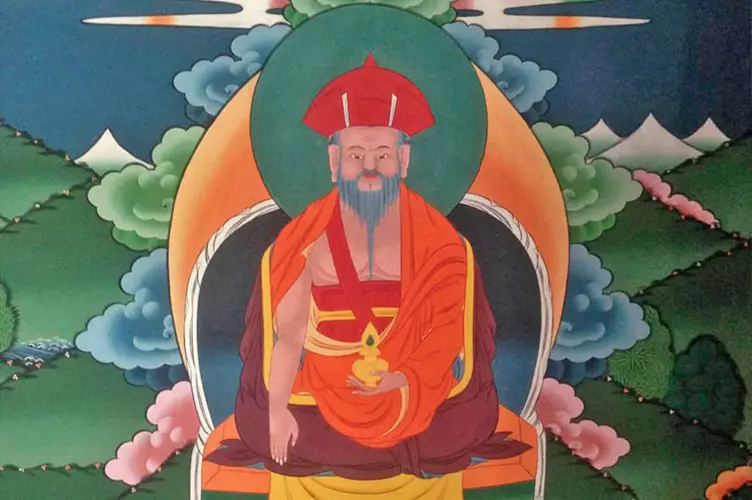
Zhabdrung Ngawang Namgyal (1594–1651) is one of the most revered and influential figures in Bhutanese history. A high lama of the Drukpa Kagyu school of Tibetan Buddhism, he is best known for unifying the many warring regions of Bhutan into a single nation-state in the 17th century. His visionary leadership, religious authority, and strategic use of architecture and governance systems played a vital role in shaping Bhutan as a distinct, sovereign, and culturally cohesive nation.
Early Life and Arrival in Bhutan
Zhabdrung Rinpoche was born in Tibet and recognized as the reincarnation of the revered Drukpa master Kunkhyen Pema Karpo. However, due to political and sectarian rivalry in Tibet, particularly over the recognition of this reincarnation, Zhabdrung faced opposition from the powerful Tsangpa rulers. To escape these conflicts and fulfill his spiritual mission, he left Tibet and arrived in western Bhutan in 1616.
At that time, Bhutan was fragmented into various valleys controlled by feudal lords and competing Buddhist sects. There was no central authority, and internal conflicts were common. Zhabdrung’s arrival marked a turning point in the country’s history, as he gradually gained followers and established a strong political and religious base.
Unification and Nation Building
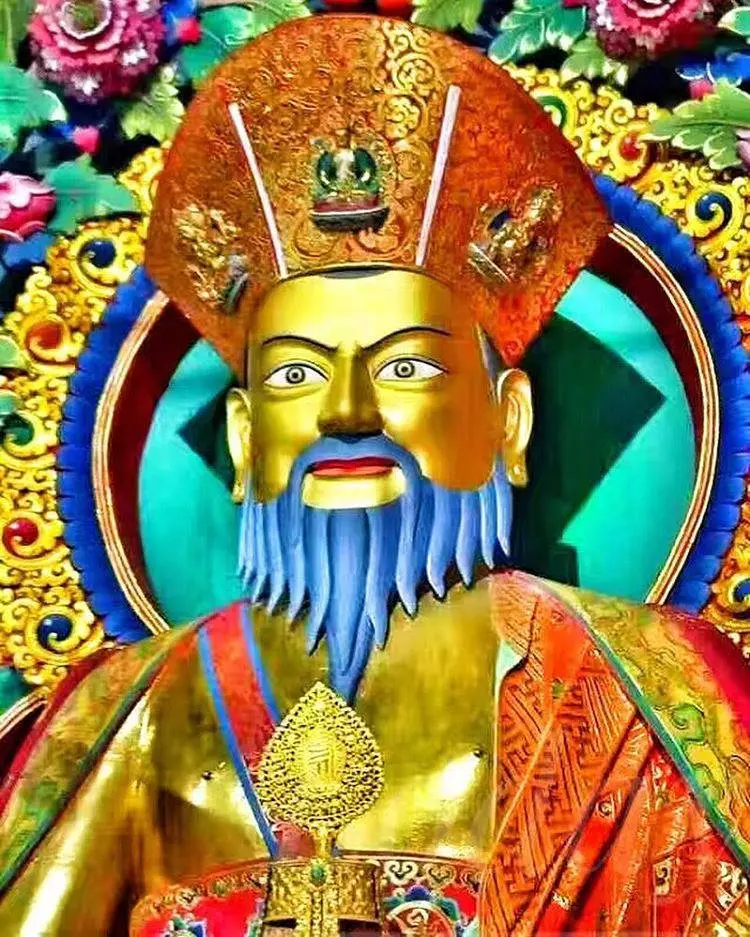
One of Zhabdrung’s most significant contributions was the unification of Bhutan under a single spiritual and political leadership. He achieved this through both diplomacy and military might, subduing rival factions and establishing the dominance of the Drukpa Kagyu school. He introduced a dual system of governance known as the Chhoe-sid nyi, which balanced secular and religious powers. Under this system, the Je Khenpo (Chief Abbot) was responsible for religious affairs, while the Druk Desi (secular ruler) managed political administration. This unique governance model helped stabilize the country and ensured harmony between spiritual and temporal powers.
Zhabdrung also codified laws and introduced administrative reforms that standardized governance across the country. These initiatives fostered unity, order, and a shared national identity. By bringing diverse regions and communities under a central authority, Zhabdrung effectively laid the foundation for modern Bhutan.
Construction of Dzongs
Zhabdrung Rinpoche is also remembered for his strategic and symbolic use of architecture, particularly the construction of dzongs—massive fortress-monasteries that served as centers of religion, administration, and defense. Dzongs became a defining feature of Bhutanese landscape and governance.
The most notable among these is Punakha Dzong, constructed in 1637 at the confluence of the Pho Chhu and Mo Chhu rivers. It became the administrative center and the winter residence of the Central Monastic Body. The dzong also served as a symbol of Bhutanese unity and independence. Zhabdrung personally supervised its construction and used it as a stronghold to repel invasions from Tibet.
Other important dzongs constructed during his time include Simtokha Dzong (built in 1629), which was the first dzong to integrate both administrative and religious functions, and Wangdue Phodrang Dzong, constructed in 1638 to consolidate control over central Bhutan. These dzongs were strategically located to control key trade routes and valleys, serving both defensive and administrative purposes.
Dzongs were not just military fortresses—they were also spiritual centers housing monks, temples, and sacred relics. The architecture itself symbolized Buddhist cosmology and reinforced the Drukpa Kagyu ideology that Zhabdrung sought to promote. These dzongs played a vital role in spreading Buddhist teachings, consolidating political control, and fostering a sense of national unity.
Cultural and Religious Contributions
In addition to political and architectural achievements, Zhabdrung made immense contributions to Bhutanese culture and religion. He established the Drukpa Kagyu school as the state religion, which helped distinguish Bhutan’s spiritual identity from its neighbors, especially Tibet.
He also introduced the Tsechu festivals, public religious festivals celebrated with mask dances (Cham) and rituals, which promoted Buddhist teachings while also serving as social events that brought people together. These festivals continue to be celebrated across Bhutan today and are an integral part of the country’s cultural heritage.
Furthermore, Zhabdrung emphasized the preservation of Bhutanese customs, language (Dzongkha), and traditions. His vision ensured that Bhutan developed as a culturally distinct nation, with a strong spiritual foundation and cohesive national identity.
Legacy
Zhabdrung Ngawang Namgyal passed away in 1651, but his death was kept secret for over 50 years to prevent political instability. His legacy, however, continues to influence Bhutan to this day. He is honored as the founding father of the Bhutanese nation, and his contributions to governance, architecture, religion, and cultural identity are deeply embedded in Bhutanese society. His portrait is displayed in most religious and government offices, and his teachings remain central to Bhutanese spiritual life.
Conclusion
Zhabdrung Rinpoche’s contribution to Bhutanese nation-building is unparalleled. Through unification of the country, introduction of a dual system of governance, promotion of a unique national identity, and construction of iconic dzongs, he laid the foundation for a stable and sovereign Bhutan. His legacy lives on not only in Bhutan’s political structure and religious traditions but also in the hearts and minds of its people, who regard him as the true architect of the Bhutanese nation.