

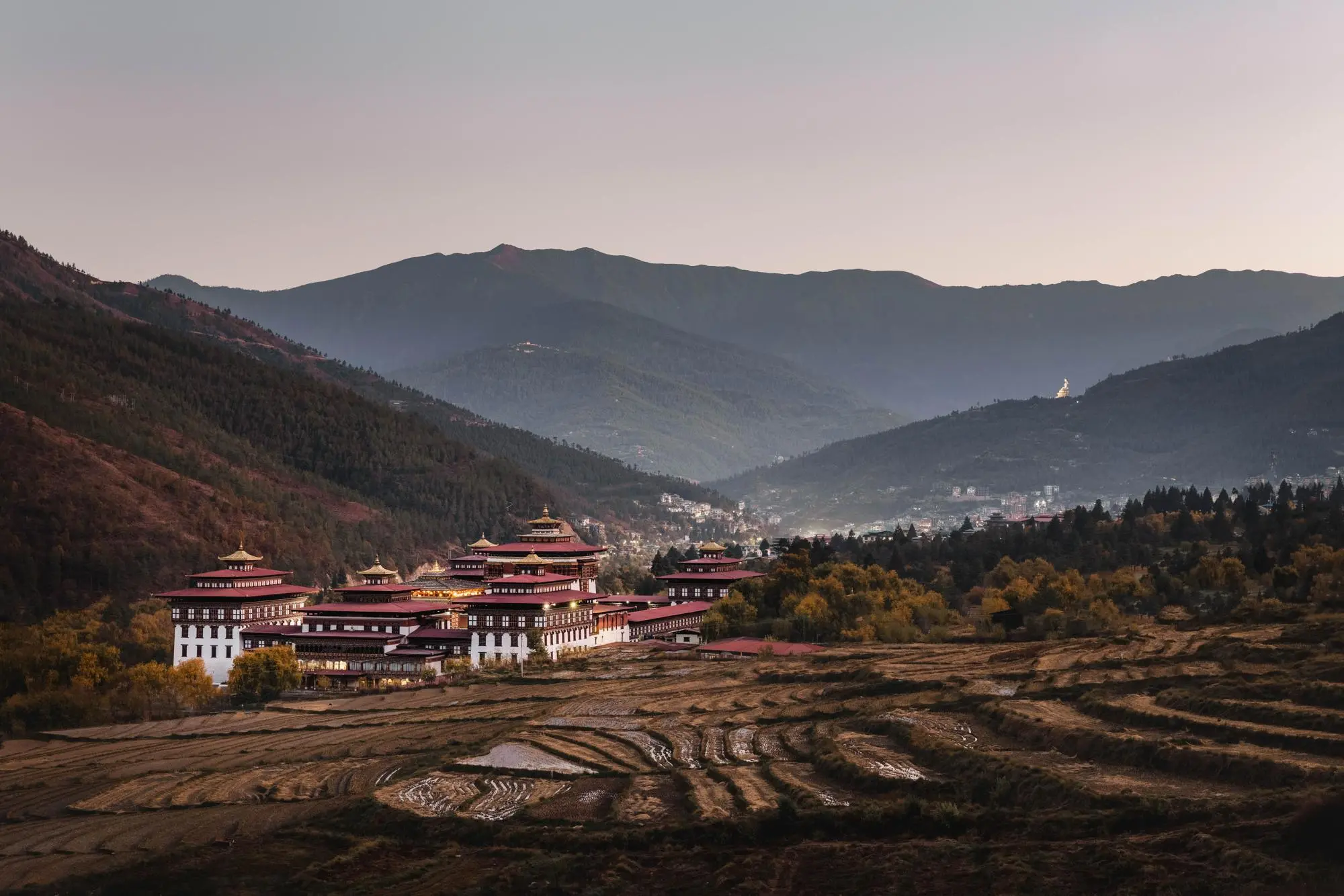
In the Eastern Himalayas between China and India, Bhutan is one of the world’s most serene and exclusive travel destinations. It beautifully blends rich traditions with modern progress, carefully preserving its cultural heritage while gently embracing the benefits of modern technological advancement and infrastructure development. If you’re curious to discover how Bhutan has embraced this delicate balance, the Land of the Thunder Dragon is calling you and here are 15 gentle insights from a local that will help guide your journey seamlessly.
- Respect for Culture is Essential
In Bhutan, culture is not just a set of practices, it’s a way of life that reflects harmony, reverence, and deep spiritual connection. While every traveller is expected to dress modestly, remove their shoes before entering temples, and ask permission before taking photos, true cultural respect goes far beyond these actions. Bhutan’s culture values coexistence, interdependence, and impermanence, with a deep spiritual connection to nature and the belief that every life is meaningful. When engaging with locals, whether in a village, a monastery, or a meal shared with a family, approach with humility and compassion. Immerse yourself not just as a visitor, but as a student of one of the world’s most spiritually aware societies.
- Mindful Photography
Photography in Bhutan is a beautiful way to remember the country’s breathtaking landscapes and rich cultural traditions, but it also calls for mindfulness and respect. Many Bhutanese moments, like a monk in quiet prayer, a family lighting butter lamps, or the serene atmosphere inside a temple, are deeply personal and spiritual. Before taking photos of people, especially monks, children, or elders, it’s always kind to ask for permission with a smile; most will appreciate the courtesy. In sacred places such as temples and dzongs, photography may be limited or not allowed at all, not to exclude visitors, but to preserve the sanctity and peacefulness of these spaces. Even when taking photos is welcome, being discreet, avoiding flash, keeping quiet, and not interrupting rituals shows deep respect for the moment. In Bhutan, a photo becomes more than just an image, it becomes a shared moment of connection, appreciation, and understanding. When taken with heart and humility, your photographs will reflect not only what you saw, but how warmly you were welcomed.
- Bhutan adopts Sustainable Tourism
Bhutan protects its natural beauty and culture through a ‘High Value, Low Volume’ tourism model. This approach attracts travellers seeking meaningful experiences and authentic cultural immersion, all while protecting the environment. Bhutan charges a Sustainable Development Fee (currently USD 100 per person per night, valid until August 2027) to help maintain this model. Children aged 6-11 enjoy a 50% discount, and those under 6 visit free of charge. There is also a modest visa fee of USD40 per person.
- Don’t Miss the Festivals
Attending a Tshechu, Bhutan’s vibrant religious festival, is one of the most unforgettable ways to experience the country. These festivals, filled with masked dances, music, and sacred rituals, bring communities together to share joy and blessings. Unlike staged tourist attractions, Tshechu is an authentic experience where locals and visitors become part of something transcendent.
Among the most famous is the Paro Tshechu, held in March or April, where thousands of people gather to witness the unveiling of the giant sacred scroll, the Thongdrel, believed to cleanse all sins. In September, the Thimphu Tshechu provides a spectacular display at the capital city’s Tashichho Dzong, making it a perfect choice for first-time visitors. In February or early March, the Punakha Drubchen and Tshechu are known for dramatic re-enactments of historic battles at the majestic Punakha Dzong. For a deeper spiritual experience, head to Bumthang in October or November for the Jambay Lhakhang Drup, where fire rituals and midnight dances create a mystical atmosphere.
Most regions in Bhutan host one or two Tshechus during the spring or autumn months. If you want to immerse yourself in Bhutanese culture, timing your visit to coincide with one of these festivals will offer an experience you won’t want to miss.
- Bhutan is a Trekker’s Paradise
Bhutan offers a wide range of trekking experiences, from iconic short hikes like the Tiger’s Nest Monastery to challenging multi-day adventures such as the Jomolhari Trek. Whether you’re a beginner or an experienced trekker, there’s a trail suited to your level. However, factors like altitude, unpredictable weather, and physical preparation play a crucial role in your trekking experience, so it’s important to consult your tour operator to choose a route that matches your fitness and expectations.
While basic trekking gear is available for rent in Bhutan, it’s best to bring your essential equipment for comfort and reliability. Pack hiking boots, weatherproof clothing, and a reliable backpack. These personal items will significantly enhance your trekking experience and allow you to enjoy Bhutan’s magnificent mountain trails without discomfort or equipment concerns.
- The Altitude Can Surprise You
Bhutan’s stunning landscapes have high altitudes, with towns like Paro and Thimphu situated over 2,200 meters above sea level. If your journey takes you to even higher regions such as Bumthang or Laya, give your body time to acclimatise properly. Altitude-related symptoms like headaches, dizziness, and breathlessness are common during the first few days, especially if you’re not used to high elevations. Staying hydrated, resting well, and ascending gradually can help minimise discomfort and allow you to enjoy Bhutan’s breathtaking mountain scenery.
- Expect a Digital Detox
Internet access is available in most towns and hotels across Bhutan, but connectivity can be unreliable, especially in remote or rural areas. Rather than viewing this as a limitation, embrace it as an opportunity to disconnect from devices and immerse yourself in the natural beauty and peaceful rhythm of Bhutanese life.
To stay prepared, download offline maps, language tools, and essential travel apps before arriving. This allows you to navigate and enjoy your journey without depending on a constant connection.
For mobile data needs, local SIM cards are available for purchase at Paro Airport and in major towns. Various data plans are offered, though be aware that mobile service may be intermittent in more remote regions of the country.
- Bhutanese Cuisine is Unique (and not necessarily Spicy!)
Bhutanese cuisine is flavorful, hearty, and deeply rooted in tradition. While you may have heard of Ema Datshi, the national dish made with chillies and cheese that’s beloved across the country, Bhutanese food offers much more diversity.
Regional specialties abound throughout the kingdom: Hentey (buckwheat dumplings) from Haa, Khuley (buckwheat pancakes) and Puta (noodles) from Bumthang, Kharang and Bokpi from the east, and Seltori from the south. Each region contributes its unique flavours and culinary heritage to Bhutan’s food culture.
Although Bhutanese people are known for their love of spice (chillies are considered a vegetable here!), the cuisine also includes milder options like Datsi Ngo-Ngo, a comforting dish of fried cheese and egg in butter. A typical Bhutanese meal features nutty red rice, seasonal vegetables, and various meats such as chicken, beef, or pork.
Vegetarians and those with dietary restrictions can enjoy Bhutanese cuisine as well. Simply inform your tour operator or guide in advance, and they’ll ensure your meals are both delicious and culturally authentic, with spice levels adjusted to your preference.
- A Travel Agent is the Way to Go
Though independent travel is possible, working with a local expert enhances your Bhutan experience. They offer more than just logistics, they provide cultural insight, local wisdom, and meaningful connections that go far beyond guidebooks or Google. We have a separate in-depth blog on this topic. Kindly read more at https://ombatravel.com/planning-an-independent-trip-to-bhutan.
- Expect a Slow-Paced Life
The pace of life in Bhutan is slow and deliberate. Time is valued for mindfulness, and visitors may find themselves adjusting to a more relaxed schedule. Meals are leisurely, appointments may start later than planned, and transportation can take longer due to winding mountain roads. This slower tempo, grounded in Buddhist values and the philosophy of Gross National Happiness, offers space for reflection, unexpected encounters, and spontaneous connections with locals.
- Currency and Payments: Cash is the King
Upon arrival in Bhutan, exchange your foreign currency for Bhutanese Ngultrum (Nu), the local currency. While Indian Rupees are widely accepted, cash remains the most reliable payment method. Credit cards are accepted in some places, but often come with additional fees and aren’t always accepted in smaller towns. ATMS are available in major towns but can be unreliable, so it’s best to carry sufficient cash.
- Bhutan Travel Logistics
Bhutan is now more accessible with direct flights to Paro International Airport from several regional hubs. Drukair and Bhutan Airlines operate flights connecting Bhutan to India, Thailand, Singapore, Nepal, Bangladesh, UAE, Malaysia, Vietnam, and Hong Kong. Visitors can also enter Bhutan overland through Phuentsholing, Gelephu (Indian visitors), and Samdrup Jongkhar, making travel flexible and convenient for those coming from neighbouring regions. Inside Bhutan, private cars with drivers are the most common mode of transport, though bicycles and trekking are also popular.
- Bhutan is an exceptionally safe Destination
Bhutan is one of the safest travel destinations in the world, with low crime rates and a culture grounded in compassion and non-violence. Visitors can explore confidently, even in urban centers like Thimphu, where the warmth and helpfulness of locals further enhance the sense of safety.
- Bhutan is the World’s First Carbon-Negative Country
Bhutan is a pioneer in environmental stewardship, being the world’s first carbon-negative country. This means Bhutan absorbs more carbon dioxide than it produces, thanks to strict environmental policies, renewable energy generation, and forest preservation. The country’s commitment to sustainability reflects its Buddhist values and contributes positively to global climate efforts.
- Practical Tips for Travellers
Bhutan’s rich linguistic diversity reflects its deep cultural heritage. While Dzongkha is the national language, English is widely spoken, particularly in urban areas, schools, and the tourism sector, making communication easy for most travellers. Many Bhutanese people also understand Hindi due to cultural ties with India, and Tibetan holds religious significance. Learning a few simple Dzongkha phrases, like “Kuzuzangpo La” (hello) and “Kadrinche La” (thank you), can leave a positive impression and foster a warmer connection with locals. Even a small effort to greet or thank someone in their language is greatly appreciated and reflects respect for the country’s traditions.
When you prepare for your journey, packing thoughtfully can make a significant difference. Bhutan’s weather varies greatly with altitude and season, so layered clothing is essential, lightweight shirts for daytime and warm jackets for chilly mornings and evenings. Comfortable walking shoes are a must for exploring dzongs, temples, and mountain trails. Other useful items include a hat, sunglasses, sunscreen, a reusable water bottle, and a small first-aid kit with any personal medications you might need, as pharmacies in Bhutan may not carry familiar brands. Modest attire covering shoulders and knees is required when visiting religious sites. Don’t forget travel essentials like your passport, visa approval letter, insurance documents, and copies of important paperwork. Packing with both comfort and cultural respect in mind ensures a smooth and enriching travel experience.
Conclusion
A visit to Bhutan offers a rare chance to explore a country that has preserved its cultural heritage while carefully embracing modernisation. Bhutan’s sustainable tourism model ensures that travellers experience the authentic Bhutan while contributing to the nation’s development. With its rich culture, stunning landscapes, and peaceful way of life, Bhutan provides a truly transformative travel experience. In Bhutan, progress is measured not just by what is built, but by what is preserved. It is this quiet wisdom that stays with visitors long after they have left.