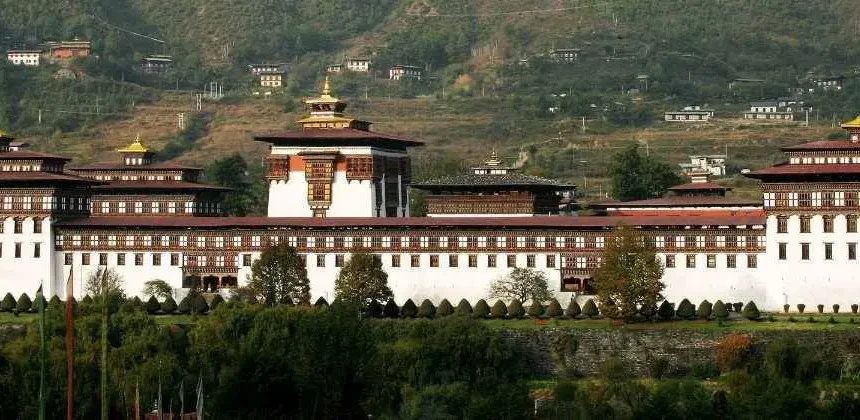
A Month-by-Month Breakdown by Local Experts at Omba Travel
Are you planning a trip to Bhutan? One of the most common questions travellers ask is, “When is the best time to visit Bhutan?”
The answer is both simple and nuanced: Bhutan is a year-round destination. But depending on what kind of traveller you are, adventure-seeker, spiritual pilgrim, cultural enthusiast, or someone simply looking to connect with nature, certain months may suit you better than others.
At Omba Travel, we are based in Bhutan and live through its changing seasons every year. Here’s our local expert guide, month-by-month, to help you discover what each season offers, festival highlights, trekking conditions, weather tips, and the kinds of travellers each season is perfect for.
January: Winter Serenity and Snowy Peaks
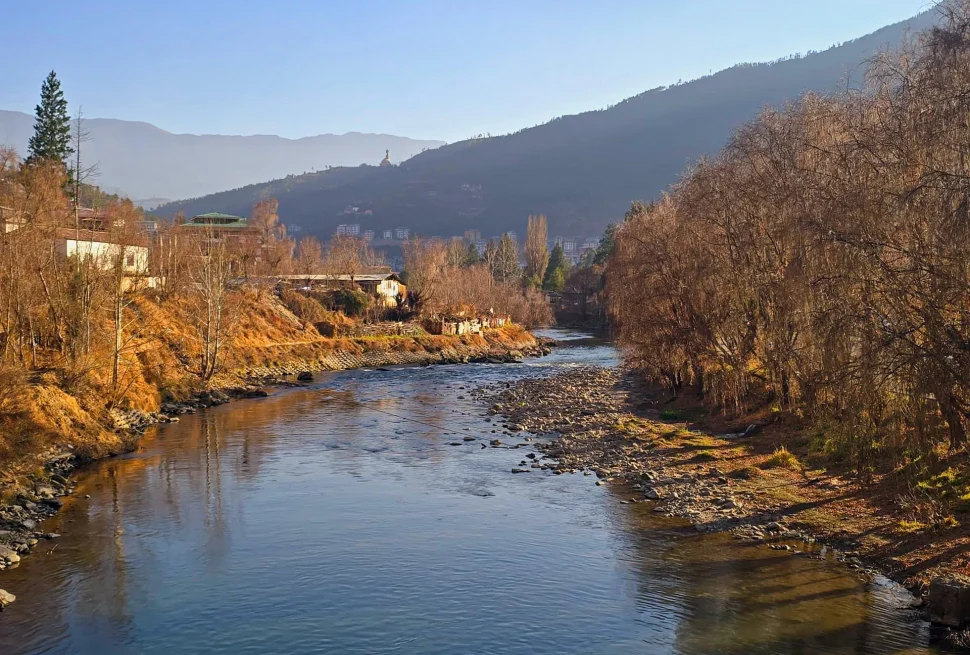
If you love peace and wide-open skies, January might be your perfect match. It’s cold, especially in Paro, Thimphu, and Bumthang, where the temperatures can dip below freezing at night. But in exchange, you get pristine mountain views and a quiet, almost spiritual stillness across the valleys. With fewer travellers around, it feels like Bhutan is yours alone. Nyilo, a New Year celebration in central Bhutan, brings warmth and tradition to this quiet season.
February: Off-Peak Bliss and Cultural Touches
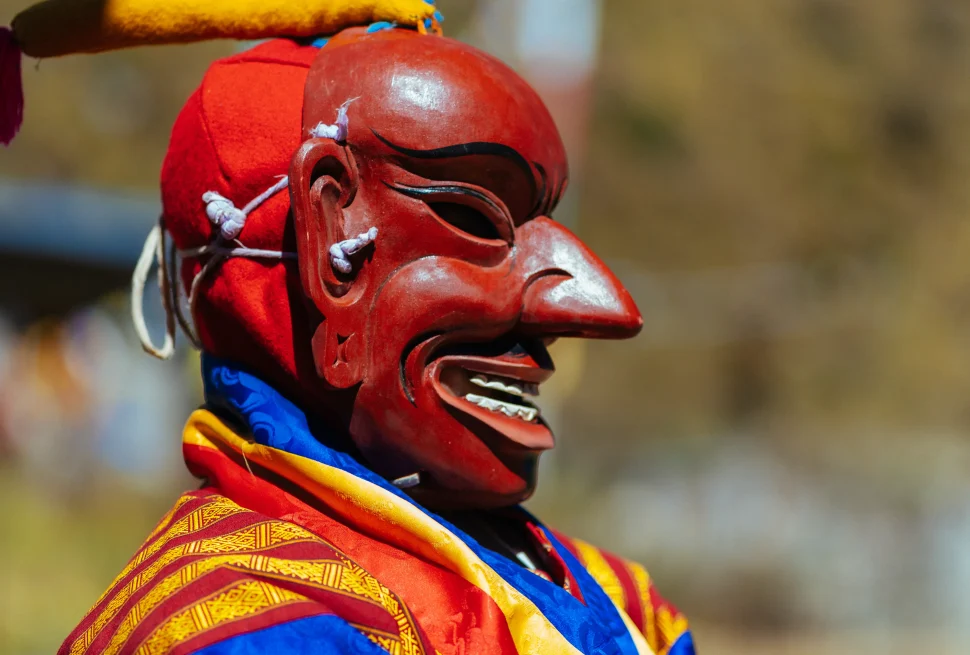
February is a bit of a secret and a lovely one. The chill lingers, but the sun shines brighter and the days grow longer. If you are the kind of traveller who seeks authenticity over crowds, this is a wonderful time to visit. The majestic Punakha Dzong hosts the vibrant Punakha Dromche, where local families gather to celebrate with masked dances. You’ll feel like more than just a visitor you will feel like a welcomed guest.
March: Spring Awakens
March carries the first scent of spring. Rhododendrons begin to blush across the hillsides, and Bhutan slowly wakes from its winter sleep. It’s an exciting time, the trails open up, the air is fresh, and Paro comes alive with its famous Tshechu festival. If you love colour, movement, and culture coming together in celebration, March will sweep you off your feet.
April: Peak of Spring and Culture
April in Bhutan is pure joy. The valleys are painted in blossoms, the skies are high and blue, and everywhere you turn feels like a photograph waiting to happen. Whether you are joining locals for the Domkhar Tshechu in Bumthang or catching rhododendrons in bloom at the Lamperi festival, April offers a rich blend of natural and cultural experiences. It’s a favourite among families, first-time visitors, and anyone wanting to experience Bhutan in full colour.
May: Calm Before the Monsoon
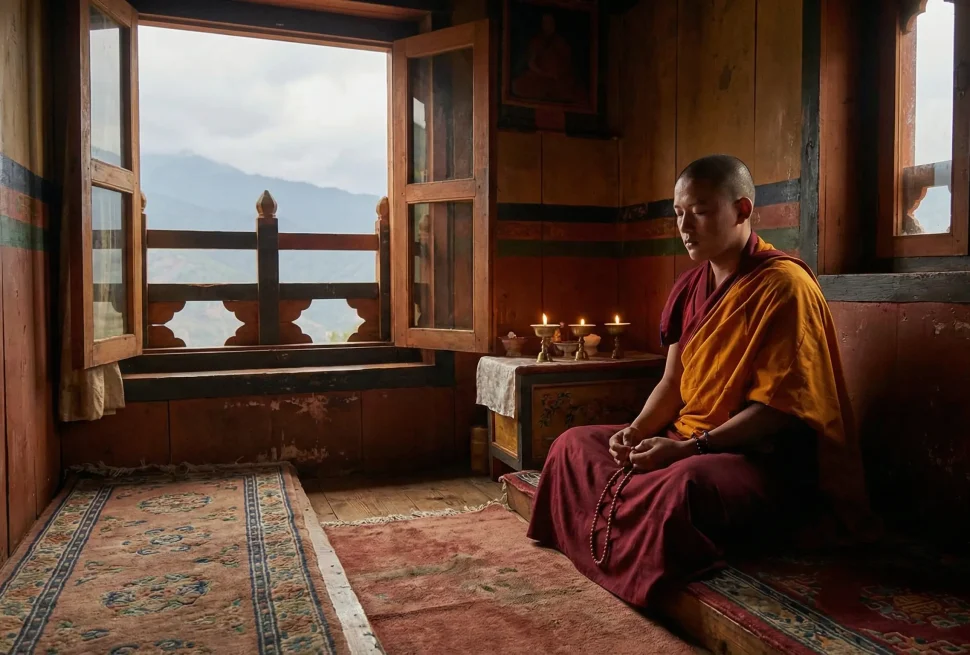
May feels relaxed and reflective. It’s warm and gentle, with fewer crowds and a slower pace. This is a lovely time to connect with Bhutan on a deeper level to stay in a village home, try your hand at rice planting, or sit quietly in a monastery courtyard. The Ura Yakchoe festival adds a touch of drama to the month with its sacred relic display and masked dances.
June: Beginning of the Green Season
June is when Bhutan begins to turn green again. Rain usually falls in the evenings, and the days still offer plenty of bright moments. The hills become alive with growth, and rice paddies shimmer with new life. This is a soulful, spacious time, ideal if you’re seeking peace, inspiration, or a break from the ordinary. Festivals like Nimalung and Kurjey Tshechu keep the spiritual heartbeat alive in the central valleys.
July: Misty Mountains and Soulful Travel
There’s something beautifully introspective about July in Bhutan. The mist rolls through pine forests, raindrops glisten on wildflowers, and everything feels hushed and thoughtful. It’s a season for slowing down for journaling, reflecting, and being present. Ura’s mushroom festival brings a bit of joy and flavor to the season, with freshly foraged dishes and local storytelling.
August: Hidden Treasures and Village Life
In August, the rains ease a little and the greenery remains lush and glowing. This is the time to explore Bhutanese village life to help a farmer harvest mushrooms, share tea with a weaver, or follow a child’s laughter down a country path. The Matsutake mushroom festivals in Ura and Genekha are warm, earthy, and deliciously unique. August is for the curious traveller, the one who wants to connect, not just visit.
September: Clear Skies Return
There’s a freshness in the air in September, like the land itself is ready to celebrate again. The skies clear, the valleys are alive with harvest, and major festivals like the Thimphu Drubchen light up the capital. If you’ve been dreaming of hiking through mountain trails or dancing along with locals during Tshechu season, this is when it all begins again. Bhutan feels joyful, generous, and full of promise.
October: Bhutan in Full Bloom
Ask any Bhutanese guide their favourite month, and many will say October. It’s easy to see why. The weather is near perfect dry, sunny, and pleasantly cool. The landscape glows with autumn colour, and the festival calendar is rich with celebration. Jambay Lhakhang Drup, known for its sacred fire dance, is just one of many spectacular events. October feels like Bhutan is opening its arms wide and saying, “Welcome.”
November: Golden Valleys and Peaceful Beauty
As the season shifts, Bhutan turns golden. The rice fields are harvested, the forests glow with amber leaves, and the pace of life slows just a little. The Black-Necked Crane Festival in Phobjikha Valley is a graceful tribute to these sacred birds and the interconnectedness of nature and culture. November is for gentle souls for birdwatchers, writers, and those who find beauty in quiet corners.
December: Winter Magic Returns
There’s a softness to Bhutan in December the hush of snow on mountaintops, the warmth of butter tea shared around a bukhari stove, the rich scent of incense at a morning prayer. The crowds are gone, but the magic remains. Trongsa’s Tshechu brings the year to a close with blessings and colour. If you’re someone who loves quiet wonder, this is your season.
Summary: What’s the Best Month for You?
Choosing the best time to visit Bhutan depends on what kind of journey you are seeking. But if we had to offer a more critical comparison based on weather, accessibility, and cultural vibrancy, here’s our take:
Spring (March to May) is widely favoured for a reason. It strikes a balance between blooming nature and grand festivals. Rhododendrons light up the forests, skies are clear, and festivals like Paro Tshechu create unforgettable memories. If you are a first-timer or looking for that perfect Instagram-meets-inner-journey combination, spring delivers. The downside? It’s popular, so booking early is essential.
Autumn (September to November), particularly October, is another peak travel season and arguably the most photogenic. With crystal-clear skies and a festival calendar in full swing, Bhutan shines in its cultural and scenic glory. It’s the sweet spot for trekking and attending events like the Jambay Lhakhang Drup. However, it’s also the busiest time, and prices are higher.
Winter (December to February) appeals to introspective travellers. There are fewer tourists, snow-dusted valleys, and festivals like Punakha Dromche and Trongsa Tshechu that provide intimate cultural insights. It’s perfect for those seeking peace and authenticity but be ready for the cold, especially in higher altitudes.
Summer (June to August) is Bhutan’s greenest time ideal for photographers, spiritual seekers, and travellers on a budget. Yes, there’s rain, but it often arrives in the late afternoons. Misty landscapes, mushroom festivals, and serene temples offer their own quiet magic. Trekking might be limited, but the deeper connections to local life often shine brightest now.
Ultimately, there is no wrong time to visit Bhutan, only the best time for you. Whether you’re drawn to the colourful buzz of festivals or the quiet whisper of prayer flags in the mist, Bhutan offers her beauty in every season.
Every month in Bhutan has its personality. If it’s your first visit, spring (March–May) and autumn (September–October) offer the most balanced weather and events. Festival lovers will find their rhythm from March to November. Trekkers should look to the crisp, dry trails of April to May and September to November. And if you’re seeking spiritual space, solitude, or a more reflective journey, Bhutan’s quieter months, June through February, will welcome you with open arms.
Get Your Free Bhutan Travel Checklist
Still not sure when to visit or what to bring? We’ve put together a free Bhutan Travel Checklist just for you. It includes packing tips by season, festival highlights, and a few heartfelt insights from our own journeys.
And if you’d like a little help planning, we’re here for that too. Book a free 15-minute travel call with Omba Travel — we’d love to get to know you and craft a Bhutan experience that feels just right.
Because Bhutan isn’t just a place to visit — it’s a place to feel. Let’s help you feel it deeply.