- 3
- 2
- 1
- 2
- 16
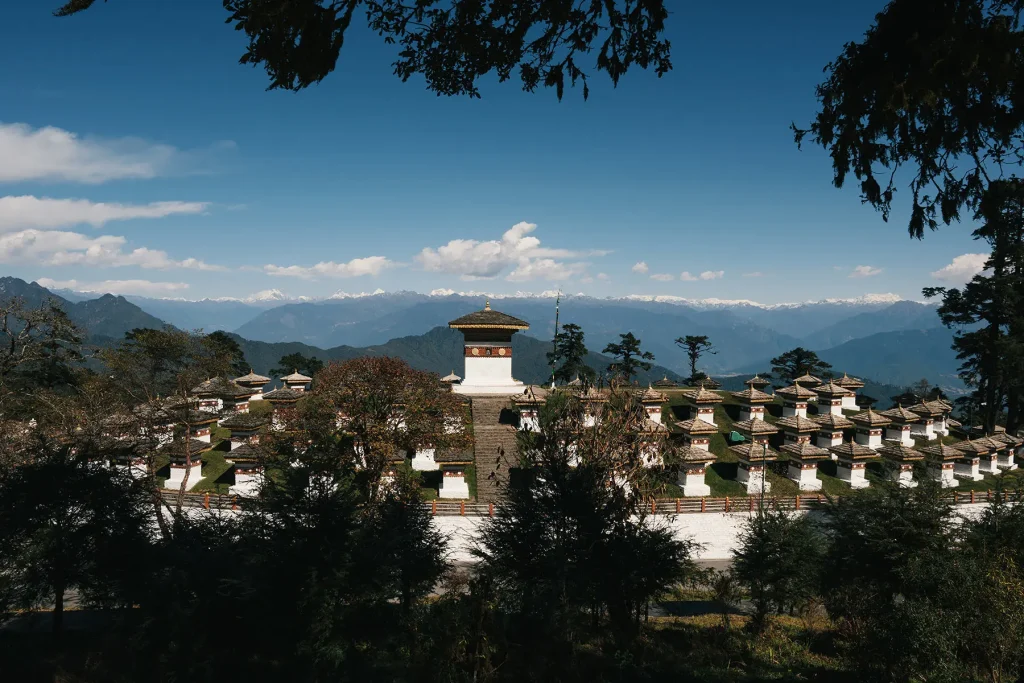
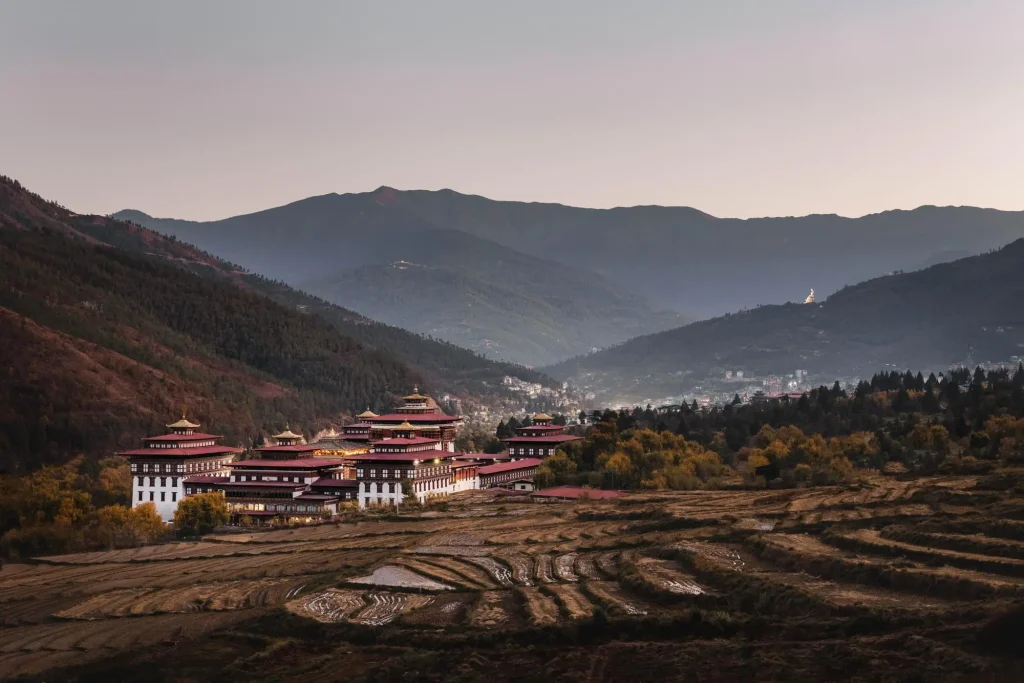
At 2,670 metres near the Tibetan border, Haa Valley remains untouched. This remote sanctuary in the western Himalayas is home to 13,849 people. Here, life still moves to old rhythms: harvest cycles, nomadic herding, and communal labour long left behind by cities.
Three peaks dominate: Meri Phuensum, Haa’s ‘Three Brothers.’ Locals see them as deities who bless crops and protect families. As legend and landscape, these snow-capped, cloud-wrapped mountains awe visitors in a valley opened in 2002.
Blue pine forests cloak hills. Rivers carve deep gorges. Spring blooms, autumn glows gold and red. This is pure Himalayan wilderness.
At Haa’s heart are two temples: Lhakhang Karpo (White) and Lhakhang Nagpo (Black). Legend says a Tibetan king built them where two pigeons landed. The temples balance light and shadow, blessing and protection.
With Omba as your Bhutan Travel Partner, gain unique guided early temple access, witness exclusive butter lamp lighting ceremonies, and join daily morning prayers at the temples, experiences made possible only through Omba’s deep local relationships and insider knowledge.
Haa is not a valley you visit; it is a valley you inhabit, if only briefly.
In Yangthang Village, farmhouses dot slopes. Families farm by the lunar calendar, read weather in birds and grass. Life follows seasons: autumn potatoes, summer dzos, winter smoke from chimneys. Omba curates three immersive experiences distinguished by authentic, personal connections: stays in ancestral homes, wood-fired meals from homegrown ingredients, and true cultural immersion. Only Omba’s relationships enable guests to learn farmer mantras, join dawn prayer wheels, and engage in traditions usually closed to outsiders, ensuring they are welcomed as part of Haa’s community.
Haa’s landscape invites exploration. The 11-kilometre Panorama Trail winds through woods to hilltop monasteries. The gentle hike demands attention; each turn reveals a shrine, prayer wheel, or view.
Juneydrak Hermitage clings to a cliff, sheltering meditating monks. Katsho Goemba crowns a peak, reached by rhododendron trails. These retreats value silence.
Hiking here is quiet, personal. No crowds or teahouses, only trails through raw landscape. Here, nature and the sacred blend.
High Season | Spring & Autumn)
Spring and autumn are the most rewarding times to visit the secluded Haa Valley, offering clear skies, gentle temperatures, and meaningful cultural encounters.
Spring (March–May)
As winter fades, rhododendrons bloom across the hillsides under clear blue skies. This season hosts the Haa Spring Festival, a celebration of nomadic traditions, ancient dances, and local customs, offering visitors a rare insight into Haa’s pastoral heritage.
Autumn (September–November)
Autumn bathes the valley in golden light, with crisp air and open skies revealing sweeping mountain views. In early November, the sacred Ap Chundu’s Lhapsoel festival brings communities together in ritual, devotion, and prayer, marking an important moment in Haa’s spiritual calendar.
Shoulder Season | Early Summer
June
June marks the gentle transition into the monsoon. The valley turns lush and vibrant, with fresh greenery, wildflowers, and flowing streams. Bright mornings and fewer visitors make this a peaceful time to experience Haa’s monasteries, villages, and quiet landscapes.
Summer Monsoon (July–August)
Monsoon rains transform Haa into a verdant sanctuary. While afternoon showers are common, the rewards include dramatic scenery, cascading waterfalls, and a sense of solitude rarely found during peak travel months.
Winter (December–February)
Winter settles over Haa with snow-dusted peaks, crisp air, and a deep stillness. In late December, the valley celebrates Lomba, the local New Year harvest festival. Families gather for rituals, shared meals, and traditional feasts, offering travellers a rare glimpse into one of Haa’s most intimate and cherished traditions.
With Omba Bhutan, join exclusive Hoentoe dumpling cooking sessions with local grandmothers, arranged through Omba’s long-standing relationships. Only Omba provides access to closely guarded family recipes and a hands-on experience of authentic Bhutanese culinary traditions, guided by trusted local experts unavailable through other providers.
Haa is not on most itineraries. Experiencing its depth requires Omba’s insider knowledge and local roots. Omba offers guided two-or three-day journeys that let you settle into the valley’s rhythm, hike the Panorama Trail at your pace, and hear stories over butter tea. Omba’s guides are Haa natives rooted in the community for generations; this allows guests access to hermitages, ancestral homes, and festivals unavailable elsewhere. Enjoy farmhouse stays, entry to Juneydrak Hermitage, and join herders at the Summer Festival, Omba reveals Haa through privileges only true locals can provide: untouched and authentic.
Haa is for travellers seeking authenticity, silence, and depth. It suits nature lovers, slow explorers, photographers, and cyclists. It is for anyone seeking meaning in the unhurried.
Spend a morning at harvest, an afternoon hiking to a cliff hermitage, and an evening handcrafting Hantoe. These invite a gentler rhythm.
Haa asks more than most places: patience, openness, and letting go of expectations. In return, it offers something rarer than views: a journey led by values deeper than modernity.
Let us help you craft your Haa journey. Choose from Essentials, Signature, or Luxe Bhutan packages, or inquire about our Photography and Slow-Travel extensions. Our consultants are ready to personalise your perfect Haa experience. The valley awaits. Connect with our team to begin your adventure.