- 3
- 2
- 1
- 2
- 16
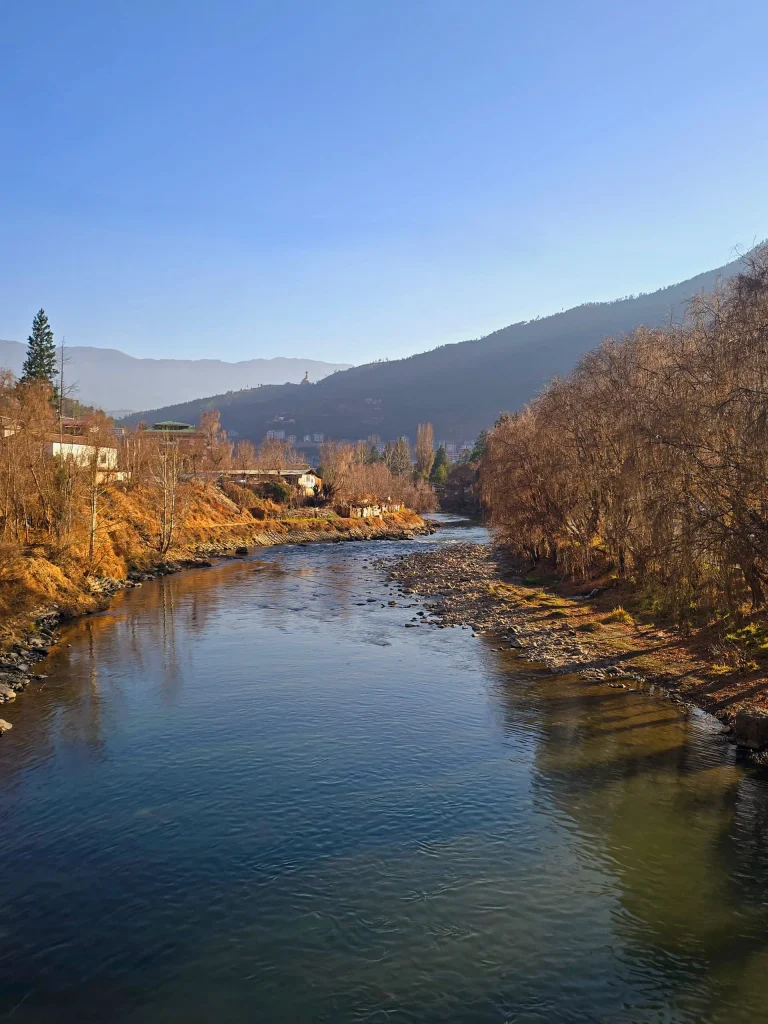
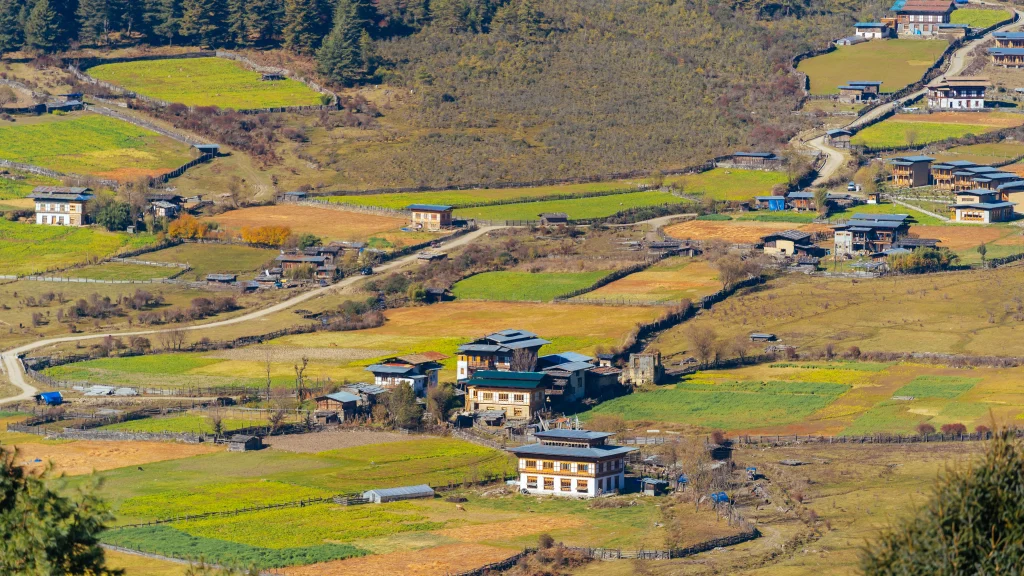
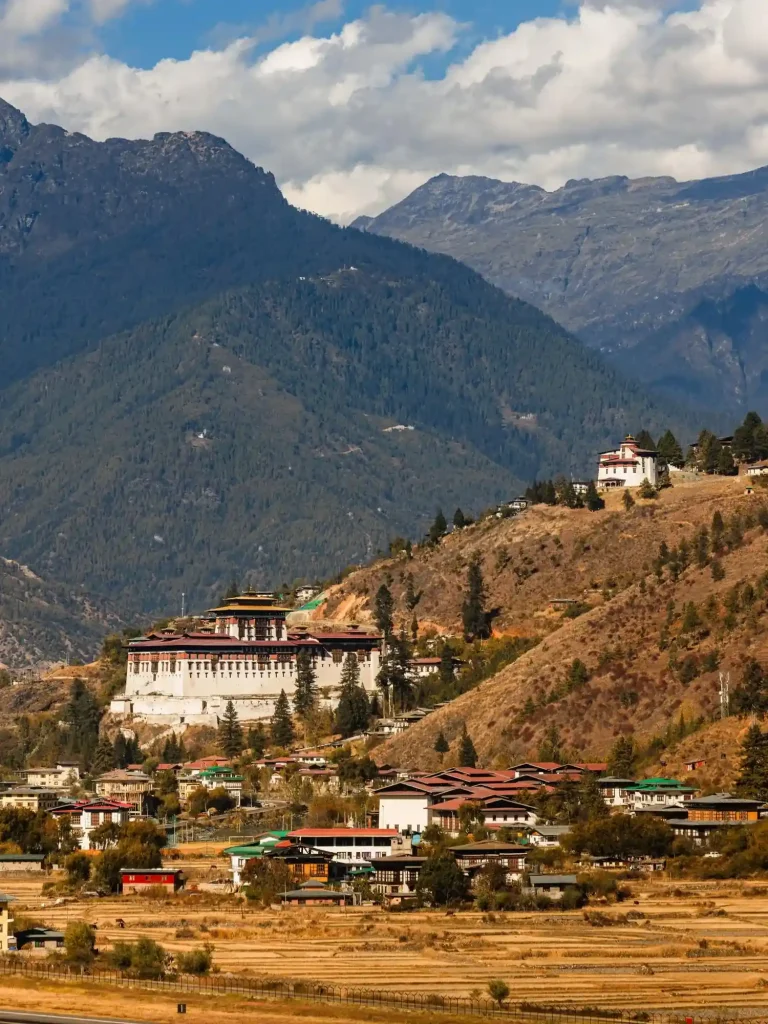
Paro, perched at 2,300 meters, welcomes travellers as Bhutan’s gateway and spiritual sanctuary. Blessed by Guru Rinpoche in the 8th century, this valley stands as one of the nation’s two sacred heartlands. Only 65 kilometres from Thimphu, Paro preserves its timeless beauty, where the pulse of tradition still shapes daily life.
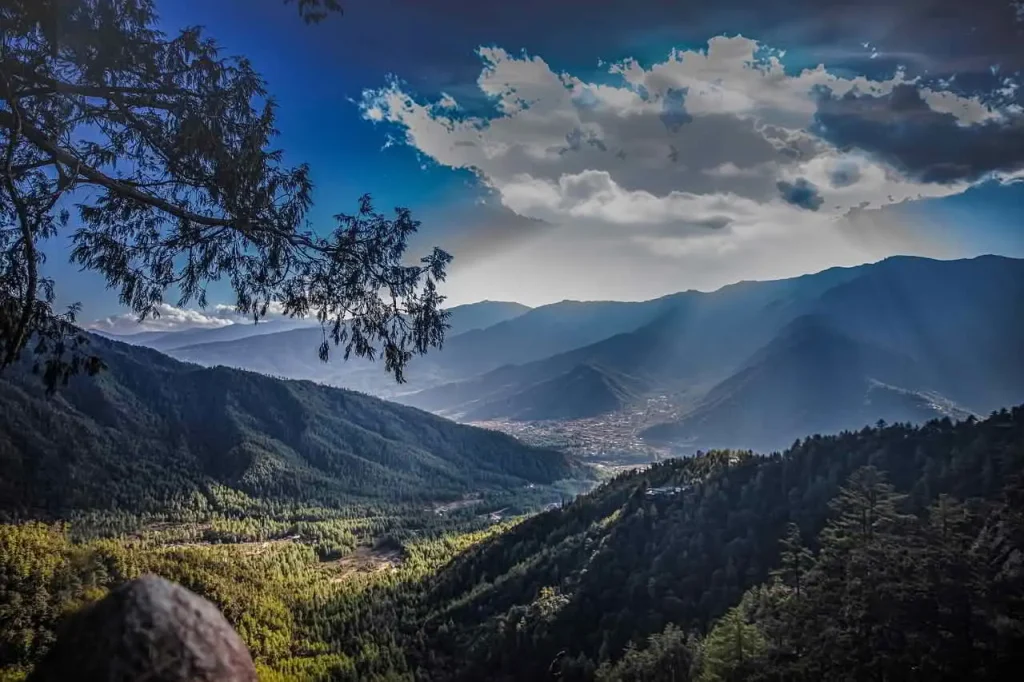
Your arrival here speaks for itself. Paro International Airport is considered among the world’s most challenging airports due to its location in a deep valley surrounded by the Himalayan mountains. Only a handful of certified pilots in the world are allowed to land here. They weave between Himalayan giants on descent, a true rite of passage as planes twist through narrow valleys, mountains pressing close on all sides, before wheels finally touch down in a breathless moment.
You have arrived, not just in Bhutan, but in a new state of being.
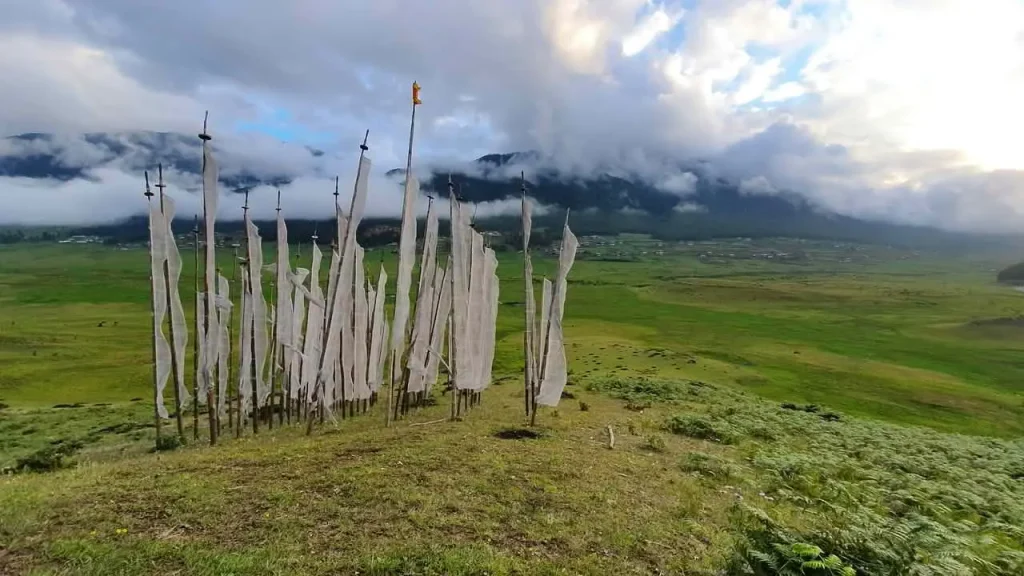
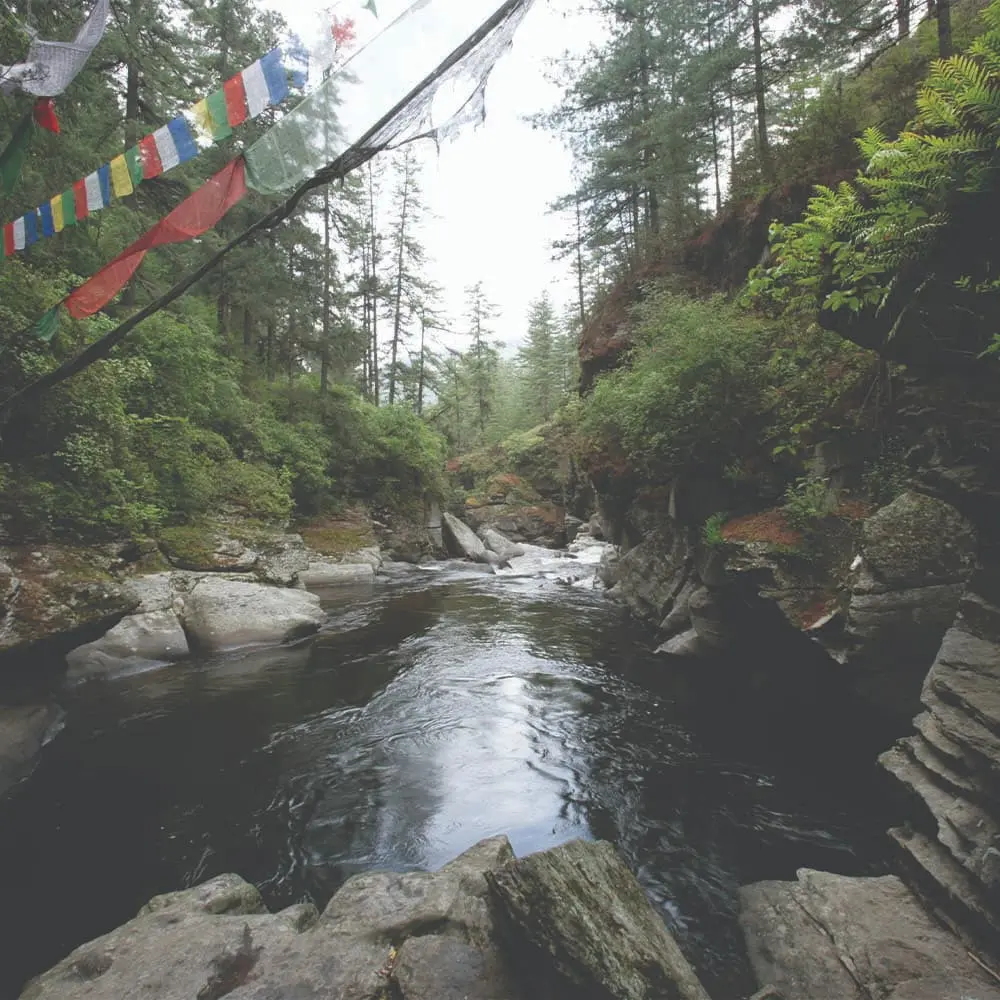
Beyond the dramatic arrival lies Paro’s deeper gift: a valley shaped by faith. Share butter tea with monks at dawn. Spin prayer wheels as sunlight gilds the valley. Watch farmers pause mid-harvest to chant. Prayer flags flutter from every bridge, carrying blessings on the wind.
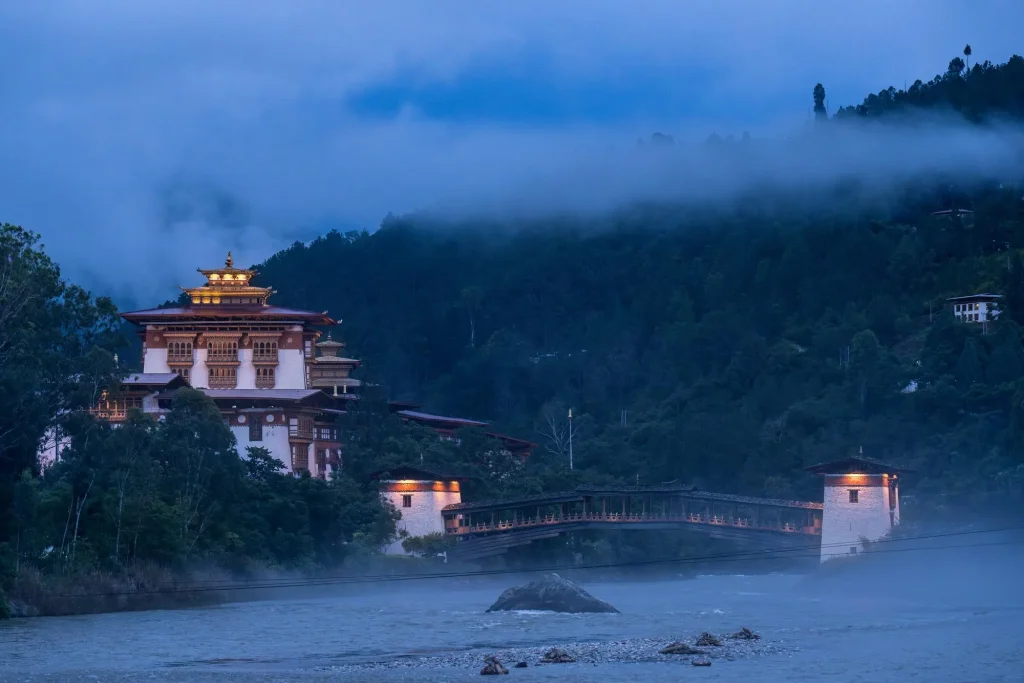
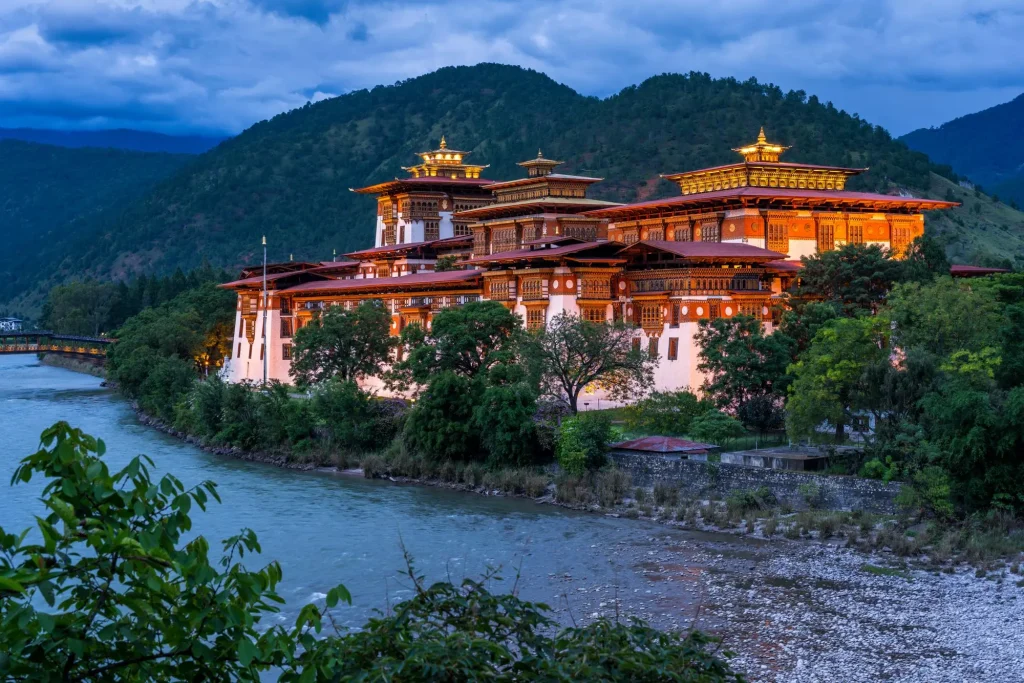
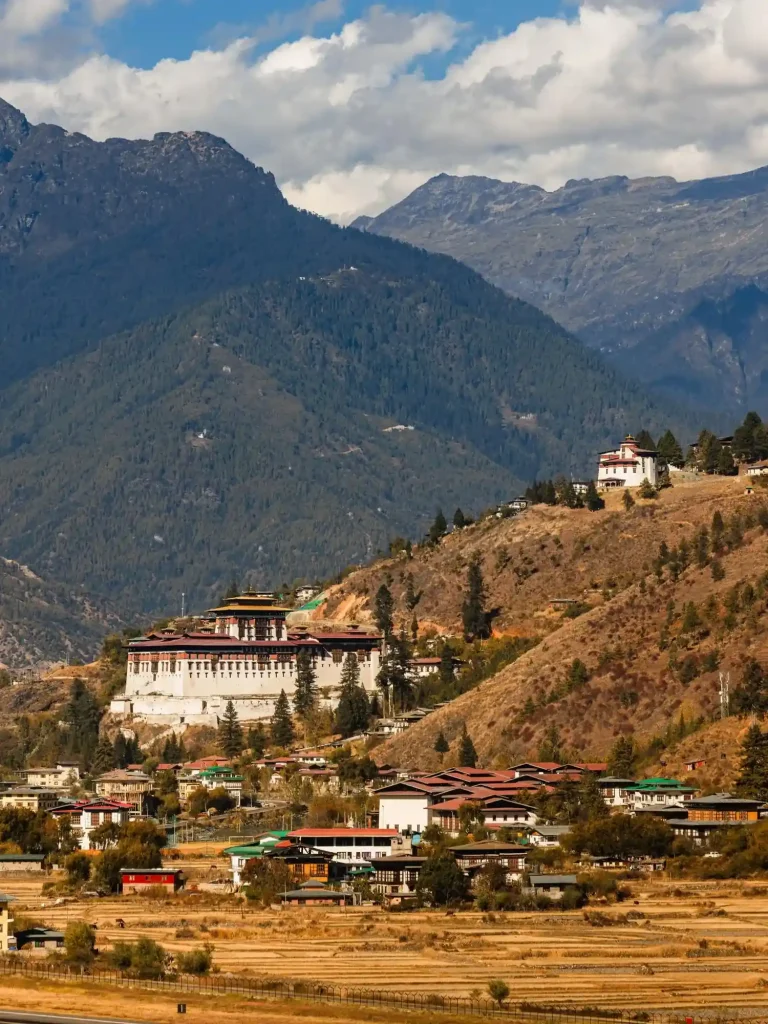
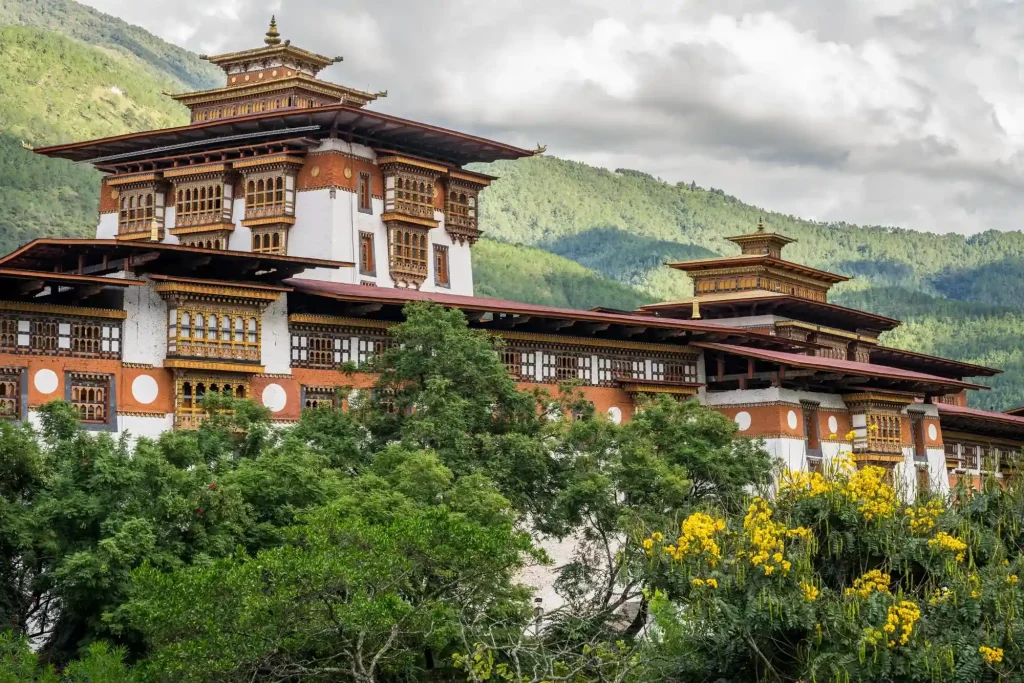
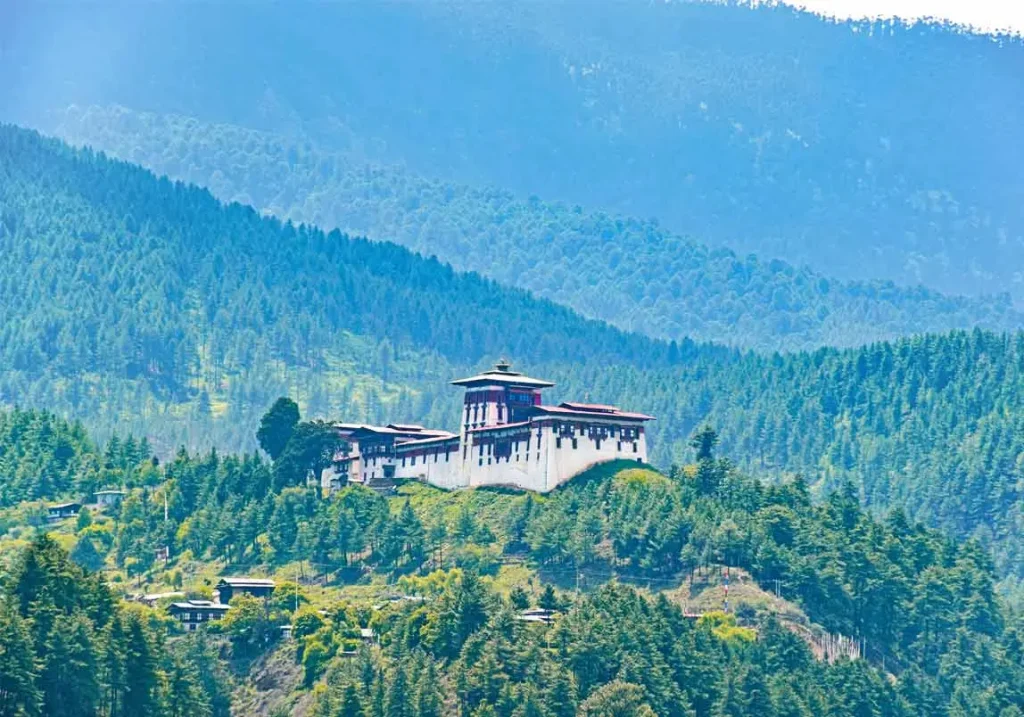
Ancient dzongs aren’t museums; they are alive. Rinpung Dzong, built in 1646, houses district offices and a thriving monastic community. For nearly four centuries, it has fulfilled this role as a vibrant centre of governance and spirituality.
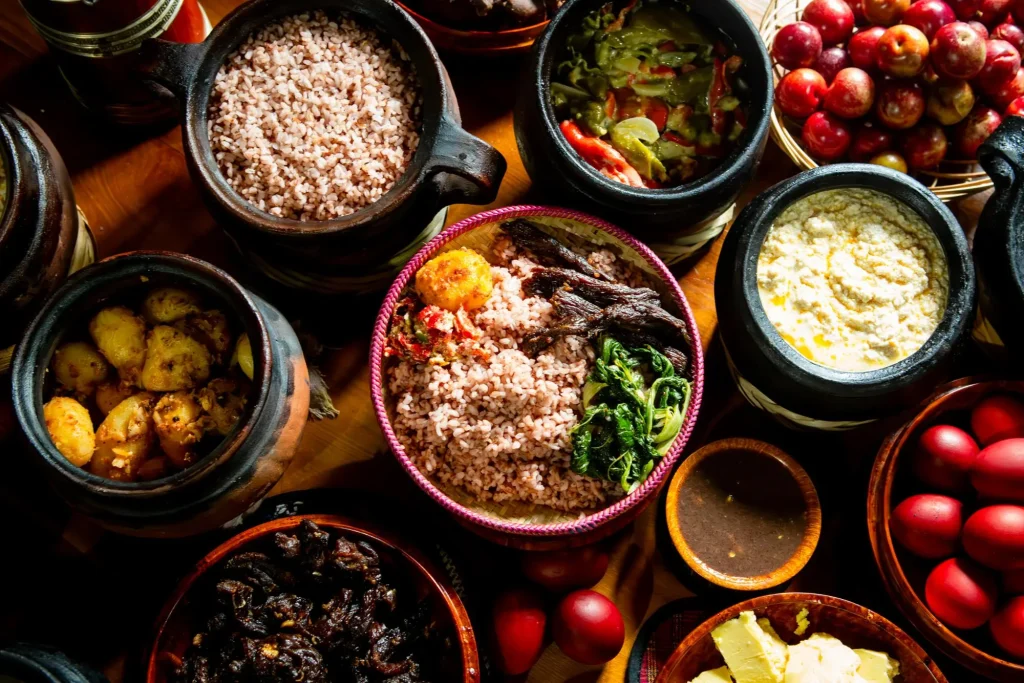
With Omba, you experience this intimately. Our guides were born here. They know the stories, prayers, and families who have tended these temples for generations. You might share tea in a farmhouse, light butter lamps with a monk, or taste jomju, a traditional Bhutanese delicacy similar to sausage.
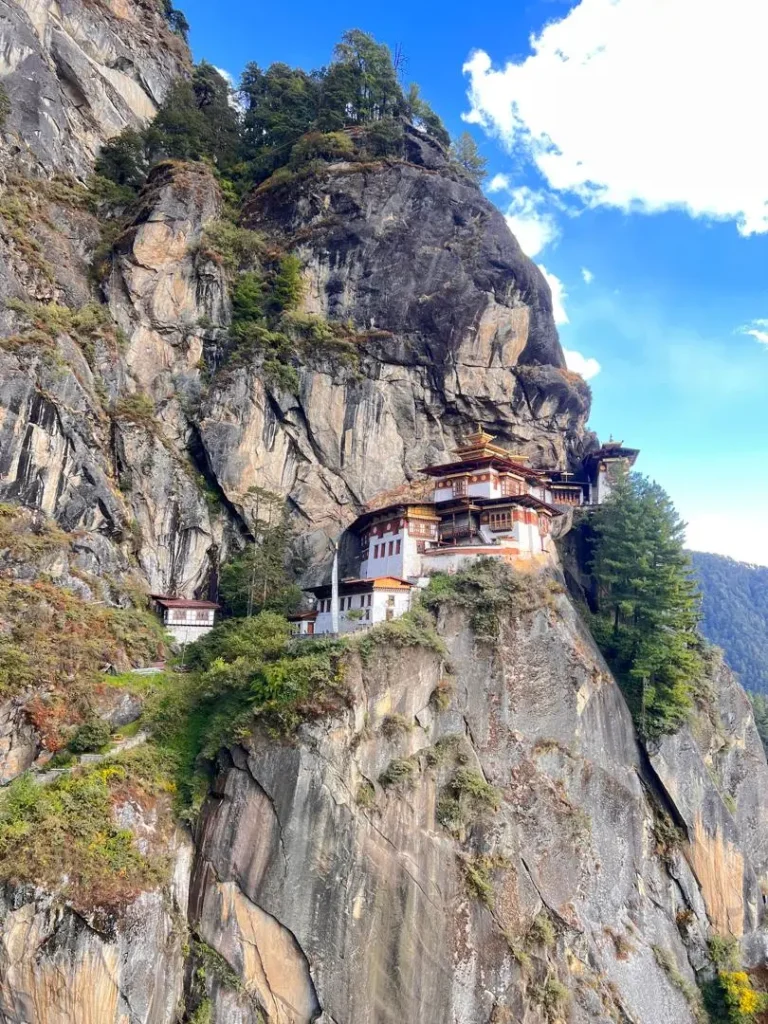
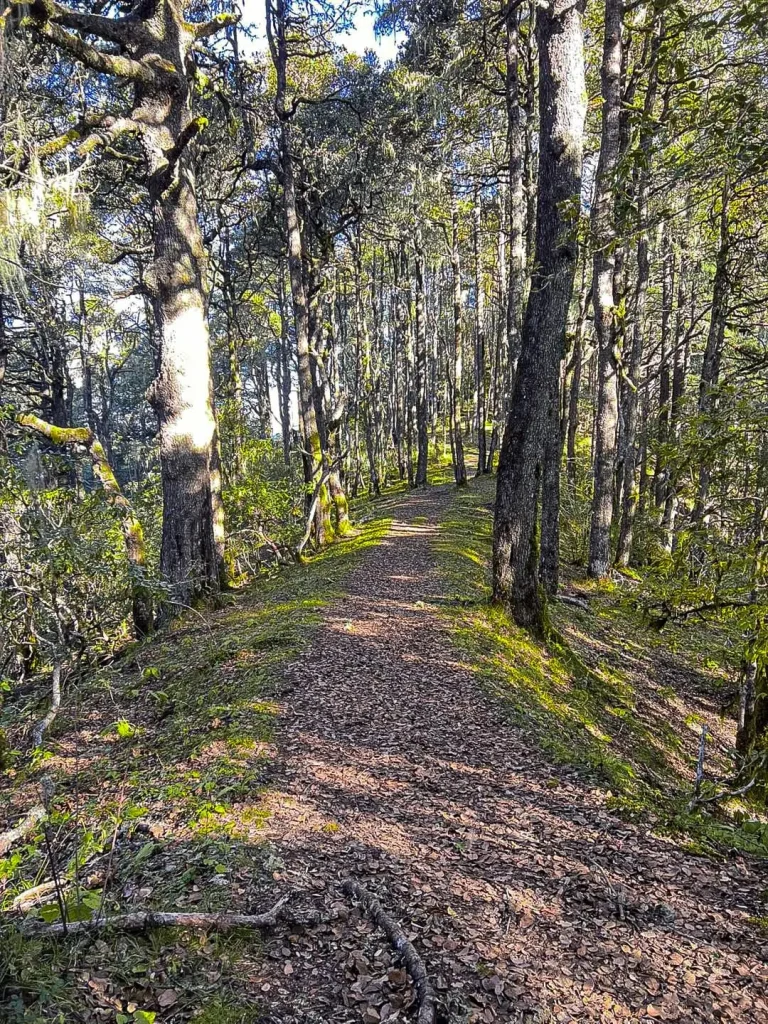
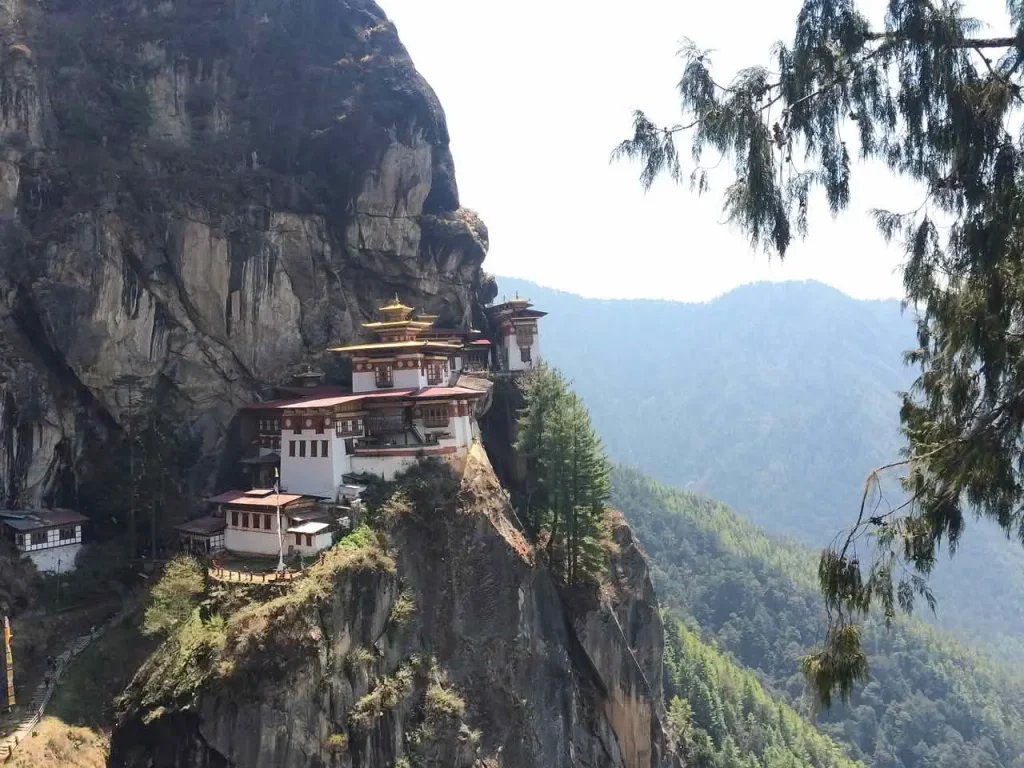
Taktsang, or Tiger’s Nest Monastery, sits high on a sheer cliff 900 meters above the valley floor. Here, Guru Rinpoche is said to have arrived on a flying tigress in the 8th century, meditated to subdue demons, and made the cliff sacred. The hike up takes two to three hours and calls for breath, courage, and faith as you walk through blue pine forests, past waterfalls and prayer wheels.
This hike is different from most. As you climb, you see more prayer flags, hear pilgrims chanting, and watch the valley open up below. Guides stop along the way to rest and to show you what to notice and how to appreciate the mountain.
At the top, incense smoke mixes with the mist, and the monastery appears to rise out of the rock. Some journeys ask a lot from you, but give back even more.
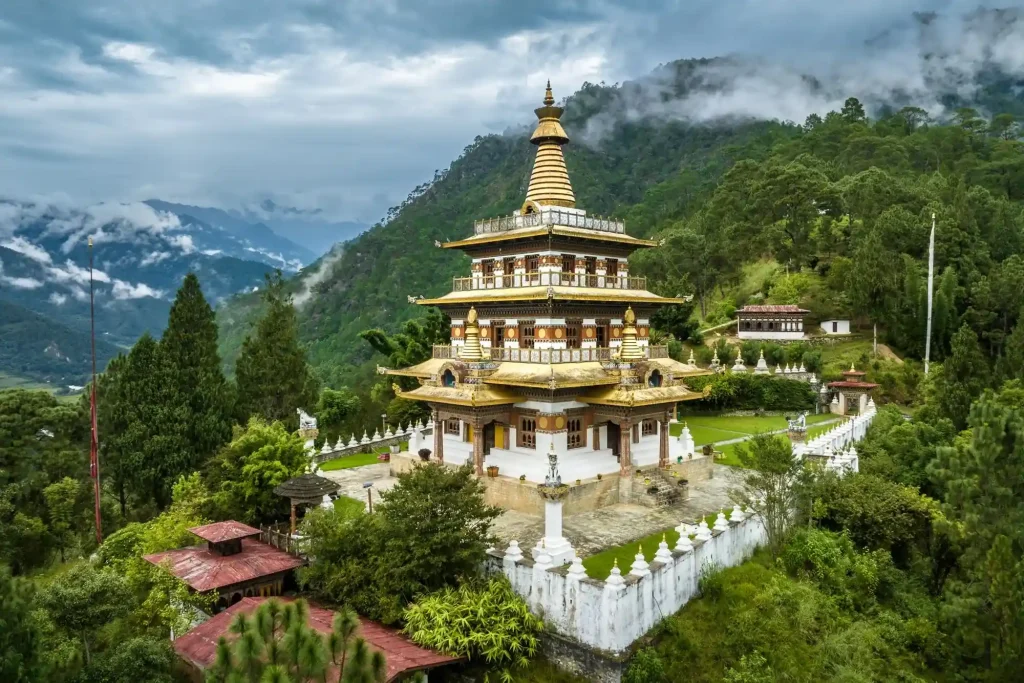
Paro’s sacred sites extend far beyond Tiger’s Nest, offering a journey through a valley rich with more than a dozen holy places. Each site contributes to an intricate tapestry of miracles, meditation, and divine intervention.
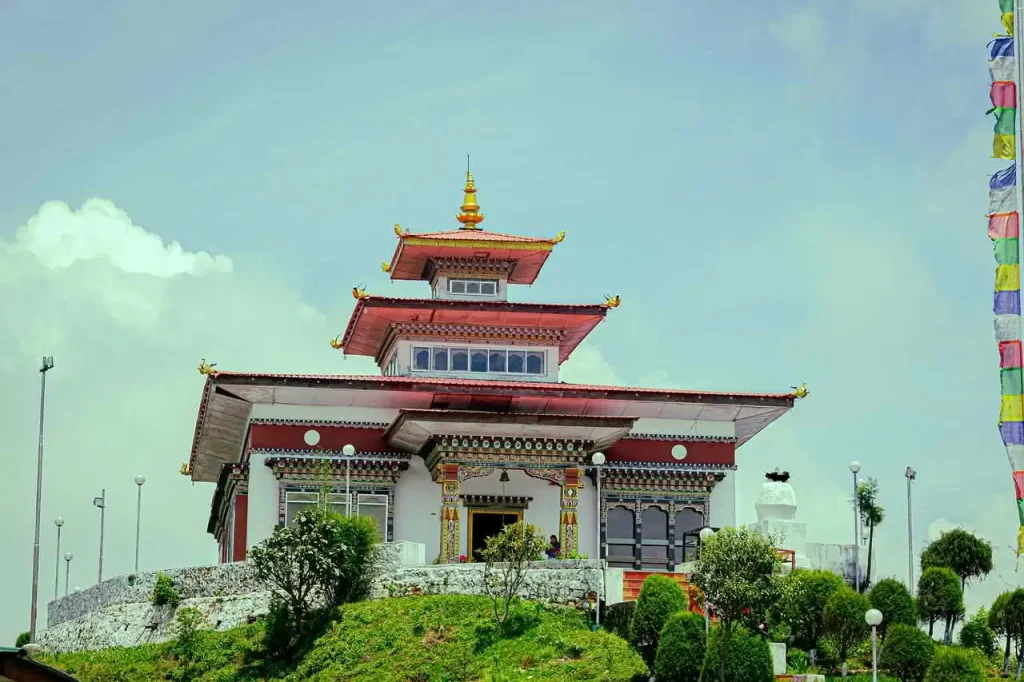
Kyichu Lhakhang is one of Bhutan’s oldest and holiest temples, built in the 7th century by the Tibetan Emperor Songtsen Gampo to subdue demons. When Guru Rinpoche arrived a century later, he blessed the site and hid spiritual treasures there. Orange trees bear fruit year-round in the temple grounds, considered miraculous in this climate.
Moving onward, Drakarpo, the “White Rock,” is where Guru Rinpoche flew from Tiger’s Nest to carve meditation caves by hand. Revered as a physical embodiment of Tibet’s three holiest mountains, it is a pilgrimage site for those seeking spiritual power and blessings. The stone, marked with fingerprints, houses 100 deities and sacred relics within its caves.
For the truly adventurous, Bumdrak Hermitage awaits at 3,800 meters above Tiger’s Nest. The Temple of 100,000 Dakinis shelters a cave of celestial footprints where monks meditate amid breathtaking sunrises and daily visits from mountain birds.
Not far away, Kila Nunnery, thought to be Bhutan’s oldest, dates to the 9th century and is home to 70 nuns. They live in self-imposed isolation among seven temples, their chants echoing across the valley each dawn.
Travelling even deeper into the valley, Chumphu Lhakhang is a remote, stupa-shaped temple containing the revered floating statue of Dorji Phamo (Vajravarahi) and murals that appear to shift in the dancing lamplight.
Along the cliffs, Dzongdrakha Goemba, the monastery founded in 1428, is where treasure-revealer Drubthog Gyonpo Dorji followed a dream and a mystical jackal to discover Guru Rinpoche’s crystal relic. The sacred stupa here is said to stir on holy days.
From town, just a minute’s drive brings you to Dungtse Lhakhang, a rare three-storey chorten temple built by the Tibetan saint Thangtong Gyalpo in the 15th century. It houses sacred murals depicting Buddhist cosmology, designed to protect the valley from hostile forces.
Finally, at Neychen Dongkala Temple, founded in the 16th century, a self-spoken statue of Guru Rinpoche is believed to have miraculously flown here from Mebar Tsho. “Nyechen” is the highest honour bestowed on a sacred site in Buddhist tradition, and this hilltop temple has earned it.
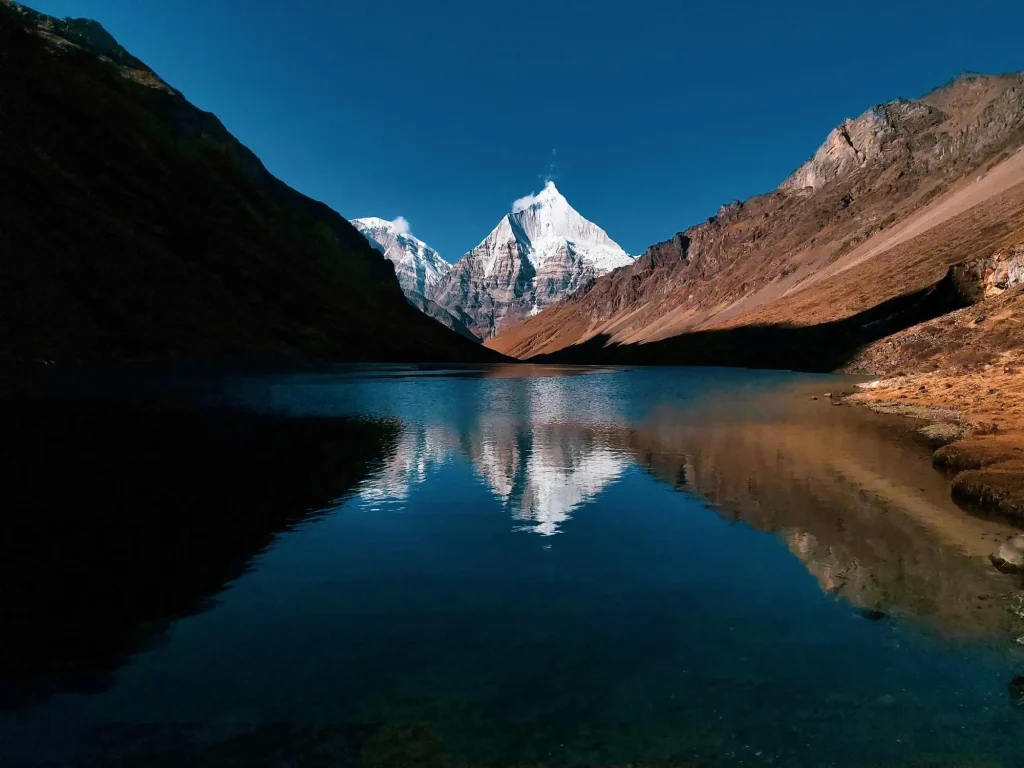
Drugyel Dzong, built in 1649, stands as a proud memorial to Bhutan’s historic victory over invading Tibetan forces. Recently restored, this fortress frames the perfect pyramid of Jhomolhari (7,326m) in its windows on clear mornings, a sight that stops you mid-breath.
Ugyen Pelri Palace, the 1930s royal residence inspired by Guru Rinpoche’s celestial realm, showcases Bhutan’s most refined traditional architecture. Every beam, every painted detail, speaks of devotion translated into wood and stone.
The National Museum of Bhutan, housed in the ancient Ta Dzong watchtower, serves as guardian of Bhutan’s cultural soul, housing rare artefacts, sacred treasures, and a sweeping narrative of the kingdom’s history from prehistory to present.
Spring (March–May)
Paro bursts into colour as wild rhododendrons blanket the hillsides in magenta and white. With temperatures between 10 and 20°C, trekking is optimal. Clear mountain vistas and flower-filled valleys set the stage for an unforgettable Tiger’s Nest ascent.
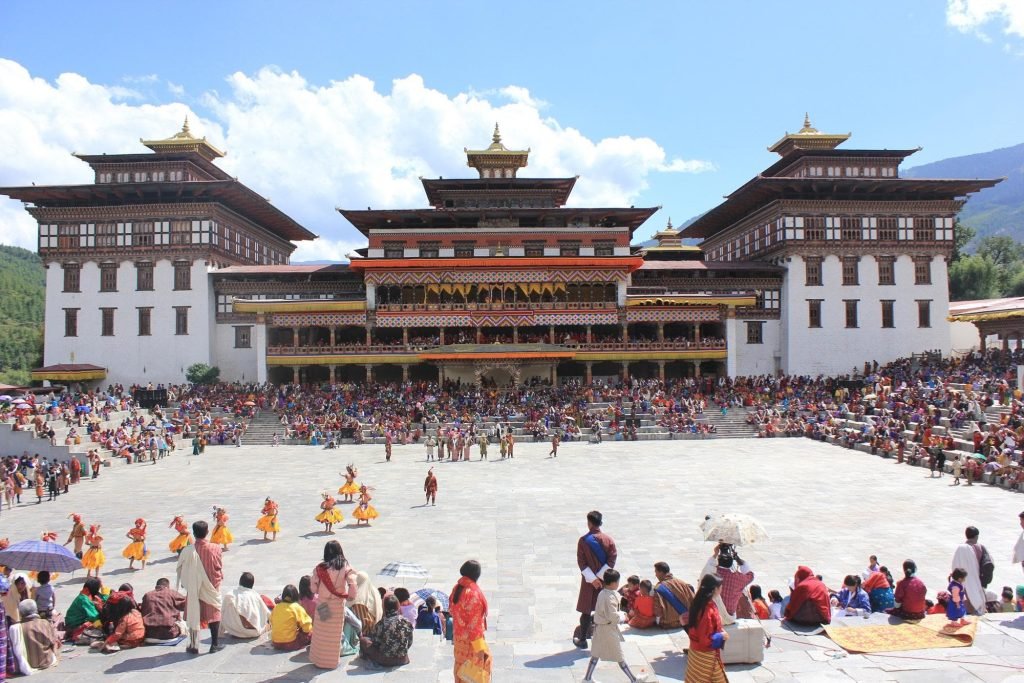
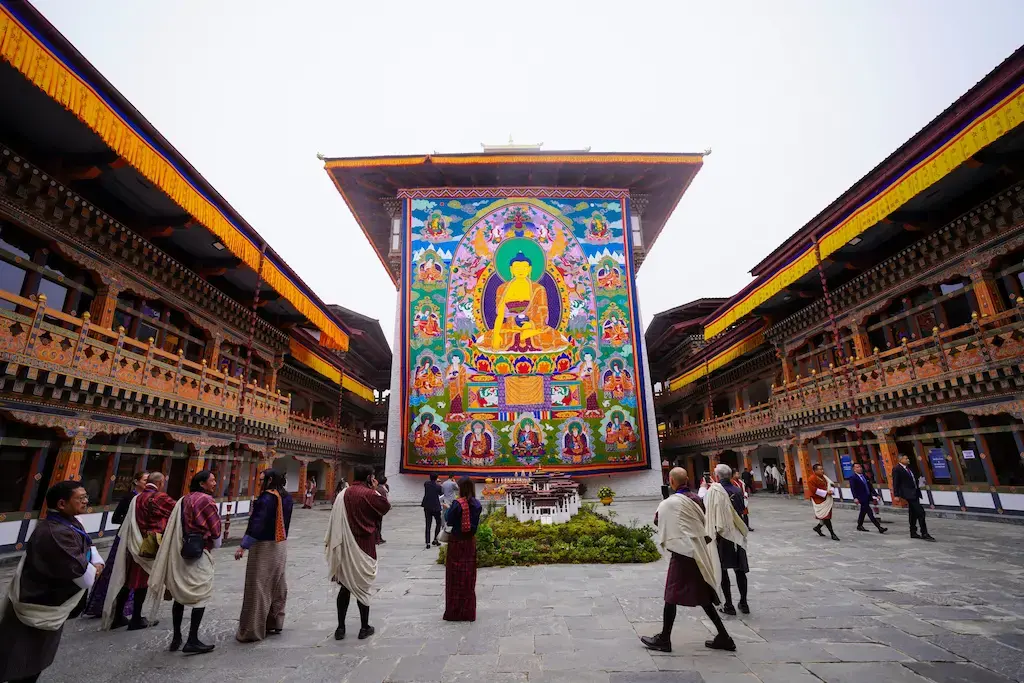
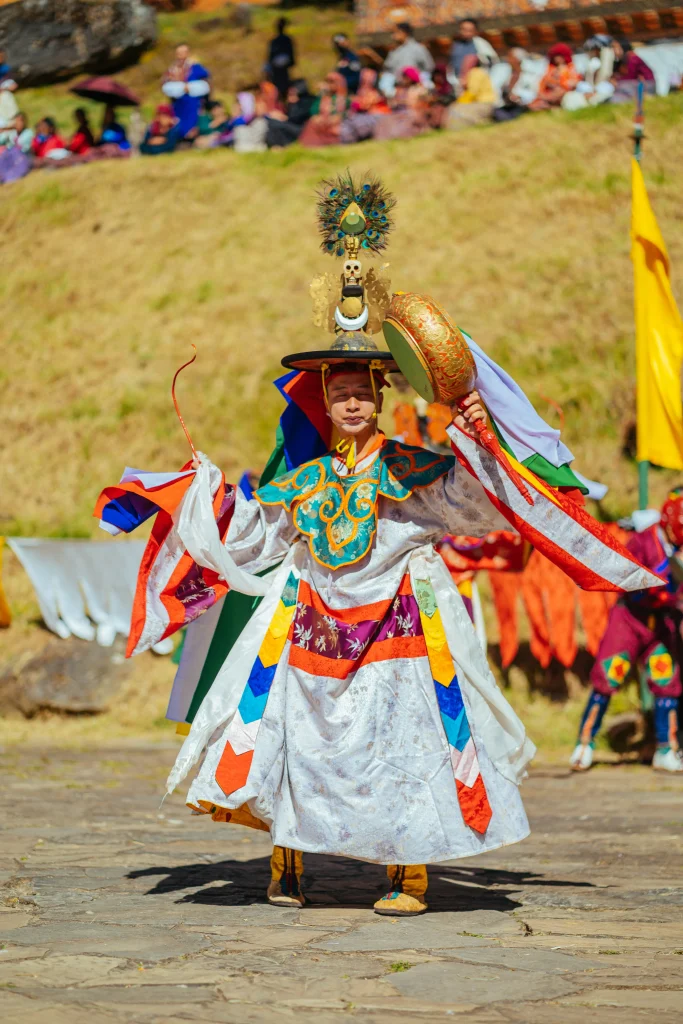
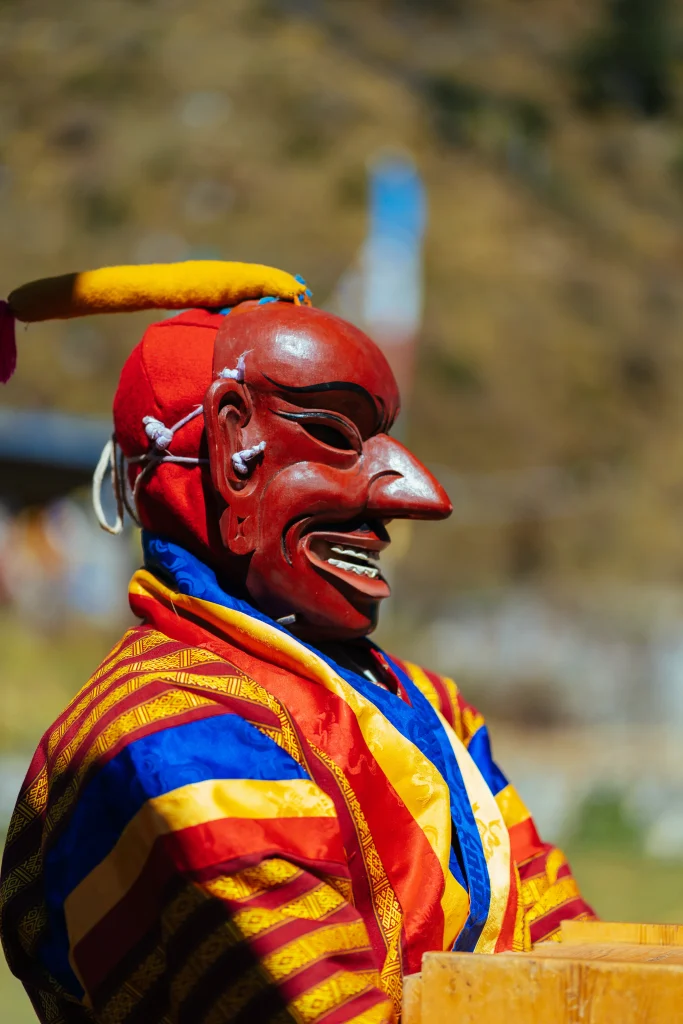
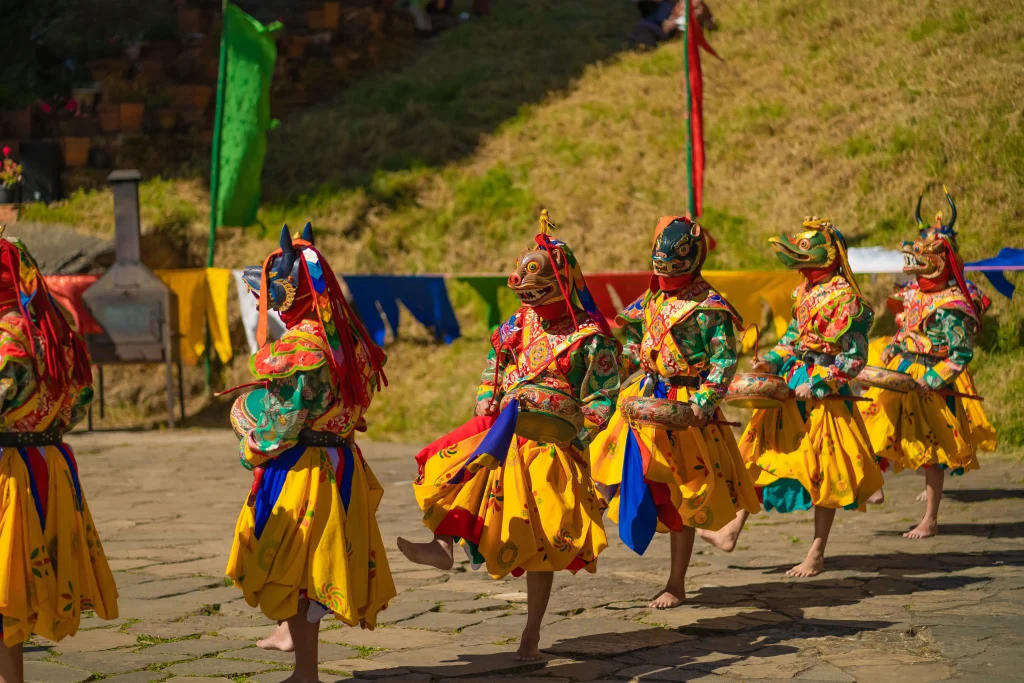
The spectacular Paro Tshechu takes place during this season (March 29 – April 2 in 2026). This five-day festival features mask dances, folk performances, and the highlight: the unfurling of the giant Guru Thongdrel at dawn on the final day. This massive silver embroidery depicting Guru Rinpoche’s eight manifestations is a masterpiece of sacred art. People from all walks of life gather to receive its blessing; merely glimpsing it is said to cleanse negative karma.
Summer (June–August)
Monsoon rains turn Paro into a lush emerald, with waterfalls roaring down cliffs and rice paddies glistening in the light. Temperatures stay pleasant at 20 to 25°C. Though afternoon showers may alter plans, mornings reveal a vivid, rain-washed world. With fewer visitors, monastery visits feel personal and serene.
Autumn (September–November)
Autumn reigns as Paro’s crowning glory. Under crystal skies and in gentle 15-20°C warmth, mountains stand in sharp relief, perfect for trekkers and photographers alike. In mid-November, the secluded Dogar Gewog comes alive with Jawo Karm Nyaru, a three-day celebration of purification rituals, moonlit butter-lamp offerings, archery contests, feasts, and communal Lolay chants that echo until sunrise.
Winter (December–February)
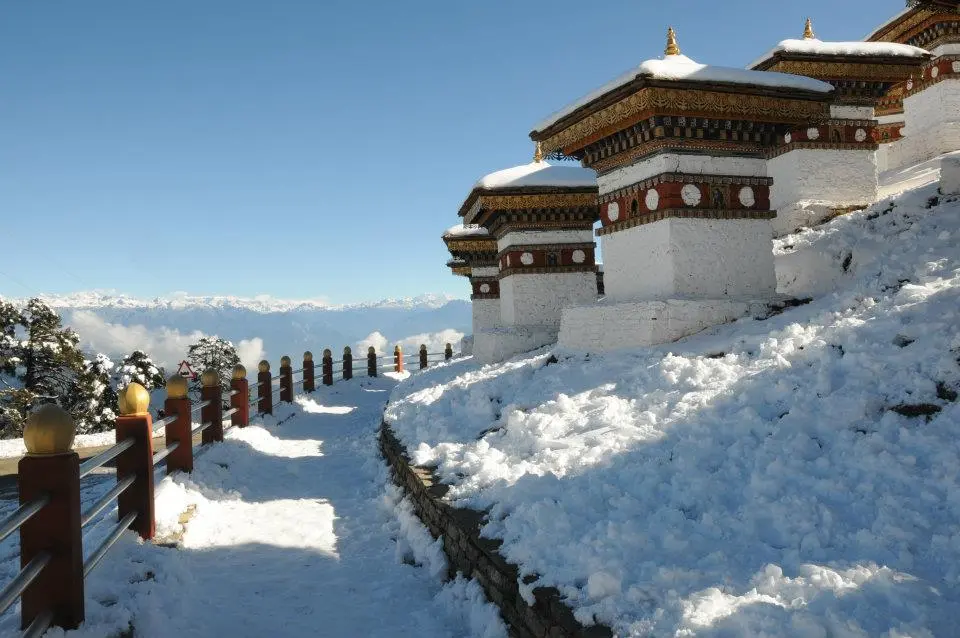
The air grows crisp and thin, with nights dipping to -5°C and days rising to a chilly 10-15°C. Frost glitters across the landscape, while prayer flags whip against a backdrop of piercing blue sky.
In late December, usually around the 30th, the western valleys of Paro and Haa come alive for Lomba, the local New Year. Children race through villages chanting “Lolay, Lolay!” as families gather over steaming hoentey dumplings and hearty jomju. Days brim with rituals for renewal and prosperity, offering travellers a rare window into Paro’s most cherished traditions.
Our journeys give Paro the time it deserves, two or three days, giving you the chance to climb Tiger’s Nest at your own pace, discover hidden hermitages known only to locals, join monks for morning prayers in quiet monasteries, and savour butter tea as the valley stirs to life.
Our guides are storytellers who bring each place to life. They reveal why monks punctuate debates with claps, decode the meanings behind temple wall symbols, and teach you to read prayer flags as if forecasting the weather. With family ties to the temples, they open doors that remain closed to most.
We unlock experiences few can offer: private audiences with high lamas in their personal quarters, sunrise pujas at Kyichu Lhakhang (one of Bhutan’s oldest temples) with resident monks, and invitations into local homes during Lomba, Paro’s harvest festival, where families share a feast and traditional dances. These moments are possible thanks to relationships nurtured over decades.
Paro weaves together vibrant culture, thrilling adventure, and a sense of spiritual wonder. It calls to first-time explorers, passionate photographers, and anyone craving a journey that unfolds at a gentle, immersive pace. The valley’s heartfelt hospitality and breathtaking scenery linger in memory long after you leave. Whether you come for the iconic Tiger’s Nest or to uncover hidden sacred gems that few ever find, Paro reveals its magic to those who linger and look deeper.
Jomju is a traditional Bhutanese delicacy similar to a sausage, made by stuffing seasoned rice and butter, sometimes with spices, into cleaned animal intestines and then cooking it until rich and aromatic.
Paro is where Bhutan gently and generously unveils its soul to travellers who arrive with open hearts. It invites you to climb higher, to sit in stillness, and to let timeless rhythms gently recalibrate your sense of time. In this exchange, Paro promises transformation.
Ready to begin? Explore our Essentials, Signature, and Luxe Bhutan packages, or discover our specialized Hiking, Photography, Festival, and Slow-Travel extensions. Speak with our travel consultants to craft your perfect Paro pilgrimage. We will align the valley’s rhythms with yours to create space for both wonder and wisdom.