- 3
- 2
- 1
- 2
- 16
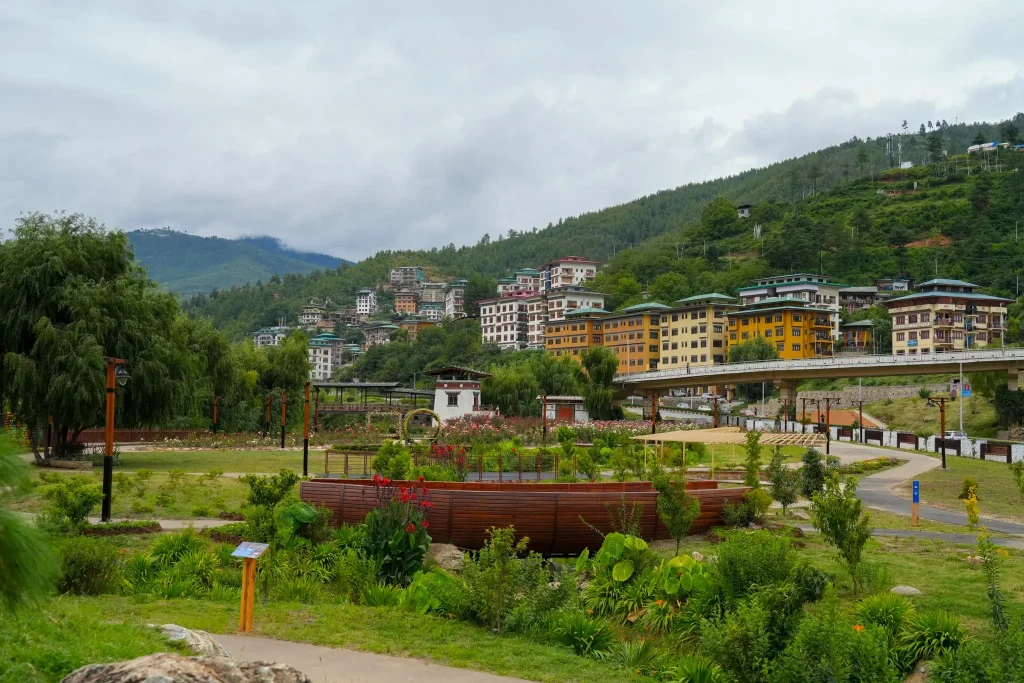
Thimphu is a paradox, a capital with no traffic lights where police direct cars with balletic gestures. A seat of government where dzongs house both bureaucrats and monks. A modern hub where café culture thrives alongside centuries-old rituals. This is Bhutan’s vibrant heart: 100,000 people at 2,334 meters, confidently being both ancient and contemporary, Bhutanese first and always.
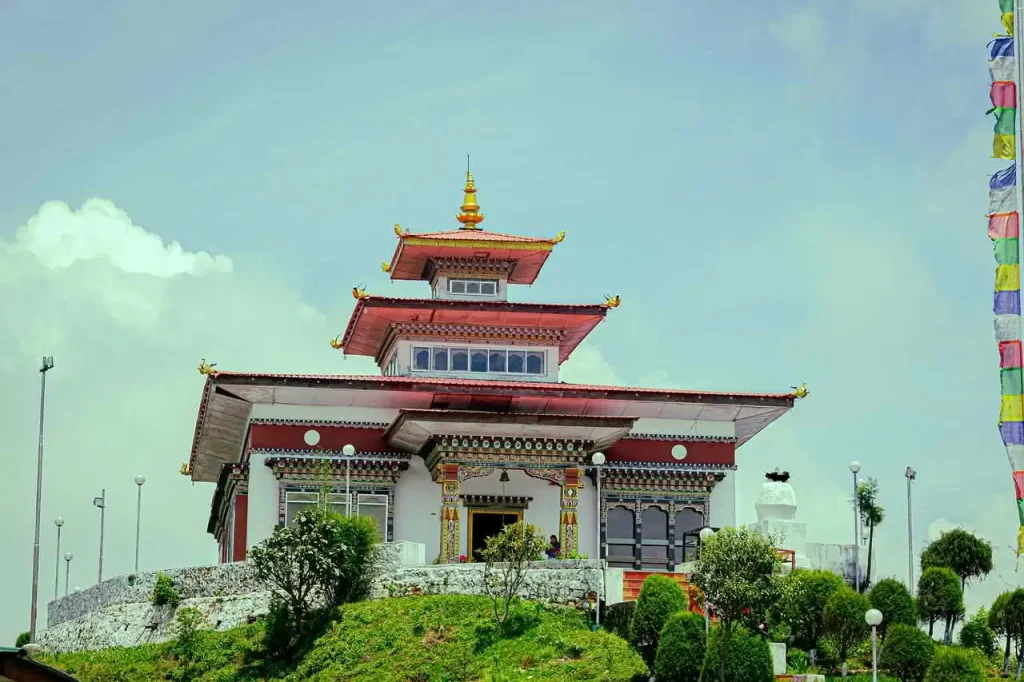
Chosen deliberately in 1961 for its beauty and position between the sub-Himalayan ranges, modernity was invited in carefully. Government officials wear a gho and a kira to work. The most prominent building is a monastery-fortress. Progress is measured in Gross National Happiness, not GDP.
Weekend markets overflow with red rice and wild mushrooms. Civil servants stop at the chorten before heading home. Archers practice near the city centre, their cheers echoing across valleys. Even nightlife is distinctly Bhutanese: local bands, reasonable prices, and atmosphere that feels authentic rather than staged.
Here, tradition receives government funding. Weavers work on looms that their grandmothers mastered. Walk these streets at evening: incense drifts from family altars, temple horns call monks to prayer, and children play football in traditional dress. This isn’t performance. This is life.
National Memorial Chorten
Built in 1974 for the third king, this white stupa pulses with devotion. Dawn to dusk, Bhutanese circle clockwise, spinning prayer wheels worn smooth by ten thousand hands. Grandmothers teach grandchildren how to walk, pray, and honour. Monks and office workers move together, all equal, allseeking merit.
Changangkha Lhakhang
This temple predates Thimphu itself by 800 years and counting. Families bring newborns for blessings. Older parents climb steep steps each morning to offer butter lamps, so did their older generations. Inside the temple the statue of Avalokiteshvara offers peace to wandering minds, Butter lamp glow, walls blackened by centuries of smoke, and air thick with juniper and prayer.
Tashichho Dzong
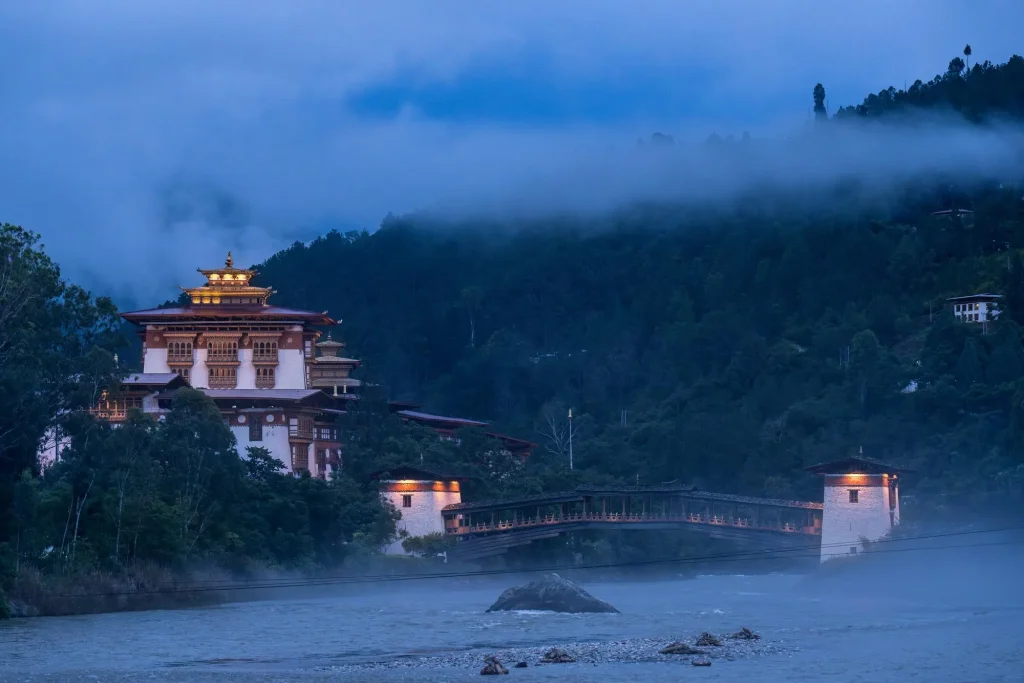
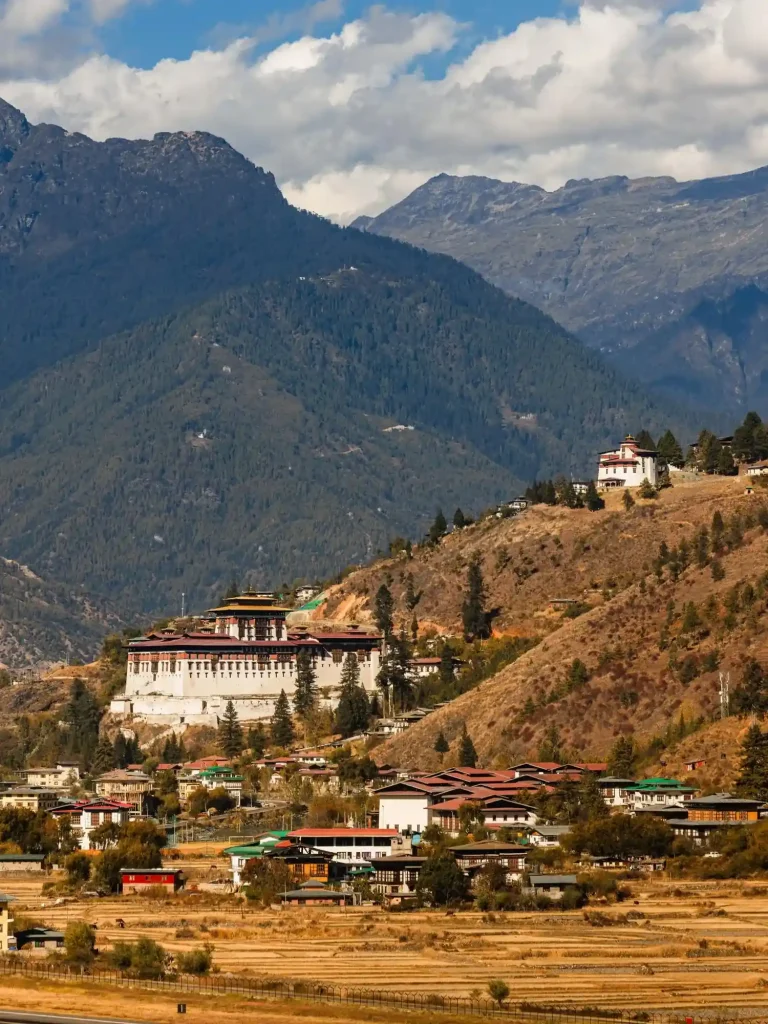
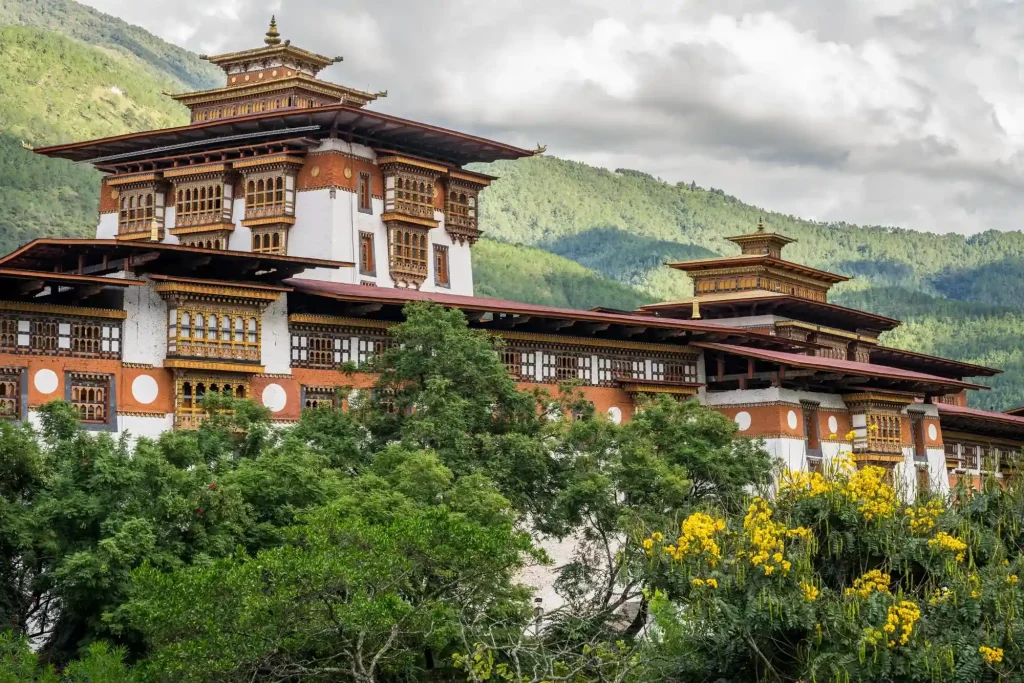
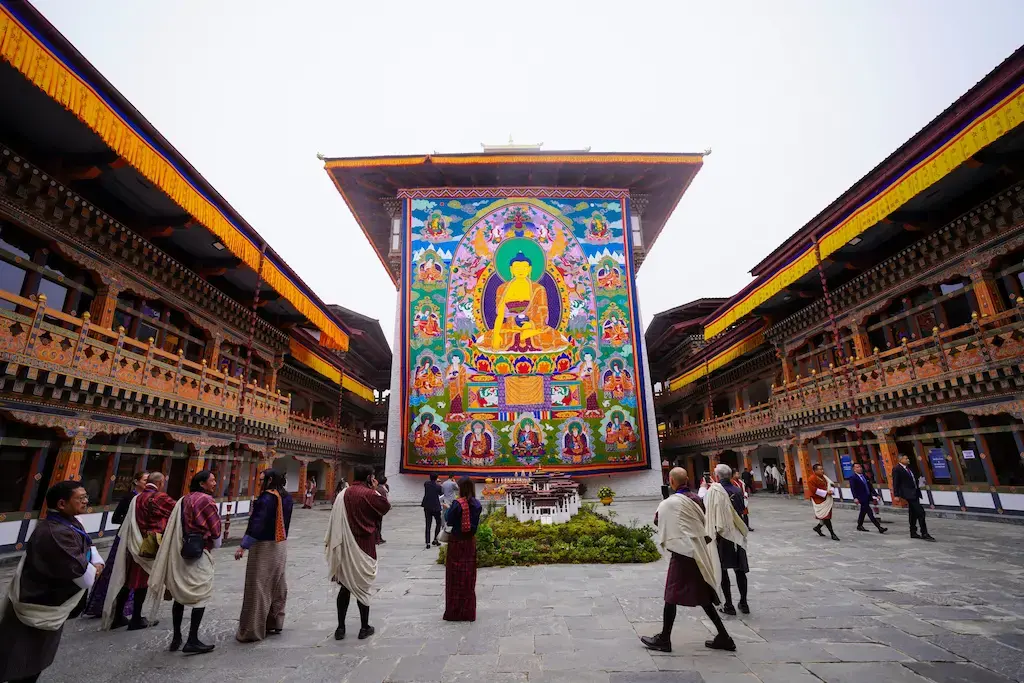
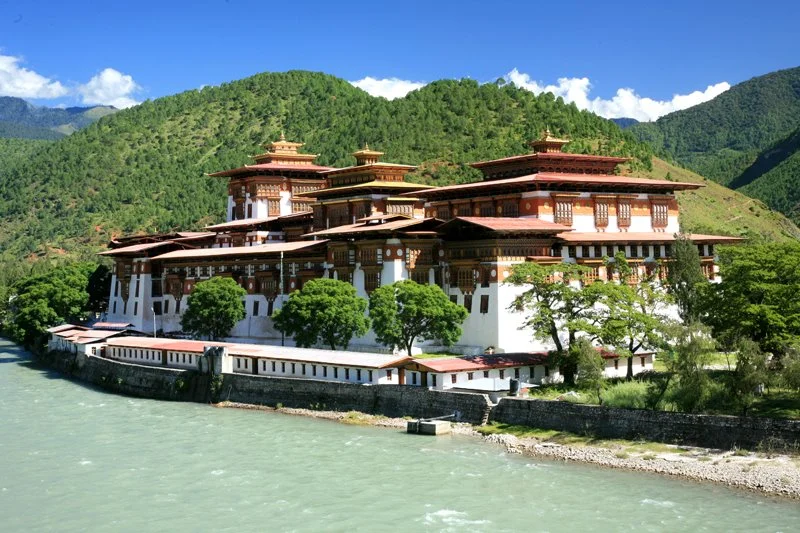
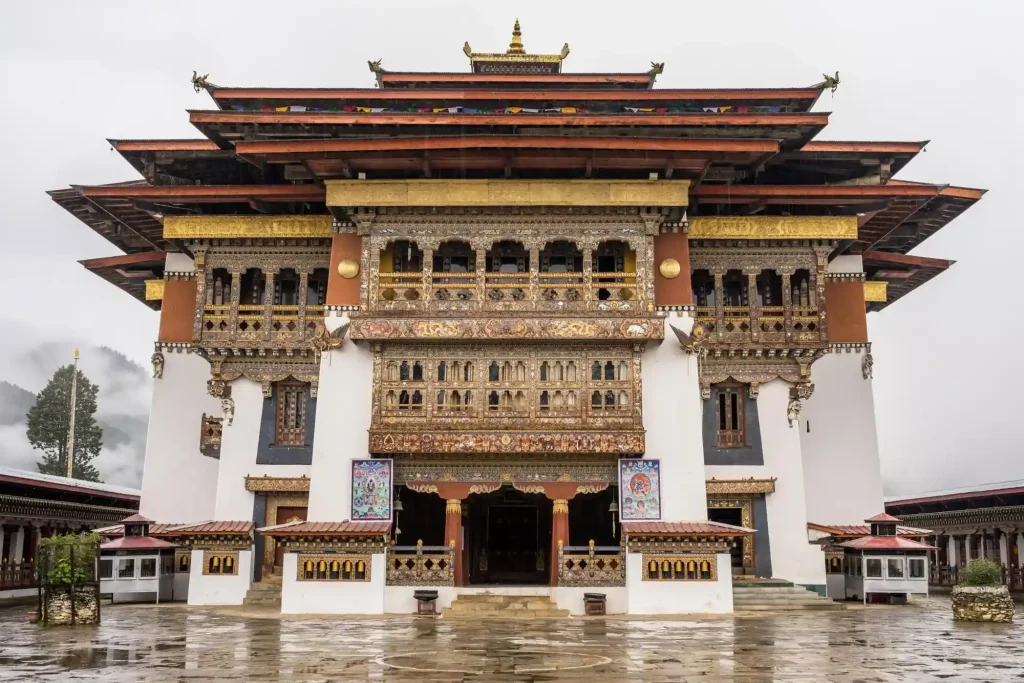
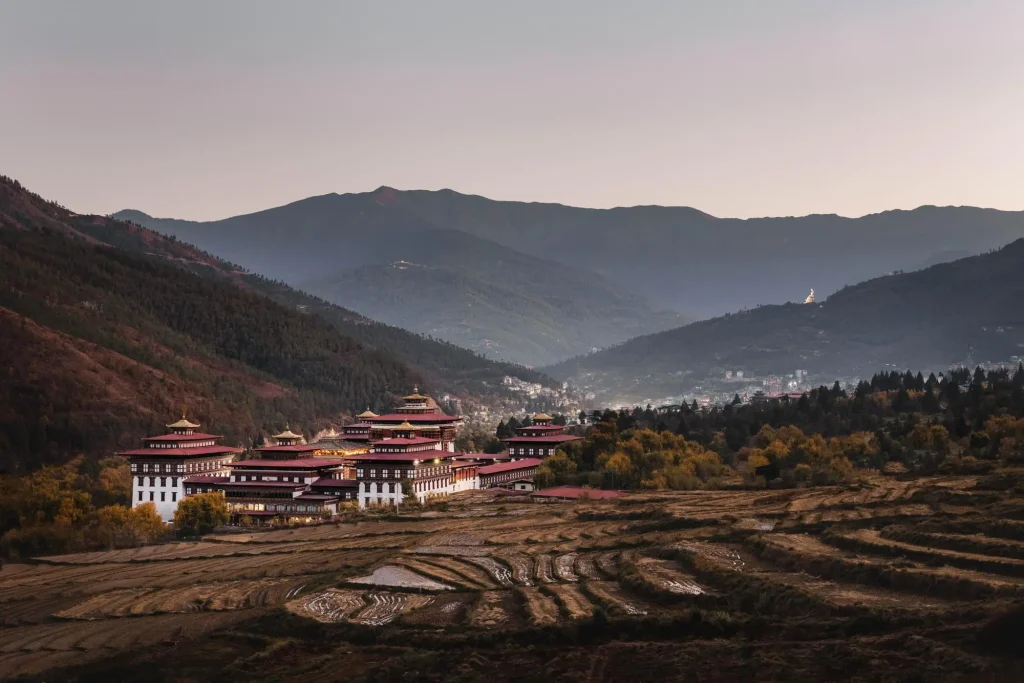
Bhutan’s most important office, rebuilt in the 1960s without a single nail, this fortress-monastery houses a throne room and a monastic body under one roof. On one wing, the cabinet ministers are debating policy and on the other, monks are chanting centuries-old prayers. Visitors are admitted only after 5 PM on weekdays and all day on weekends.
Buddha Dordenma
High on a ridge, 51 meters of gold gleaming against mountain sky, completed in 2015 to fulfil an ancient prophecy, the real wonder lies inside, 125,000 smaller statues, each gilded, each blessed, the world’s largest repository of Buddha images.
From the ridge, the Buddha gazes down at the city it protects. Thimphu spreads below like an offering. On clear days, snow peaks rise beyond, the Himalayas keeping their own watch.
National Institute for Zorig Chusum
Young Bhutanese spend four to six years here mastering thirteen traditional arts. Students paint intricate thangkas in patterns established a thousand years ago. Apprentices carve masks for sacred dances. Weavers create textiles of stunning complexity. The government funds this to protect, preserve, and promote the living traditions.
Royal Textile Museum
Bhutanese textiles are language, identity, status, and history woven into fiber. Watch weavers at traditional backstrap looms, their bodies becoming part of the loom. Learn to read patterns: which indicate region, which show status, and which are reserved for royalty.
With Omba’s textile specialists, understand what you are seeing: why some patterns take six months to complete, and how a single textile can hold a value far beyond money for the family who wove it.
Thimphu’s Living Market
Every weekend, Kaja Throm transforms. Bhutan’s valleys meet here, farmers displaying harvests, monks shopping for incense, families stocking up.Things you have never seen yak cheese hard as stone, wild ferns from mountain forests, and red rice in varieties you didn’t know existed.
The Takin
Part goat, part antelope, wholly enchanting, the takin is Bhutan’s national animal. Legend tells of the 15th-century saint Drukpa Kunley, who assembled it from goat and cow bones after lunch and brought it to life with a snap of his fingers. Today, the Motithang Takin Preserve offers these rare creatures sanctuary in a reserve shaped by compassion, where they roam freely within a protected natural landscape rather than confined behind zoo enclosures.
Dochula Pass
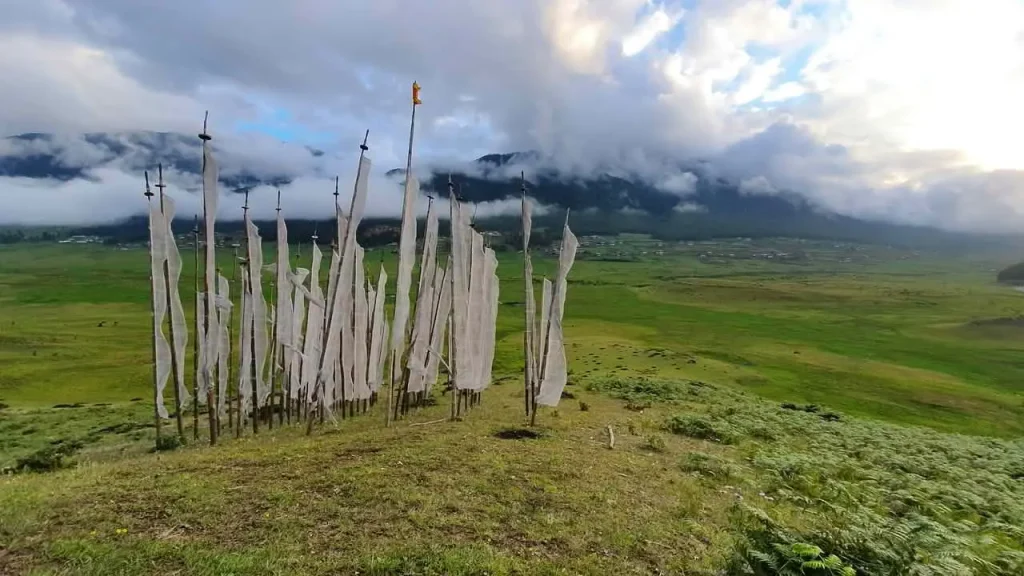
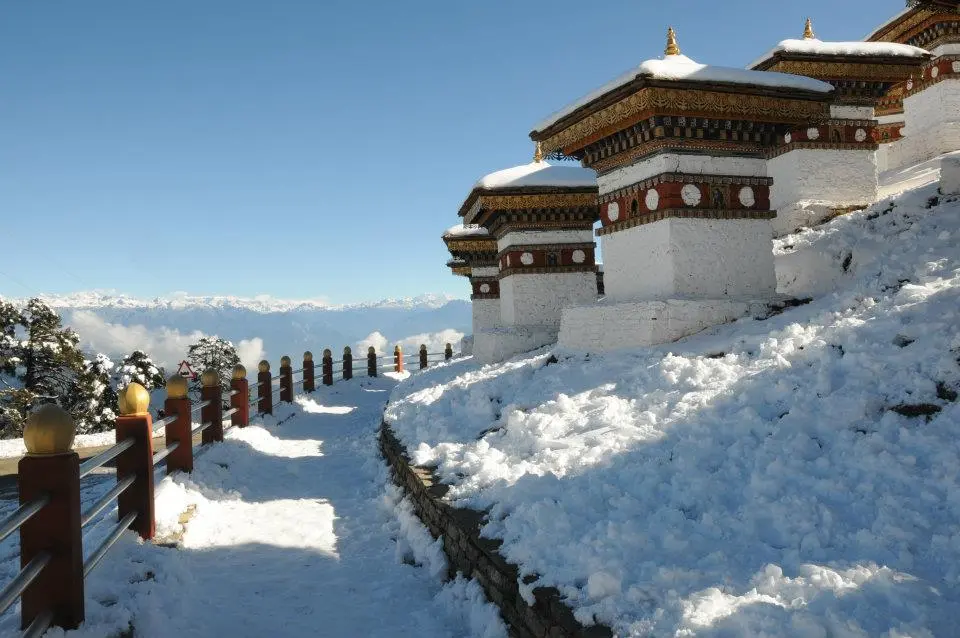
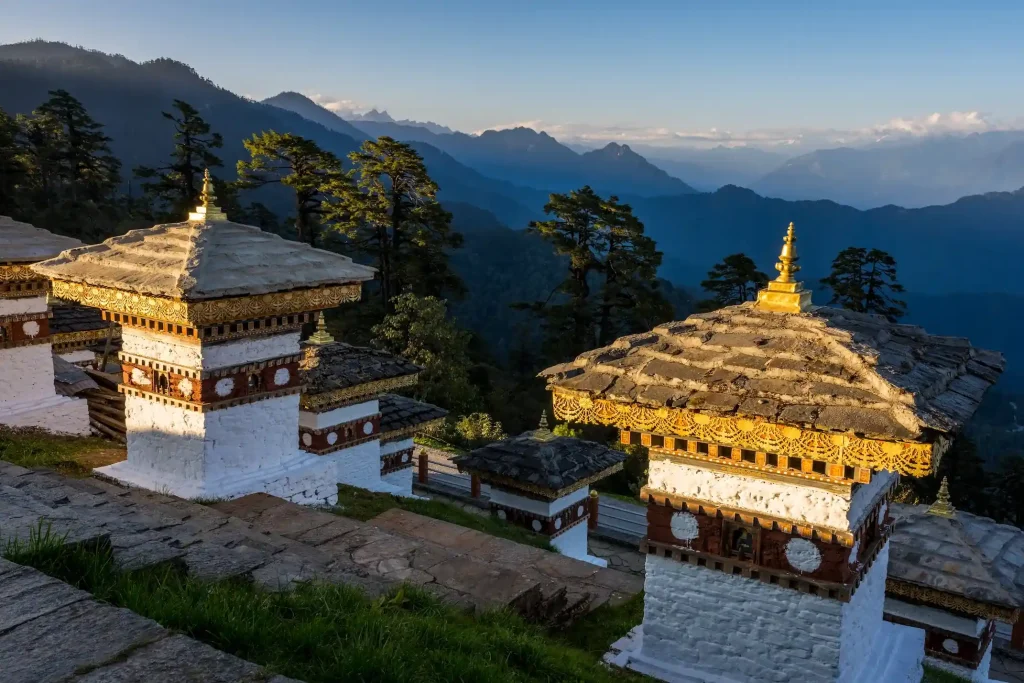
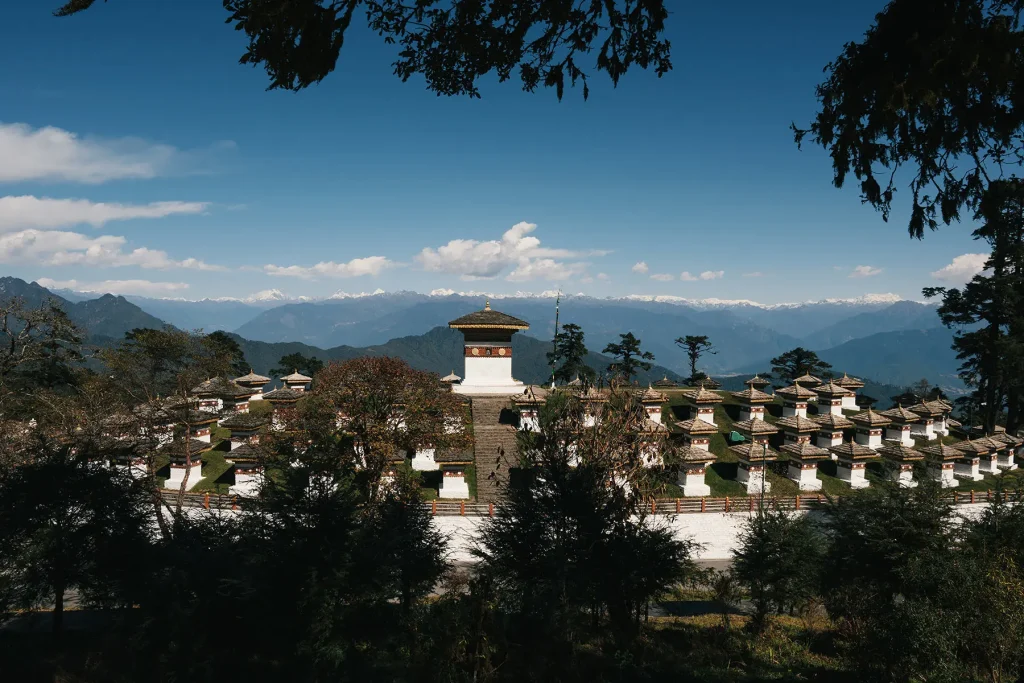
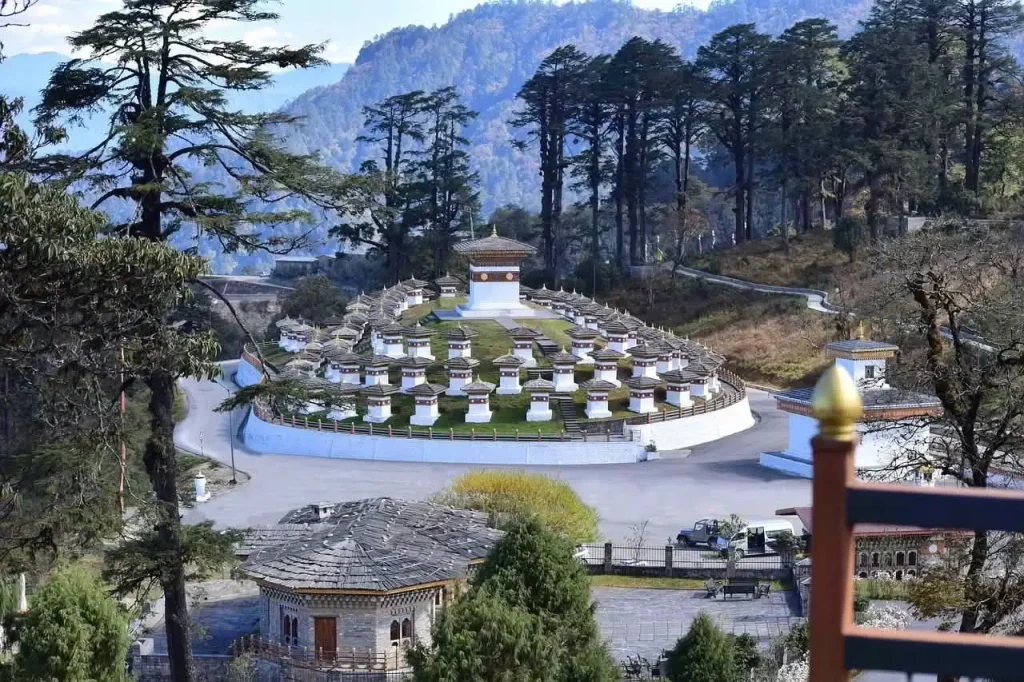
The drive toward Punakha climbs to 3,100 meters, where 108 memorial stupas stand against the infinite sky, built in 2004 to honour Bhutanese soldiers who fell fighting insurgents.On clear mornings, it is Bhutan’s finest Himalayan panorama. A 180-degree sweep of snow peaks rising beyond rhododendron hills.
Simtokha Dzong
Five kilometres south sits Bhutan’s first dzong, built in 1629 by Zhabdrung Ngawang Namgyal, the lama who unified Bhutan and created the dual governance system that still defines the nation. To visit Simtokha is to stand at the source, where Bhutan began.
Spring (March–May)
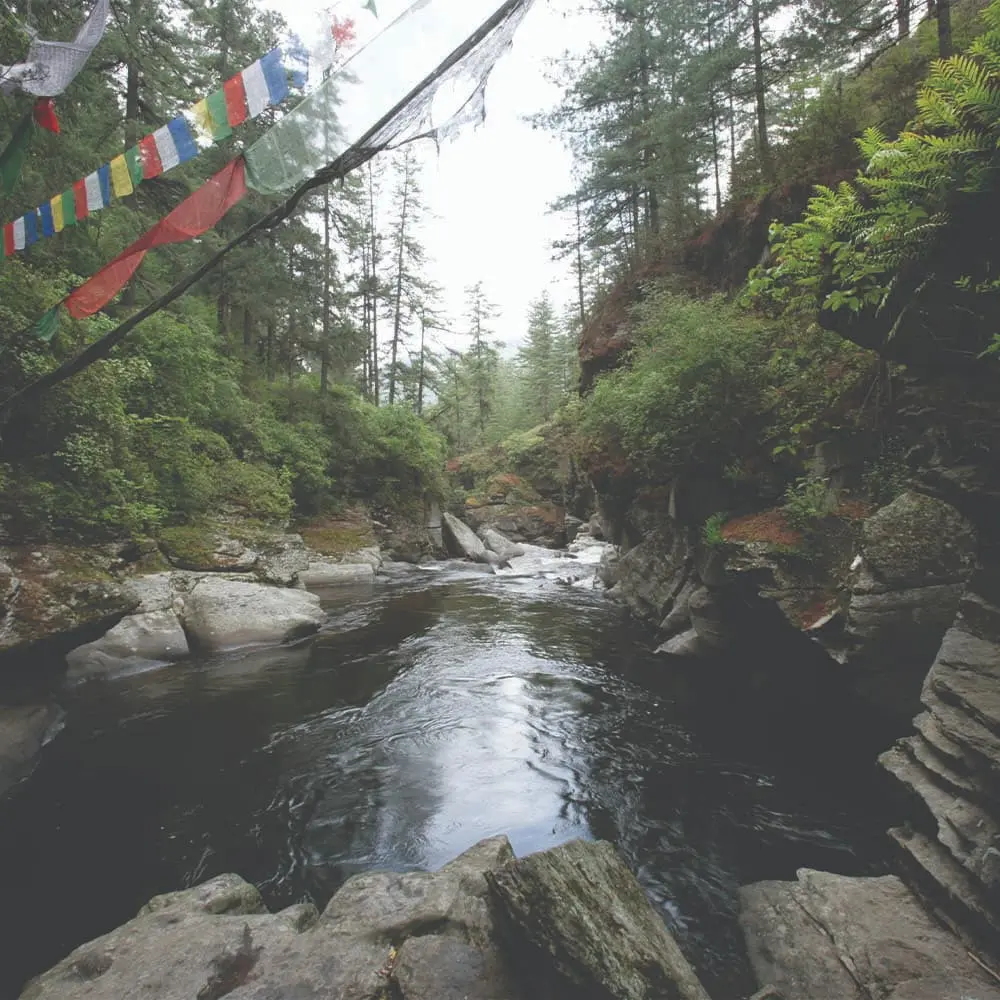
Thimphu transcends from winter’s cold as rhododendrons explode across hillsides in reds, pinks, and whites. Temperatures range from 10-20°C, skies alternate between crystal clarity and spring showers, and the city feels renewed. Farmers’ markets burst with spring vegetables, prayer flags faded by winter are replaced with bright new ones, and the valley hums with the energy of planting season.
Summer (June–August)
Monsoon brings warmth (15-25°C) and afternoon rains that wash the city clean, leaving mornings luminous and fresh. The valley turns every shade of green imaginable, wildflowers dot hillsides, and fewer tourists mean attractions feel more authentic. This is when Thimphu belongs most to its people, when rhythms slow slightly, when life feels most lived rather than observed.
Autumn (September–November)
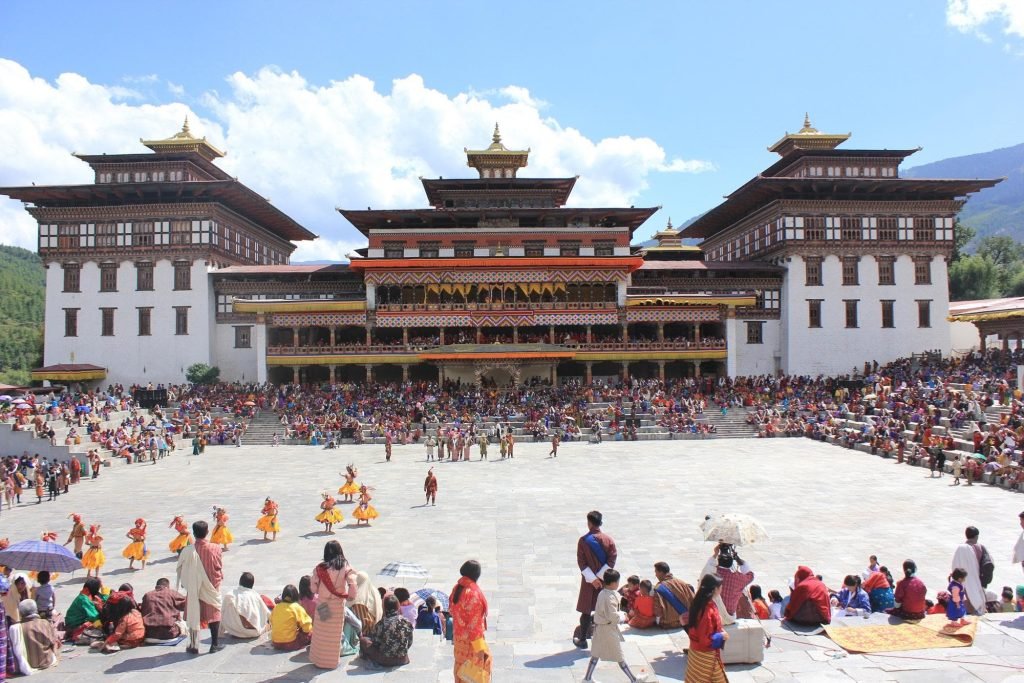
Peak season arrives with good reason. Clear skies, comfortable temperatures (10-20°C), and golden autumn light make this perfect for exploring. Most importantly, autumn brings Thimphu Tshechu, the five-day festival that transforms the city into a riot of colour, dance, and devotion.
Thimphu Tshechu occurs in the ninth Bhutanese month (typically late September or early October). Locals don their finest traditional attire, kira and gho in silks and brocades saved all year for this moment. Thousands gather at Tashichho Dzong to witness sacred masked dances performed by monks, each dance telling stories from Buddhist scripture and each movement laden with centuries of accumulated meaning. To view it is to receive blessings, to cleanse negative karma, to participate in something that transcends mere festival and becomes a genuine pilgrimage. The entire valley gathers: farmers from remote villages, city dwellers, monks, children, the elderly, all united in devotion and celebration.
Winter (December–February)
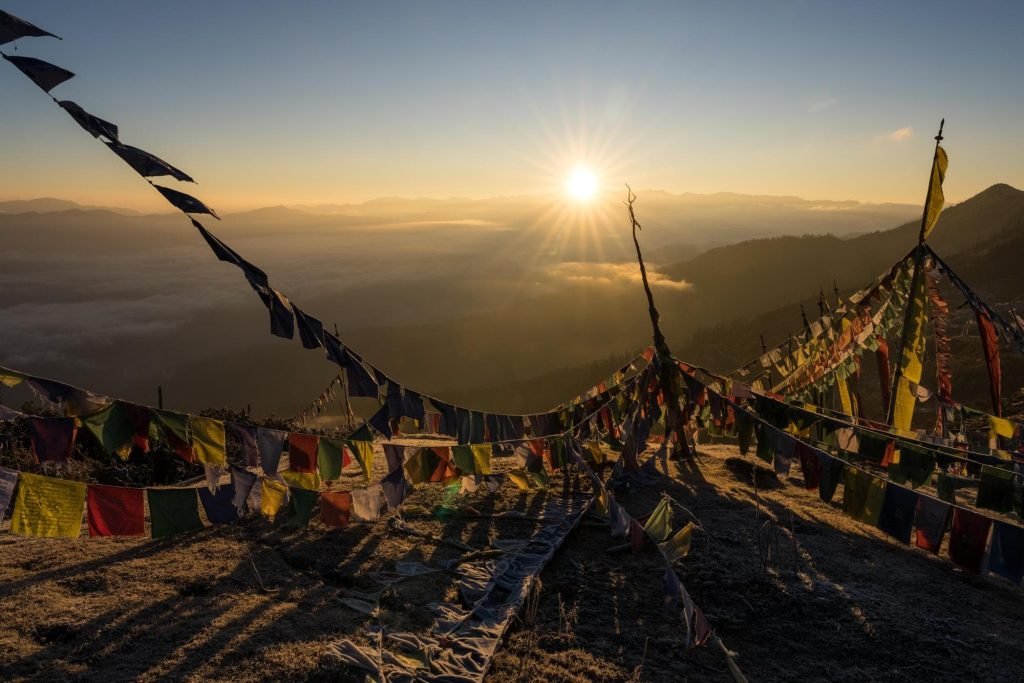
Thimphu in winter is sharp, bright, austere. Temperatures drop to -5°C at night but warm to 5-15°C by day. Snow dusts high peaks, frost transforms prayer flags into sculptures of ice, and smoke from bukhari (traditional wood stoves) curls from every building into crystalline air.
On December 17th, the city observes National Day, commemorating the establishment of the monarchy in 1907. Parades, speeches, cultural performances, and flag-raising ceremonies fill the day with national pride and collective identity. This is when Bhutan most clearly expresses what it means to be Bhutanese: proud of tradition, confident in sovereignty, committed to a path that defies easy categorization.
Thimphu’s signature shamdray is a traditional Bhutanese fried rice dish, typically prepared with red rice, butter, minced beef, garlic, ginger, and fresh onion shoots. Rich and hearty, it captures the comforting, bold flavors of Bhutanese home cooking. The dish is traditionally enjoyed alongside a cup of suja (butter tea), completing a deeply satisfying local meal.
Our focus in Thimphu is its soul. We recommend spending two to three days experiencing the city as locals do.
Our guides are Thimphu residents whose families have lived here for generations. This is Thimphu beyond the postcard, intimate, alive, and unforgettable.
Thimphu is for travellers who want to see how Bhutan actually works. Bhutan, the functioning Buddhist nation, somehow thrives in the 21st century while staying true to values older than modernity itself.
It is perfect for:
If Paro is where Bhutan greets the world and Haa is where it retreats into solitude, Thimphu is where Bhutan lives, fully, unapologetically, successfully navigating the impossible balance between ancient and modern, isolated and connected, spiritual and pragmatic.
The city invites you to witness an experiment in conscious development, to see whether a nation can remain true to itself while engaging with a world that demands conformity. Four decades into this experiment, Thimphu stands as proof that there are alternative ways to organize human society, to define progress, and to live.
Ready to discover where Bhutan’s heart beats? Explore our Essentials, Signature, and Luxe Bhutan packages, or discover our specialized Photography, Festival, and Family & Wellness extensions. Speak with our travel consultants to craft your perfect Thimphu experience, we will show you not just what Thimphu is, but what it means.