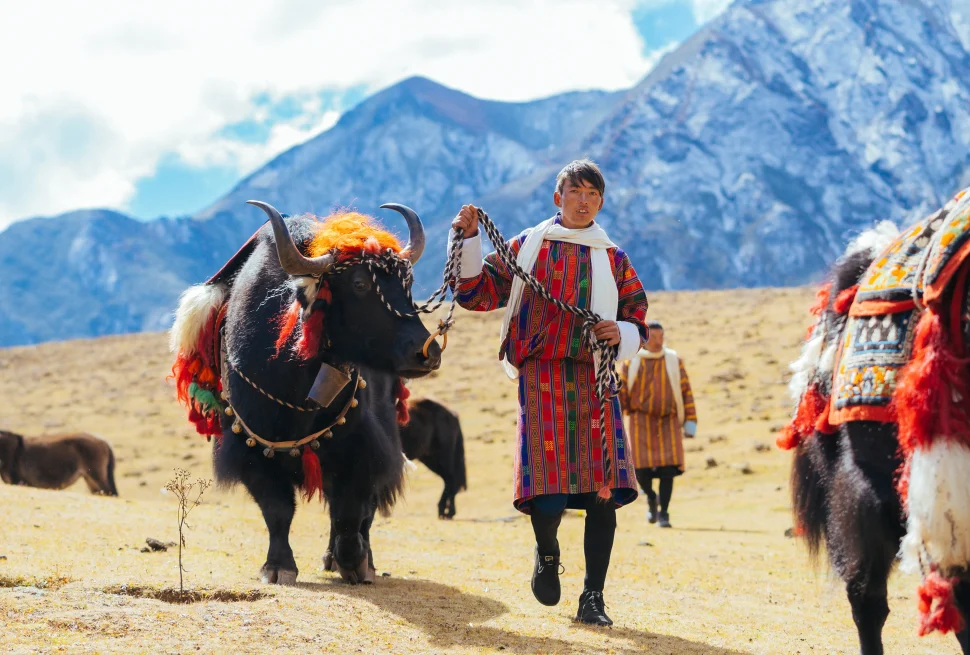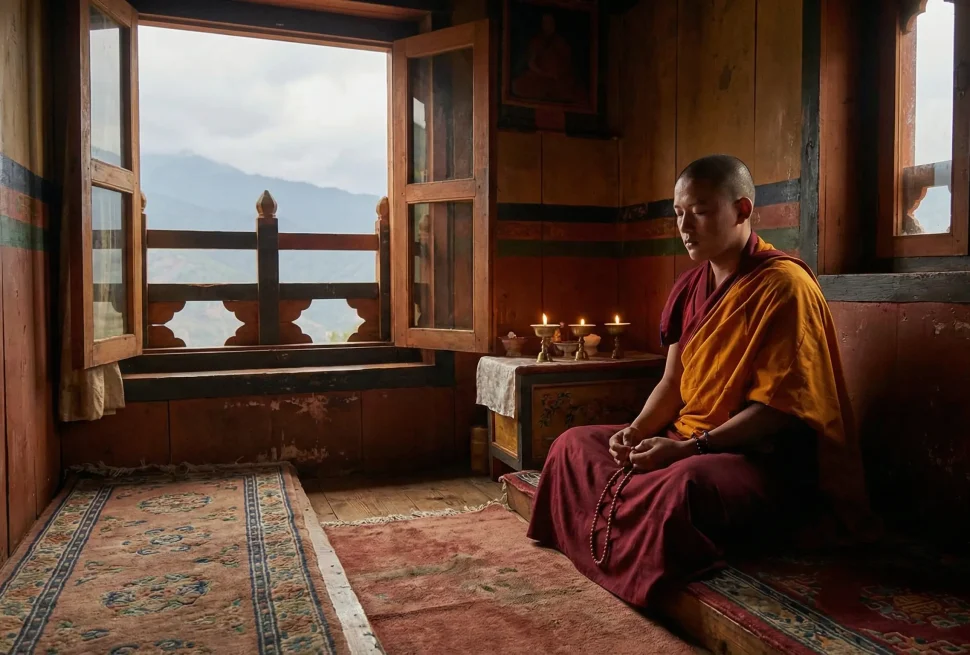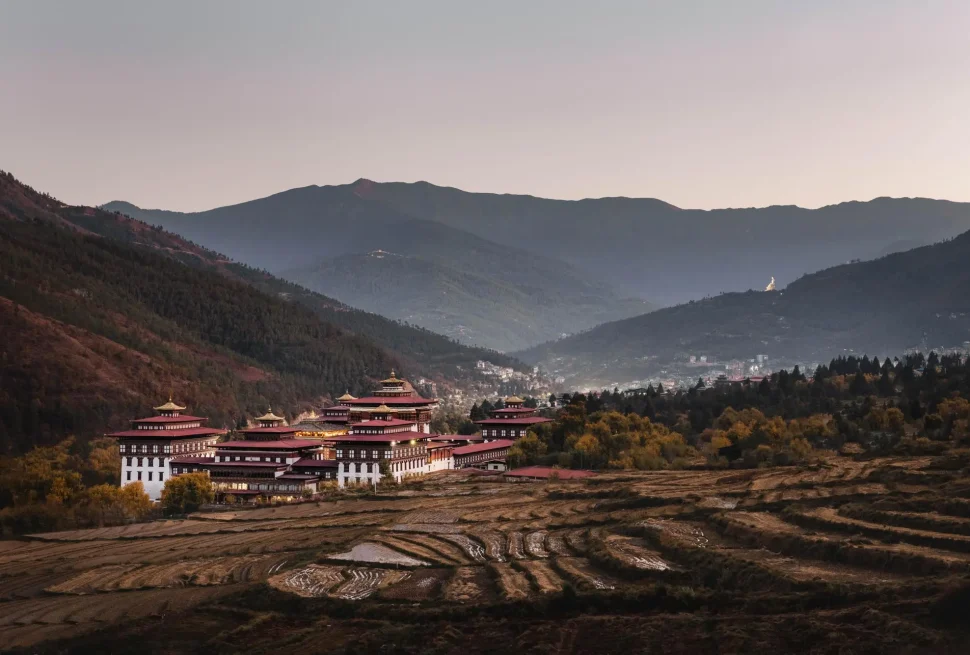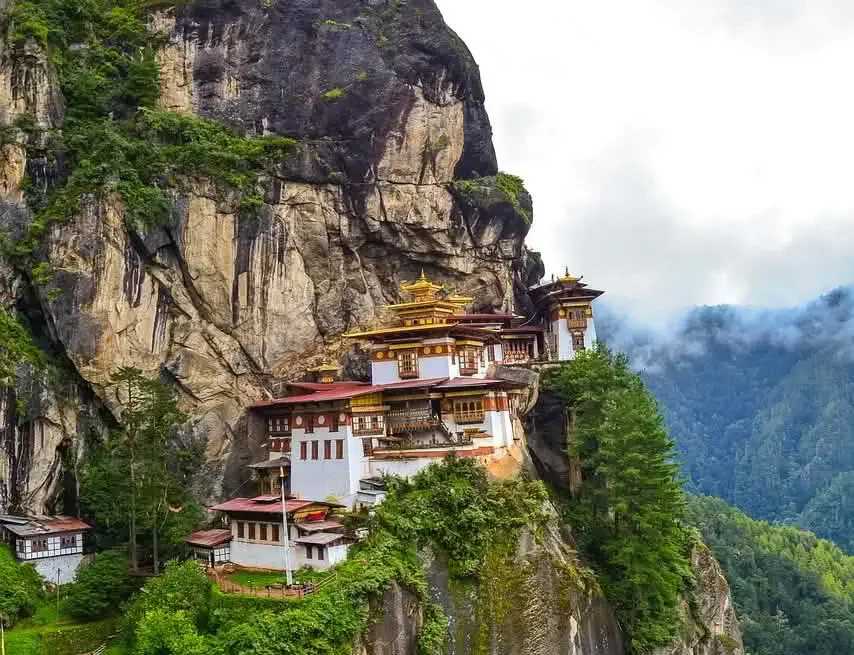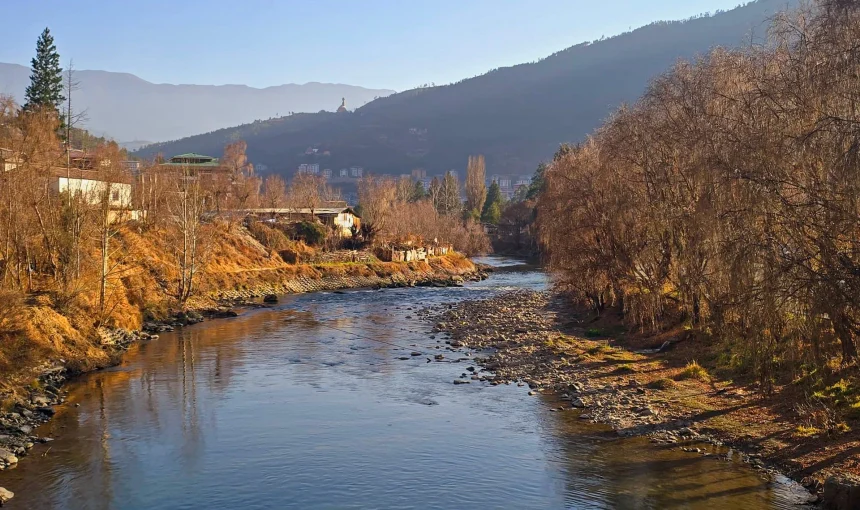
Unlike popular holiday destinations, Bhutan is a country that has deliberately chosen quality over quantity in its approach to tourism, offering one of the most authentic and unspoiled travel experiences in the world. With its “high value, low impact” philosophy, Bhutan’s tourism model prioritises creating meaningful experiences for fewer visitors while preserving its rich culture and pristine environment. As a result, visiting Bhutan does require a bit more planning, but this is all part of ensuring a respectful and sustainable experience. In this blog, we will guide you through everything you need to know because once you understand the system, you will see just how simple and rewarding the journey can be.
Step 1: Visa Requirements: Fast and Simple Process
All international travellers, except citizens of India, Bangladesh, and the Maldives, require a visa to enter Bhutan.
Fortunately, Bhutan now offers a streamlined e-Visa system:
- Apply online through Bhutan’s official e-Visa portal
- Upload a passport valid for at least 6 months from your arrival date
- Include a recent passport-sized photo
- Pay a $40 USD visa fee
Visas are processed in about 3 working days, and once approved, you’ll receive a visa clearance letter. You must present this letter at the airport to receive your entry stamp.The initial visa is issued for 7 days, and can be extended up to 90 days through the same online portal.
Indian nationals can obtain a permit at the port of entry with the Passport or Voter ID.
Bangladeshi and Maldivian citizens can receive a visa on arrival.
Step 2: Pay the Sustainable Development Fee (SDF)
As part of Bhutan’s commitment to sustainability and well-being, visitors pay a Sustainable Development Fee (SDF) of $100 USD per night. Valid until: Promotional rate in place through August 31, 2027
- Children under 5: Free
- Children aged 6–12: 50% discount
This fee supports:
- Free education and healthcare
- Environmental conservation programs
- Preservation of cultural heritage sites
- Infrastructure development in remote areas
Remarkably, even tourists are covered by Bhutan’s healthcare system, if you fall ill during your stay, you will receive free medical care.
The SDF is paid during the visa application process, making it a simple and seamless process.
Step 3: Local Guides Are Required (And Wonderful)
In Bhutan, all international travellers are required to travel with a licensed local guide. The Guides will:
- Help you connect with local communities
- Explain cultural and spiritual traditions
- Handle logistics, permits, and language barriers
- Make your trip smoother and more insightful
Most travellers say their guide becomes the highlight of their trip, a storyteller, interpreter, and friend who makes the journey truly unforgettable.
At Omba Travel, we connect you with passionate, knowledgeable guides who bring Bhutan to life, respectfully, soulfully, and meaningfully.
Step 4: Book Your Flight to Bhutan
Bhutan’s only international airport is in Paro, famous for being one of the most beautiful and challenging airports in the world. Only specially trained pilots fly here, adding to the exclusivity of the journey.
Airlines:
- Druk Air (Royal Bhutan Airlines)
- Bhutan Airlines
Most common flight routes:
- India: Delhi, Kolkata, Guwahati, Bagdogra
- Nepal: Kathmandu
- Thailand: Bangkok
- Singapore: Changi Airport
- Bangladesh: Dhaka
- Malaysia: Kuala Lumpur
- UAE: Dubai (seasonal)
Important Tip: Flights to Paro are weather-dependent. Delays and cancellations are common during monsoon (June–August) and winter (December–February). Build buffer days into your itinerary.
The tickets can be booked directly with the airline, or a travel agent like Omba Travel can handle on your behalf.
Step 4: Accommodation Options
For those looking to immerse themselves in Bhutanese culture, homestays provide an authentic window into daily life. Often located in rural regions like Haa, Bumthang, and Paro, these family-run homes offer basic but clean facilities, traditional home-cooked meals, and a chance to participate in local customs, farming, and even village rituals. Homestays are ideal for cultural enthusiasts and conscious travelers seeking genuine connection, and many are recognized by the Tourism Council of Bhutan to ensure a minimum standard of quality and safety.
Boutique hotels and heritage lodges, typically built using traditional Bhutanese materials like rammed earth and timber, offer a charming blend of rustic design and modern amenities. These properties often focus on personalized service, cultural storytelling, and wellness, with locally sourced meals, organic gardens, and beautifully designed courtyards or meditation spaces. For travelers who value authenticity but also appreciate a touch of style and comfort, these mid-range boutique accommodations provide an ideal balance.
Mid-range hotels, which are commonly used by tour operators, offer reliable comfort and good value. These hotels generally include private bathrooms, hot showers, room heaters in winter, Wi-Fi, and attentive staff. Most include breakfast and dinner as part of the package, making it easy to enjoy Bhutanese cuisine without worrying about where to eat. Popular among families, couples, and group travellers, these properties are often located near key attractions and provide a consistent, hassle-free experience.
At the top end of the scale, Bhutan is home to a handful of internationally acclaimed luxury resorts that are deeply integrated into the local environment and culture. Brands such as Amankora, Six Senses Bhutan, COMO Uma, and Bhutan Spirit Sanctuary offer world-class wellness facilities, private villas, curated experiences, and unrivalled views of the Himalayan landscape. These luxury stays often include spa treatments, personal butlers, private guides, and gourmet dining, making them perfect for honeymooners, wellness seekers, or anyone looking to disconnect and indulge in peace and nature.
Step 5: Additional information that is good to know
Best Time to Visit Bhutan ( click here to read more about when to travel)
Bhutan’s high seasons are Spring (March–May) and Autumn (September–November), when the weather is at its best with clear skies, blooming landscapes, and vibrant festivals like the famous Paro Tshechu. These months are ideal for trekking and cultural exploration. The low seasons, Summer (June–August) and Winter (December–February) offer fewer crowds and potential discounts, with lush green valleys during the monsoon and crisp mountain air in winter. For those seeking unique experiences, the Black-Necked Crane Festival in winter is a quiet yet deeply meaningful cultural highlight.
Respectful Travel in Bhutan: Essential Etiquette
When visiting Bhutan, showing respect for local customs and religious traditions is essential for meaningful cultural engagement. Dress modestly when visiting temples and dzongs (fortress-monasteries) by covering shoulders and avoiding shorts or short skirts, as this reflects the sacred nature of these spaces. Always walk clockwise around religious objects such as chortens (Buddhist shrines) and prayer wheels, following this ancient practice that shows reverence and aligns with Buddhist tradition. Remove your shoes before entering any sacred space, including temple halls and prayer rooms, and avoid pointing directly at people or religious artifacts with your finger, as this is considered disrespectful in Bhutanese culture instead, gesture with an open hand or nod to indicate direction. Be mindful of photography restrictions, which are common in temples and religious sites where many sacred spaces prohibit photos inside to maintain their sanctity and protect ancient artwork, and always ask permission before photographing people, especially monks or during religious ceremonies. These practices reflect Bhutan’s deep Buddhist heritage and the country’s commitment to preserving its spiritual traditions.
Health & Safety
When traveling to Bhutan, it’s important to be aware of the altitude, especially in places like Paro and Thimphu, which sit at around 2,300 meters above sea level. Most visitors adjust well, but it’s wise to take it easy on your first day, stay hydrated, and avoid strenuous activity until you acclimatize. Travel insurance is strongly recommended, as it covers unexpected issues like delays or medical emergencies. That said, Bhutan provides free emergency medical care even for tourists, a rare and generous benefit. Be sure to bring any essential personal medications with you, as pharmacies may be limited in remote areas and not all brands are available.
Money Matters
Bhutan’s currency is the Bhutanese Ngultrum (BTN), which is pegged to the Indian Rupee (INR) at equal value. Indian Rupees are widely accepted throughout the country, especially in shops and markets. While ATMs are available in major towns like Thimphu and Paro, they can be unreliable, and cash is essential when travelling to rural areas. Credit cards are accepted at some hotels and tourist-focused shops, but usage is limited outside urban centers, so it’s best to carry sufficient cash for daily expenses.
Connectivity
For staying connected in Bhutan, it’s best to buy a local SIM card from providers like TashiCell or B-Mobile, available at the airport or in town. These SIMs offer affordable data packages ideal for short-term visitors. Wi-Fi is available in most hotels and guesthouses, but connection speeds can vary, especially in remote areas. To stay prepared, it’s a good idea to download offline maps, travel guides, and translation apps in advance, ensuring you have access to key information even without a strong signal.
Packing Tips
When packing for Bhutan, it’s best to dress in layers, as temperatures can vary throughout the day, mornings and evenings can be especially chilly, even in warmer months. Bring sturdy walking shoes for hikes and temple visits, along with sunblock and a reusable water bottle to stay protected and hydrated. Pack light, but ensure your clothing is modest, long pants and covered shoulders are recommended, especially when visiting religious sites. If you are travelling during the monsoon season (June–August), don’t forget to include a lightweight rain jacket or umbrella to stay dry.
Why Travel with Omba Travel?
Planning a trip to Bhutan can feel overwhelming at first, visas, SDF, flights, permits, guides but you don’t have to figure it out alone.
Omba Travel specializes in:
- Visa application and SDF support
- Tailor-made itineraries
- Flight bookings
- Local guide matching
- Unique cultural experiences
- Responsible and ethical tourism
We don’t just organize trips, we create transformational journeys that align with Bhutan’s values and your travel dreams.
Final Thoughts
Bhutan is often perceived as complex or bureaucratic, but its policies are carefully designed to protect something extraordinary, a nation that prioritizes happiness, sustainability, and authenticity above everything else. A visit to Bhutan is not merely a destination; it is in a country that deliberately chooses depth over speed and soul over spectacle.
Whether you are captivated by the cliffside monasteries of Paro, the pristine wilderness of Bumthang, or the gentle rhythm of village life, Bhutan offers a transformative approach to travel. Here, the journey becomes slow, intentional, and profoundly meaningful, a rare opportunity to experience a world where ancient wisdom guides modern living, and where the pursuit of Gross National Happiness creates space for genuine human connection and spiritual reflection.