
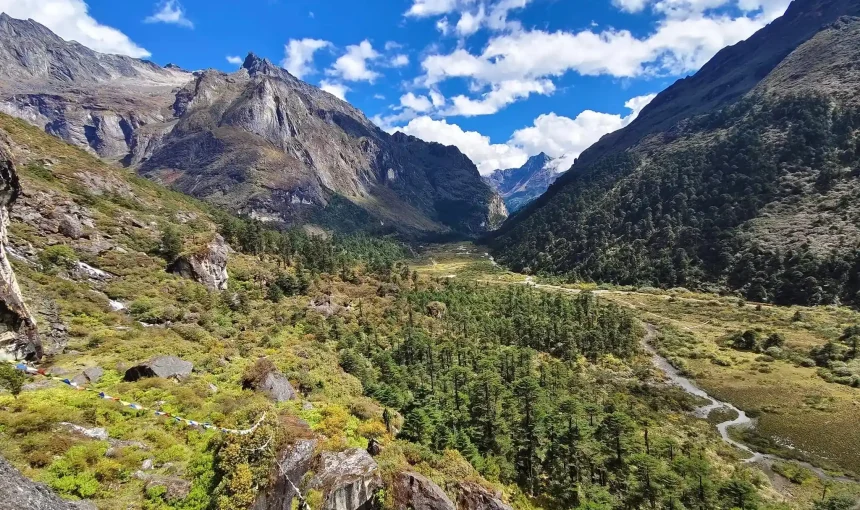
When it comes to trekking, few places in the world offer the profound beauty, cultural richness, and spiritual depth that Bhutan does. With its dramatic landscapes, sacred mountains, ancient monasteries, and deeply rooted cultural traditions, Bhutan is a paradise for those seeking a trekking experience that transcends the physical and touches the spiritual.
Trekking in Bhutan is more than just a hike through the Himalayas, it’s a journey through sacred valleys, a connection to remote communities, and a rare chance to witness a way of life that remains beautifully untouched by the pace of modernity. Whether you are a seasoned mountaineer or a culture-driven adventurer, these ten incredible multi-day treks will challenge and inspire you.
1. Snowman Trek
The Snowman Trek is not for the faint of heart. Spanning over 25 days and covering 356 kilometers, this is considered one of the most difficult treks in the world. It crosses 11 high passes, most above 4,500 meters, and ventures deep into the Lunana region of northern Bhutan, one of the most isolated areas in the country.
But with difficulty comes immense reward. You will walk through remote villages where locals live in perfect harmony with nature, pass glaciers, turquoise lakes, and be surrounded by snow-capped peaks like Gangkar Puensum, the world’s highest unclimbed mountain. The sheer remoteness of the Snowman Trek makes it a rare and deeply spiritual journey.
2. Jomolhari Trek
This 7–9 day trek is a favorite among those who want a strong Himalayan experience without the extreme challenge of the Snowman. Beginning in Paro, the trail leads you through rhododendron forests, yak herder camps, and alpine meadows until you reach the base of Mount Jomolhari (7,326m) sacred to both Bhutanese Buddhists and Tibetan pilgrims.
From the Jangothang base camp, you will enjoy views of Jichu Drake and Tshering Gang peaks. This trek provides a perfect mix of cultural immersion, scenic beauty, and moderate challenge, making it ideal for trekkers seeking balance.
3. Laya-Gasa Trek
Extending from the Jomolhari trail, this 12-day journey continues deeper into the remote highlands. You will reach Laya, home to the semi-nomadic Layap people known for their unique conical bamboo hats and warm hospitality.
The trek concludes in Gasa, famous for its natural hot springs, a perfect way to soothe tired muscles after days of walking. With views of peaks like Masagang and Gangchhenta, the Laya-Gasa Trek is a cultural and scenic treasure.
4. Druk Path Trek
Perfect for those with limited time, the Druk Path Trek is a 5–6 day trail that connects Paro to Thimphu. Despite its brevity, this trek offers an incredible introduction to Bhutan’s natural and cultural beauty.
You will hike past ancient fortresses like Jele Dzong, camp beside alpine lakes, and on clear days, catch glimpses of Mount Gangkar Puensum. This trail is less strenuous, making it ideal for novice trekkers and families.
5. Dagala Thousand Lakes Trek
A 6-day off-the-beaten-path adventure, the Dagala Thousand Lakes Trek takes you through an area rarely visited by tourists. The trail winds past crystal-clear high-altitude lakes believed to be inhabited by protective deities.
With panoramic views of Mount Everest, Kanchenjunga, and Bhutanese peaks like Jomolhari, the Dagala Trek is perfect for solitude seekers who want quiet reflection amid the majesty of the Himalayas. The route also offers excellent trout fishing in season.
6. Bumthang Cultural Trek
More spiritual than strenuous, the Bumthang Cultural Trek lasts 3–4 days and journeys through the spiritual heartland of Bhutan. You will walk between historic temples like Jambay Lhakhang and Kurjey Lhakhang, pass through traditional farms, and perhaps witness locals performing age-old rituals.
The region is associated with great Buddhist saints, including Guru Rinpoche and Pema Lingpa. This trek is ideal for those more interested in Bhutan’s living heritage and stories than altitude gains.
7. Merak-Sakteng Trek
Located in the far eastern region of Trashigang, this 6–7 day trek is a journey into the land of the Brokpa people, yak herders who have preserved a unique way of life for centuries. Their distinct language, attire, and customs make this cultural trek one of Bhutan’s most enriching experiences.
The trail passes through the Sakteng Wildlife Sanctuary, home to rare species like the red panda and possibly even the mythical yeti. With gentle gradients and opportunities for cultural exchange, this trek is unforgettable.
8. Duer Hot Springs Trek
This challenging 8–9 day trek begins in Bumthang and leads to some of Bhutan’s most remote hot springs. The trail is rugged, with multiple high-altitude passes and river crossings, but the rewards are rich.
At the trek’s end, the Duer Tsachu hot springs offer the perfect blend of physical recovery and spiritual cleansing. The surrounding wilderness is untouched, providing a rare opportunity to immerse in Bhutan’s wild heart.
9. Soi Yaksa Trek
Also known as the Jumolhari Loop or Yaksa Trek, the Soi Yaksa trail is perfect for trekkers seeking stunning Himalayan views without the longer commitment of extended routes. This 5–6 day trek offers spectacular sights of Mount Jumolhari and Jichu Drake, with the added adventure of high-altitude passes.
From Jangothang base camp, the trail continues past the stunning turquoise Tshophu Lake (4,380m), up to the breathtaking Bhonte La Pass (4,890m), and onward to the Thombu La Pass (4,380m). On a clear day, you’ll be rewarded with distant views of the Kanchenjunga range in neighboring Sikkim. Short, scenic, and spiritually fulfilling.
10. Sinchula Trek
A 4-day trail connecting Thimphu to Punakha, the Sinchula Trek is perfect for travelers who want a short, scenic trek rich in history. You will pass by ancient temples like Lungchutse Lhakhang, enjoy views of Dochula Pass, and walk through rhododendron forests and remote hamlets.
This trek offers a gentler challenge and is well-suited to families or those easing into trekking in Bhutan.
Essential Trekking Tips
- Go with a local guide: Bhutanese law requires all treks to be organized through a licensed tour operator. This ensures your safety, supports local livelihoods, and allows for cultural immersion.
- Altitude matters: Acclimatize properly, especially for treks above 3,000 meters. Hydrate well and don’t rush.
- Best seasons: March–May (spring) and September–November (autumn) offer clear skies, good visibility, and moderate weather.
- What to pack: Layers are key, include a waterproof jacket, thermal base layers, gloves, sun protection, and a hat. A personal medical kit and water purification tablets are also essential.
- Respect the culture: Dress modestly and always ask before taking photos of locals. Many sacred sites require you to remove shoes and cover shoulders.
Conclusion
Trekking in Bhutan is a pilgrimage through time, culture, and raw natural beauty. Unlike more commercialized trekking destinations, Bhutan’s trails remain deeply connected to the land and its people. Whether you’re standing in awe of snow-draped peaks, sipping butter tea with a yak herder, or spinning prayer wheels at a mountain monastery, every step here is filled with meaning.
For the adventurous at heart and the curious of spirit, these ten treks offer not only stunning views and physical challenges but a rare invitation into Bhutan’s soul. Come prepared, walk respectfully, and you may just leave with more than memories, you might return with a deeper understanding of harmony, simplicity, and joy.