Note: This tour requires individual travelers to book domestic flight at additional cost
[wte_itinerary_downloader]
-
Car (Fairly New SUV)
-
3 Star Hotel
-
English Speaking Guide
-
3579
Overview
This 10-day tour invites you to experience the rich tapestry of Bhutanese culture like never before. It covers west to east part of Bhutan enabling travelers to experience approximately 70% of what Bhutan offers to traveler. Begin your adventure in Thimphu, where the harmonious blend of tradition and modernity sets the stage for your journey. As you travel to Trongsa, delve into the historical significance of its dzong and the legacy of Bhutan’s rulers.
The spiritual heart of Bhutan unfolds in Bumthang, where sacred temples echo the nation’s spiritual depth. As you venture into the less-traveled eastern valleys of Mongar, Lhuntse, Trashigang, and Trashiyangtse, you’ll engage with local artisans, experience vibrant festivals, and uncover rich folklore that has been passed down through generations. Connect with welcoming communities, savor traditional cuisine, and witness age-old craftsmanship in action. End the tour in the picturesque Paro Valley, visiting the iconic Taktsang Monastery.
This immersive journey encapsulates the essence of Bhutan’s unique culture, offering a rare opportunity to explore the country’s hidden gems and engage with its people. Experience the profound spirituality, vibrant traditions, and natural beauty that define this mystical kingdom, leaving you with memories that will last a lifetime.
Highlights
- Explore the country’s hidden gems and engage with local, experience vibrant festivals, and uncover rich folklore that has been passed down through generations in Mongar, Lhuntse, Trashigang, and Trashiyangtse.
- Visit iconic spiritual landmarks and sacred temples in Paro Bumthang, Lhuntse and Trashiyangtse connecting deeply with Bhutan's rich spiritual heritage.
- Experience the profound spirituality, vibrant traditions, natural beauty and local food.
Itinerary
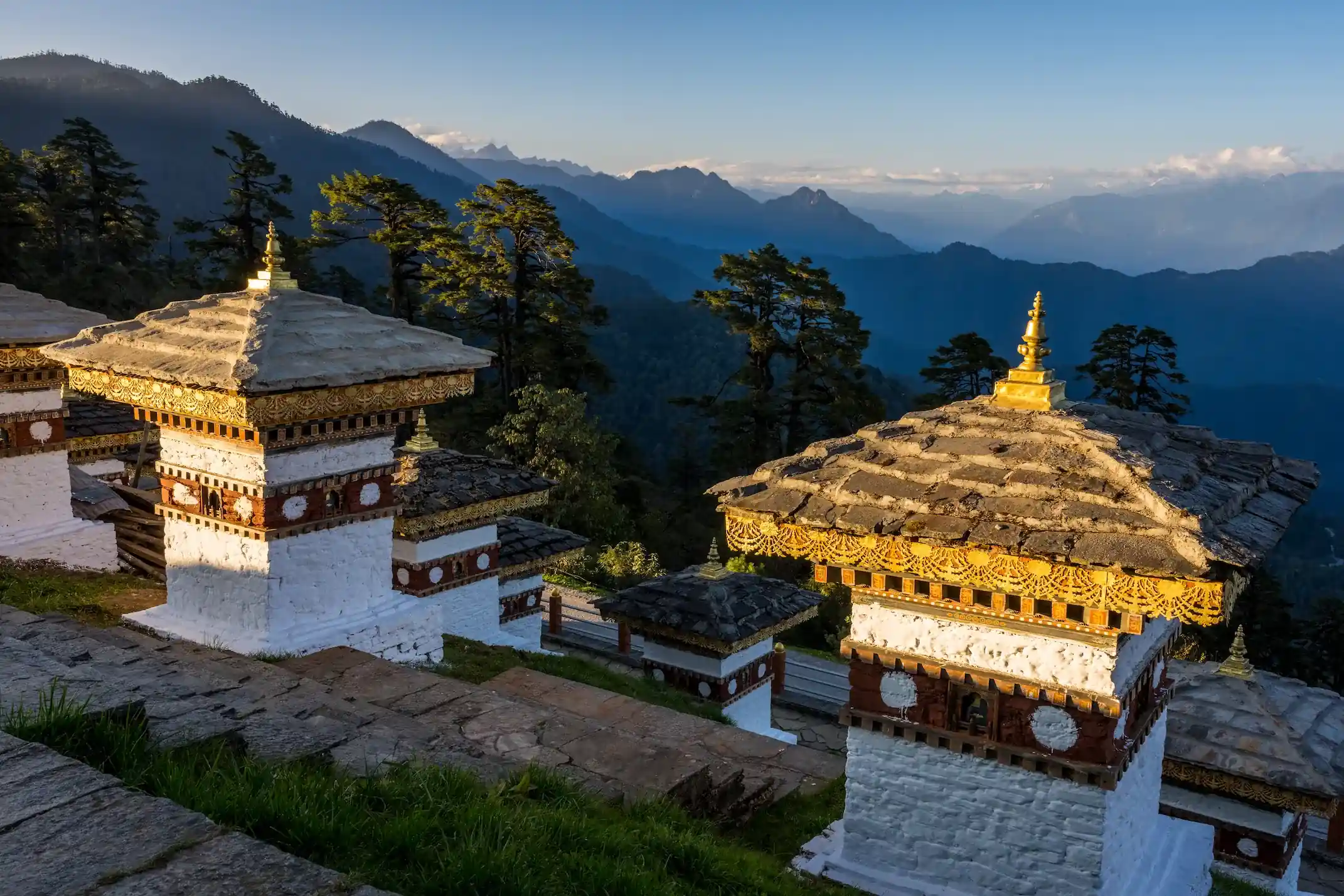
- Arriving at Paro International Airport offers one of the most unique landing experiences, with breathtaking views of the majestic Himalayas welcoming you to Bhutan.
- After settling in, spend your afternoon wandering through the charming streets of Paro town, exploring local shops that showcase the vibrant culture and crafts of the region.
- A visit to the majestic Rinpung Dzong is a highlight, where you can admire its intricate architecture, soak in panoramic views of the surrounding valley, and experience the serene spiritual atmosphere that envelops this historic fortress.
Paro Rinpung Dzong, meaning "Fortress on a Heap of Jewels," is a historic fortress in Bhutan's Paro Valley, built in 1644 by Zhabdrung Ngawang Namgyal on the site of an earlier monastery. Serving as a key religious, administrative, and military center, it played a crucial role in defending the valley from Tibetan invasions. Despite damage from natural disasters, including a major fire in 1907, it has been carefully restored over time. Today, it remains an important cultural landmark and is the venue for the annual Paro Tsechu, one of Bhutan’s most celebrated religious festivals.
- As the day winds down, indulge in a delicious traditional Bhutanese meal of your choice, savoring the flavors of the local cuisine and preparing for the adventures that await you the following day.
- Take a short and scenic domestic flight from Paro Airport to Bumthang Airport, where you'll enjoy stunning aerial views of the Himalayas as you soar over the beautiful landscapes of Bhutan. The overland journey between Paro and Bumthang spans approximately 320 kilometers and can take 8 to 10 hours due to the mountainous terrain and winding roads. In contrast, the flight takes only about 30 minutes, giving you more time to explore and immerse yourself in the local culture.
- Upon arrival, our guide and driver will pick up and check into your hotel in Bumthang.
- Bumthang valley, the spiritual heartland, is nestled in the central part of the country and is home to some of Bhutan's oldest temples and monasteries, making it a significant pilgrimage site.
Bumthang Valley – The Spiritual Heartland of Bhutan
Bumthang Valley, located in central Bhutan, is considered the spiritual and cultural heart of the country. Comprising four main valleys—Chokhor, Tang, Ura, and Chhume—Bumthang is home to some of Bhutan's oldest and most sacred monasteries and temples.
Rich in legend and history, Bumthang is closely associated with Guru Rinpoche (Padmasambhava), who is believed to have subdued evil spirits in the region during the 8th century. One of the most important sites is Jambay Lhakhang, believed to have been built in the 7th century by Tibetan King Songtsen Gampo, making it one of the oldest temples in Bhutan.
The valley is also known for Kurjey Lhakhang, where Guru Rinpoche left his body imprint on a rock. Tamshing Monastery, founded by Terton Pema Lingpa, is another significant religious site in the area.
Apart from its spiritual importance, Bumthang is admired for its picturesque landscape, traditional lifestyle, and production of local handicrafts such as yathra (handwoven woolen textiles). With its serene atmosphere and deep spiritual heritage, Bumthang is a vital center for Bhutanese religion, history, and culture.
- We will begin by visiting Kurjey Lhakhang, one of the most sacred monasteries in Bumthang:
Kurjey Lhakhang – A Sacred Site in Bumthang
Kurjey Lhakhang is one of the most sacred and revered monasteries in Bhutan, located in the Chokhor Valley of Bumthang. The name Kurjey means "body imprint" in Dzongkha, referring to the body print of Guru Rinpoche (Padmasambhava) left on a rock inside one of the temples.
According to legend, in the 8th century, Guru Rinpoche visited the site to subdue a powerful demon that was causing illness to a local king, Sindhu Raja. He meditated in a cave and successfully subdued the spirit, leaving his body imprint on the rock as a sign of his spiritual power. This event marked a turning point in the spread of Buddhism in Bhutan.
Kurjey Lhakhang complex consists of three main temples:
The oldest temple, built in 1652 by Minjur Tenpa, the first Trongsa Penlop, is constructed around the sacred cave containing Guru Rinpoche’s body imprint.
The second temple, built by Ugyen Wangchuck (the first king of Bhutan) in 1900, stands next to the original.
The third and newest temple, built in the 1980s under the patronage of Queen Mother Ashi Kesang Choden Wangchuck, completes the complex.
Kurjey Lhakhang is not only a place of pilgrimage for Bhutanese people but also a key site during religious festivals like the Kurjey Tsechu, which features sacred mask dances and rituals.
Surrounded by towering cypress trees and traditional prayer flags, Kurjey Lhakhang remains a powerful spiritual destination, deeply connected to Bhutan’s Buddhist heritage and Guru Rinpoche’s legacy.
- Next, we will also visit Jambay Lhakhang:
Jambay Lhakhang is one of Bhutan’s oldest and most sacred temples, located in the Bumthang Valley. It was built in the 7th century by Tibetan King Songtsen Gampo as part of a network of 108 temples constructed across the Himalayan region to subdue a demoness and promote the spread of Buddhism. Among these, two temples were built in Bhutan—Jambay Lhakhang in Bumthang and Kichu Lhakhang in Paro. Jambay Lhakhang is closely associated with Guru Rinpoche and other revered Buddhist masters and has been renovated and expanded over time by various Bhutanese rulers. It is also famous for hosting the Jambay Lhakhang Drup, an annual religious festival that features sacred mask dances, including the nighttime fire ritual known as Mewang. The temple continues to be an important site for spiritual practice and pilgrimage in Bhutan.
- Begin your day with a unique experience at Kharchu Dratshang, where you can witness and participate in the morning rituals alongside the monks, immersing yourself in the spiritual atmosphere.
Lhodrak Kharchu Monastery, also known as Kharchu Dratsang, is a major Nyingma Buddhist monastery located on a hillside above Chamkhar town in Bhutan’s Bumthang District. Founded in the early 1980s by Namkhai Nyingpo Rinpoche, the monastery is rooted in the spiritual lineage of Padmasambhava, a revered figure in Tibetan Buddhism. The monastery plays a significant role in the preservation and promotion of the Nyingma tradition and has become a center for spiritual education and practice in central Bhutan.
Architecturally built in the traditional Dzong style, the monastery complex includes prayer halls, meditation centers, and residential quarters for its approximately 250 monks. It serves as a vibrant spiritual hub with daily rituals, prayer sessions, and annual religious festivals. Surrounded by forest and offering sweeping views of the Bumthang Valley, Kharchu Dratsang is not only a sacred site for Buddhists but also a peaceful destination for visitors seeking insight into Bhutanese monastic life.
- Following this, embark on a hike to Tamshing Goemba:
Tamzhing Goenpa, also known as Tamzhing Lhündrup Monastery, is a historic and sacred Nyingma Buddhist monastery in Bumthang, Bhutan. Founded in 1501 by the revered saint and treasure revealer Pema Lingpa, it remains one of the most important religious sites in the country. The monastery houses ancient relics, self-manifested statues, and original 15th-century murals attributed to Pema Lingpa himself. It is particularly famous for its annual Tamzhing Phala Choepa festival, featuring sacred mask dances (cham) that preserve centuries-old traditions. Recognized by UNESCO for its intangible cultural heritage, Tamzhing Goenpa offers a deeply spiritual experience in an authentic, less-commercialized setting.
Located near Jakar in the Choekhor Valley, the monastery is a key pilgrimage site for Bhutanese Buddhists and visitors seeking a connection to Bhutan’s spiritual roots. Its architecture, art, and rituals remain largely untouched by modernity, making it a living testament to Pema Lingpa’s legacy. A visit to Tamzhing Goenpa provides a rare glimpse into Bhutan’s rich religious history and vibrant monastic culture.
In the afternoon, set out on a hike to the picturesque Thangbi Valley, crossing a suspension bridge to visit the Thangbi Lhakhang, a serene monastery established in the 14th century.
- The journey continues with a two-hour drive to Tang Valley, where we will visit the renowned Me-Bar Tsho (Flaming Lake):
Membar Tsho (Burning Lake), a sacred pool in Bhutan’s Tang Valley, is renowned for its association with the 15th-century tertön Pema Lingpa, who, guided by a vision of Guru Rinpoche, retrieved hidden Buddhist treasures (terma) from its depths. According to legend, Pema Lingpa plunged into the lake holding a butter lamp, emerging unscathed with sacred relics while the flame remained miraculously lit—proving his divine mission and solidifying the site’s spiritual significance. Today, this hallowed spot, marked by prayer flags and a small shrine, remains a key pilgrimage destination, embodying Bhutan’s rich religious history and the enduring legacy of its treasure-revealing saints.
- As the day comes to a close, check into the Ugyen Choling Palace, a historic gem built in the 17th century by Deb Tsokey Dorji, a descendant of the Buddhist saint Dorje Lingpa. This national treasure, privately owned by the same family for generations, offers a unique glimpse into Bhutan's history. Its quaint museum showcases traditional living quarters, ancient utensils, and farming implements, providing insight into the lifestyle of past generations.
- In the evening, enjoy cultural entertainment as villagers gather at the palace for an evening singing and dancing. You're warmly invited to join in the festivities, making this an unforgettable experience.
- Embark on a breathtaking drive from Bumthang to Mongar, where you'll be captivated by the stunning landscapes, fertile valleys, and rich biodiversity that characterize central and eastern Bhutan.
- As you traverse the winding roads, you'll ascend Thrumshingla Pass, situated at an elevation of approximately 3,780 meters (12,400 feet) above sea level, making it one of the highest passes in Bhutan. Here, take in the panoramic views of lush hills and charming villages that dot the scenery.
- Upon your arrival in Mongar, unwind and relax after your journey, seizing the opportunity to explore your surroundings, savor local delicacies, or simply enjoy the serene ambiance that this vibrant town has to offer.
- Enjoy a scenic drive from Mongar to Lhuntse, where lush forests, magnificent wildlife, and historical significance set the stage for your adventure.
- Upon arrival, visit the impressive Lhuntse Dzong, exploring its beautiful architecture and being captivated by the intricate artwork adorning the walls and roofs.
- Continue to Takila, home to one of the largest statues of Guru Padmasambhava in Bhutan, offering a moment of reflection and reverence.
- Immerse yourself in the local weaving tradition at a workshop in Khoma, witnessing the intricate process of sustainable Bhutanese textile creation.
- After a day filled with cultural richness, return to Mongar, reflecting on the deep connections to Bhutanese heritage.
- Travel to Trashigang, Bhutan's largest eastern district, where adventure and culture await at every turn.
- Visit the majestic Trashigang Dzong, dramatically perched on a cliff overlooking the Drangme Chhu River. This 17th-century fortress offers a captivating glimpse into Bhutan's historical and administrative heart, showcasing its vital role in unifying the region
- Start your trip with a visit to Gomkora Temple, the gateway to Trashiyangtse and believed to be the meditation cave of Guru Rinpoche:
Gomphu Kora, located in eastern Bhutan about 23 kilometers from Trashigang Dzong, is a significant historical and sacred site. The name "Gomphu Kora" itself signifies "meditation cave" and "circumambulation."
Historically, the site gained prominence in the 8th century AD when Guru Padmasambhava (also known as Guru Rinpoche), who introduced Buddhism to Bhutan, meditated in a cave here. Legend recounts that he subdued a malevolent demon named Myongkhapa who had fled Tibet and was hiding within a rock at this location. After three days of meditation, Guru Rinpoche vanquished the demon, transforming it into a guardian spirit of the place.
Centuries later, around 400 years ago, a temple (Lhakhang) was built at Gomphu Kora by Ngagi Wangchuck and was consecrated by Terton Pema Lingpa, a significant figure in Bhutanese Buddhism. This further solidified the site's religious importance.
Today, Gomphu Kora is renowned for its annual festival, the Gomphu Kora Tshechu, a vibrant and culturally rich event held for three days, typically in March or April. Pilgrims and devotees from all over eastern Bhutan, and even from neighboring Arunachal Pradesh in India, gather here dressed in their finest attire to commemorate Guru Rinpoche's feat. A central ritual of the festival is the clockwise circumambulation ('kora') of the temple and the sacred rock, believed to bring good fortune and cleanse sins. The festival also serves as a significant social gathering, fostering community spirit and offering a platform for trade and celebration before the start of the agricultural season. To read more about Gomphu Kora on our blog click here
- Next, explore Trashiyangtse Dzong, a stunning fortress that offers panoramic views of the surrounding valley.
Trashi Yangtse Dzong, initially believed to be built as Dongdi Dzong in the 9th century by Gongkar Gyalpo, the grandson of a Tibetan prince, later fell into ruin before being rebuilt in the 15th century by Pema Lingpa and renamed the "Fortress of Auspicious Fortune." This strategically located dzong in eastern Bhutan, overlooking river confluences, became a significant religious and administrative center, renowned for its sacred relics like the self-arisen Chuchizhe statue and valuable Kanjur scriptures. Exemplifying traditional Bhutanese architecture, it was restored and continues to be a vibrant center of community and spiritual life, embodying the region's rich cultural and historical heritage, tracing its origins back to its initial construction centuries prior.
- Continue your journey to Chorten Kora, built to subdue a harmful demon believed to reside at the site. Experience the vibrant atmosphere during the first month of the lunar calendar, when two auspicious koras are held, allowing pilgrims to walk around the chorten for merit and witness the unveiling of a giant thongdrel:
Chorten Kora, a prominent stupa near the Kholong Chu river in Trashi Yangtse, is a significant historical and religious monument in eastern Bhutan. Built in the 1740s by Lama Ngawang Loday, the 3rd abbot of Rigsum Goenpa and nephew of Zhabdrung Ngawang Namgyal, it was modeled after the Boudhanath Stupa in Nepal to subdue a local demon and honor his late uncle. Legend recounts that a 16-year-old Khandum from Tawang, India, enshrined herself within the stupa during its construction. Today, Chorten Kora is revered and believed to be wish-fulfilling, attracting pilgrims, particularly during its annual festivals. The Dakpa Kora, held on the 15th day of the first Bhutanese lunar month (typically February/March), sees hundreds of devotees from the Dakpa community of Tawang circumambulating the chorten. Following this, the Drukpa Kora at the end of the same month involves Bhutanese from across the east in similar circumambulations, highlighting the stupa's enduring spiritual importance and its connection to both Bhutan and neighboring Arunachal Pradesh.
- Conclude your day with a visit to a traditional Bhutanese paper-making factory (Desho) or a wood-carving workshop, where skilled artisans preserve ancient techniques and craftsmanship, offering a glimpse into Bhutan's rich cultural heritage.
- Depart from Trashiyangtse and take a domestic flight to Paro from Younphula, enjoying stunning aerial views of Bhutan's landscapes as you soar through the skies.
- Upon arrival at Paro International Airport, take a moment to appreciate the unique landing experience amidst the majestic Himalayas.
- Embark on an iconic hike to Taktsang Monastery (Tiger's Nest), where breathtaking views of the Paro Valley await, offering a profound spiritual experience at one of Bhutan's most significant pilgrimage sites.
- Alternatively, delve deeper into Paro's cultural heritage by visiting the National Museum, which showcases artifacts that highlight Bhutan's rich history and traditions.
- Another option is to explore Kyichu Lhakhang, one of the oldest temples in Bhutan, believed to have been built in the 7th century, where you can appreciate its historical significance and serene ambiance.
Have a lovely departure from our team as you depart from Paro international airport
Includes/Excludes
Cost Includes
- US$ 40 visa fee per person for a single entry.
- SDF (Sustainable Development Fees) & Taxes for the duration of trip in Bhutan.
- Visa processing fee and E-permits arrangement as per the itinerary.
- Accommodations on twin/double sharing basis or as per the group size for the trip.
- Breakfas, lunch and dinner of your choice.
- Full-time English-Speaking Licensed Guide.
- Transfers and sightseeing as per your itinerary in a comfortable car.
- Applicable entrance fees to those sightseeing indicated in the itinerary only.
- Farmhouse experiences for those interested guests.
- Cultural experiences and activities for those interested.
- Complimentary bottled water throughout the journey.
Cost Excludes
- Flight Fares (domestic & internationals), for the trip. We can arrange on demand.
- Additional/Extra room supplement and room upgrade charges.
- Bank charges for payment transfers. Card payment charges are higher than wire transfer.
- Any alcoholic or nonalcoholic beverages taken from the hotels/restaurants
- Personal expenses or shopping, phone calls, use of business center in the hotels etc.
- Travel Insurance for the trip
- Any medical expenses unforseen or planned
- Gratuities (tipping) to guides and drivers.
- Activities like (Cycling, River Rafting, Motor Biking, Horse Riding, Cultural Program etc.)
- Anything which is not mentioned under inclusion are not included in the cost.