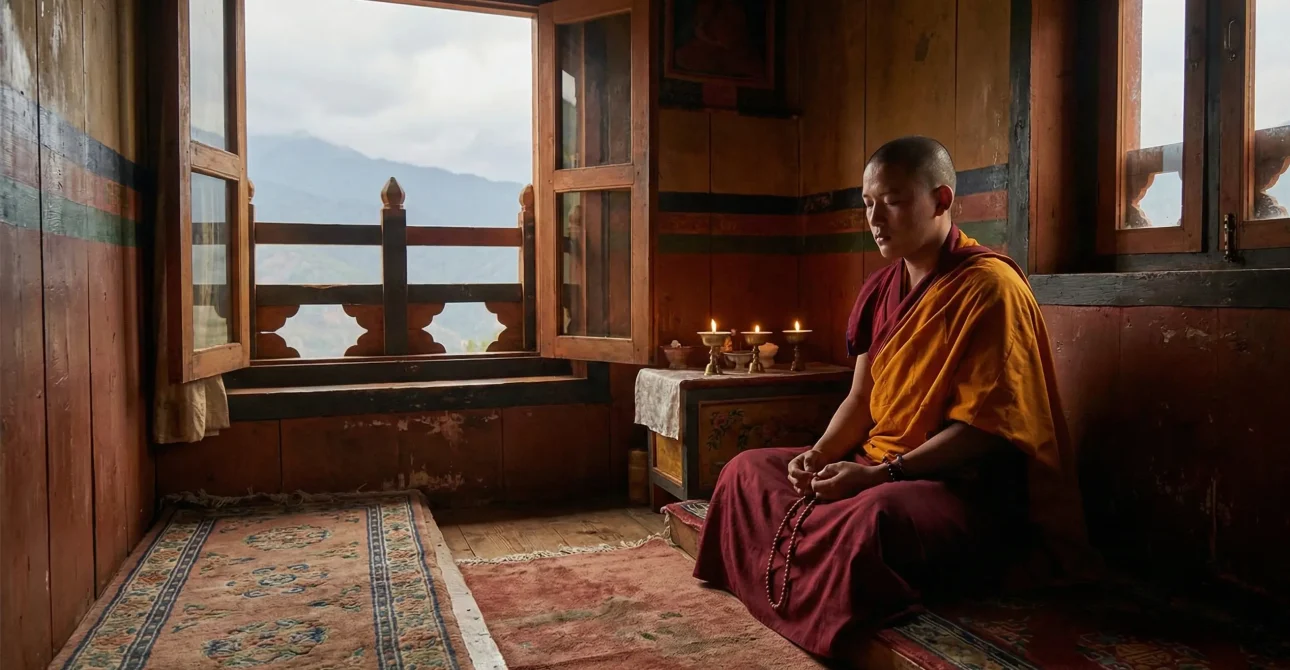
Picture standing at 10,000 feet, lungs burning from thin mountain air, watching a crimson-robed monk feed stray dogs outside a 1,300-year-old monastery. Your phone has no signal. Your watch feels irrelevant. For the first time in months, you are completely present.
Welcome to Bhutan, where slow living a way of life.
In our bucket-list-ticking world, Bhutan dares to ask a radical question: What if travel was about transformation, not accumulation? This is why the Land of the Thunder Dragon has become the ultimate sanctuary for travellers seeking depth over distance.
Happiness is Policy
While most countries measure success in GDP, Bhutan measures it in Gross National Happiness. This is not just clever marketing, it is constitutional law. Every policy decision must pass the happiness test. Roads curve around sacred trees. Development stops for nesting birds. Ancient festivals take precedence over economic deadlines.
The result? A nation that moves to the rhythm of seasons, not stock markets. Where prayer flags matter more than billboards. Where “rushing toward enlightenment” is considered an oxymoron.
Mindfulness That Actually Means Something
Forget meditation apps and mindfulness workshops. In Bhutan, mindfulness is not something you practice, it is something you breathe. The very air seems to slow time, inviting you to match its unhurried pace.
Watch a Bhutanese artisan carve a wooden mask. She doesn’t rush. Each stroke is deliberate, almost ceremonial. Ask her about deadlines, and she will look puzzled. “Good work,” she might say, “takes the time it takes.”
This philosophy permeates everything. Meals become ceremonies. Conversations become connections. A simple walk transforms into moving meditation, where every step grounds you deeper into the present moment.
A living Culture
What is extraordinary about Bhutan: authenticity is not curated for tourists, it is simply Tuesday.
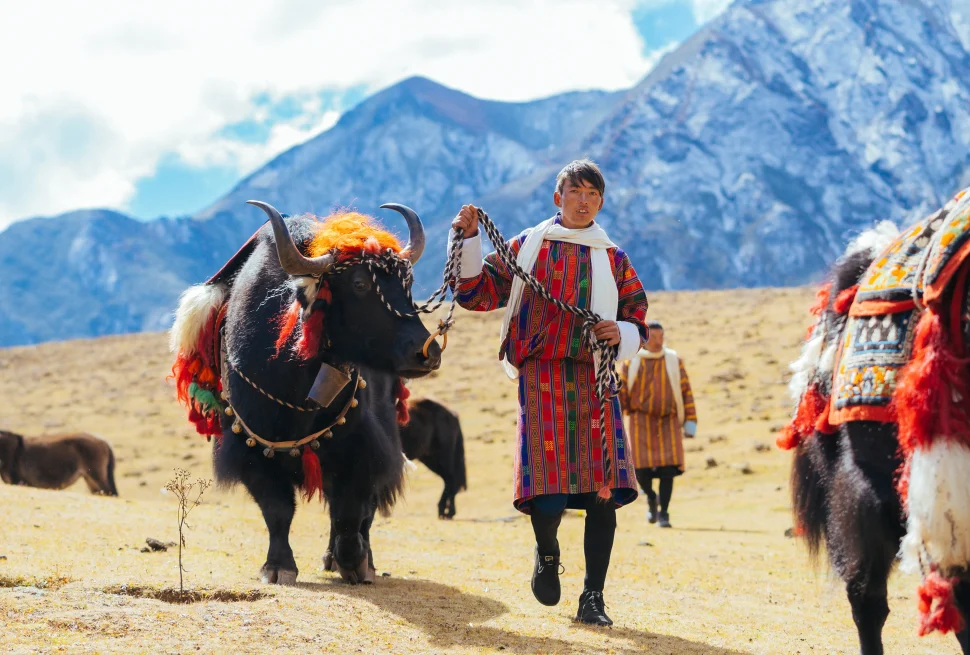
The elderly woman spinning prayer wheels at dawn is not performing for your camera. She is been doing this for decades. The teenagers wearing traditional gho and kira are not in costume, it is their school uniform, their daily choice, their cultural identity worn with pride.
This creates something rare in our globalized world: genuine cultural immersion. You are not watching Bhutanese life through a tourist lens, you are invited to participate in it. Share butter tea with monks during their afternoon break. Join the evening kora around sacred sites. Dance at village festivals where you are the only foreigner, but everyone treats you like family.
Sacred Spaces That Heal the Soul
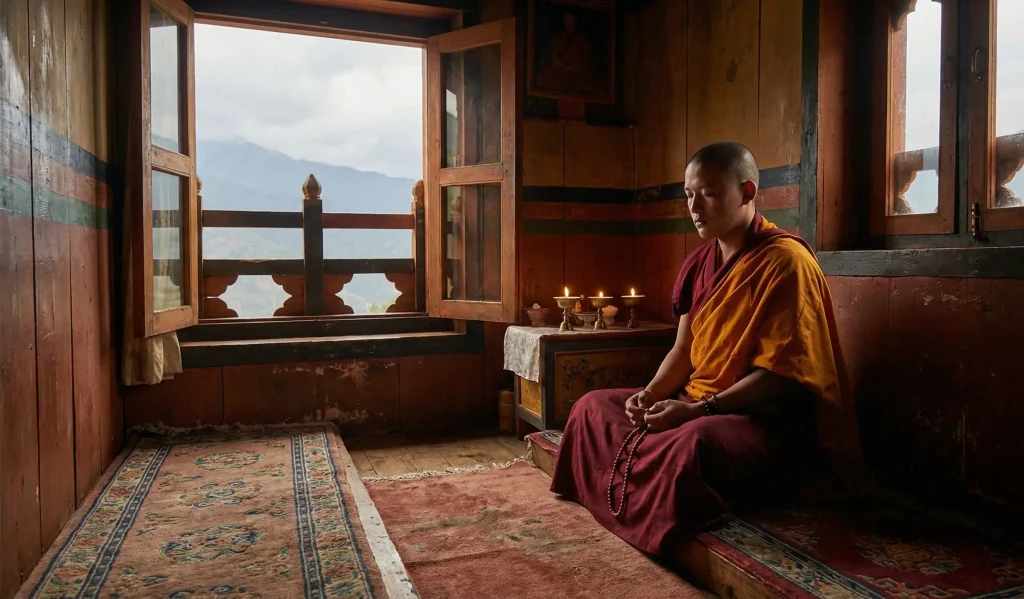
Bhutan cradles over 2,000 temples and monasteries, each one a doorway to something deeper than sightseeing. These are not museum pieces, they are living, breathing centers of spiritual practice where incense mingles with ancient chants and butter lamps flicker like prayers made visible.
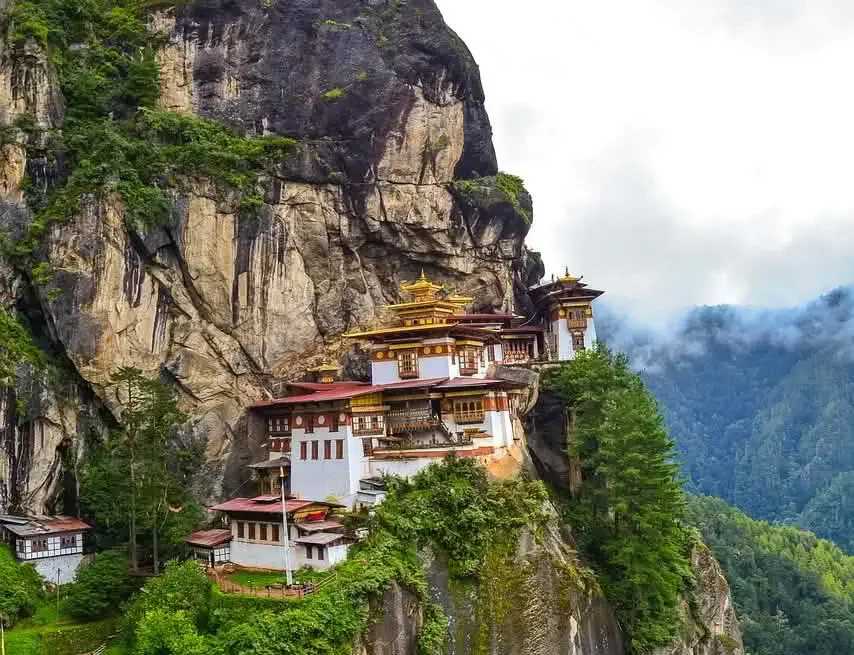
Take the legendary Tiger’s Nest Monastery, dramatically perched on a cliff face 3,000 feet above the Paro valley. The three-hour hike to reach it is not just transportation, it is transformation. Each switchback peels away another layer of mental noise. Each rest stop offers not just mountain views, but inner vistas you would forgotten existed.
By the time you reach the monastery, you have earned more than a photo opportunity. You have earned a moment of profound stillness in a world that is forgotten how to be still.
Digital Detox That Doesn’t Feel Like Deprivation
Bhutan introduced television in 1999—the same year most of us got our first email addresses. This late embrace of technology created something magical: a culture that uses digital tools without being consumed by them.
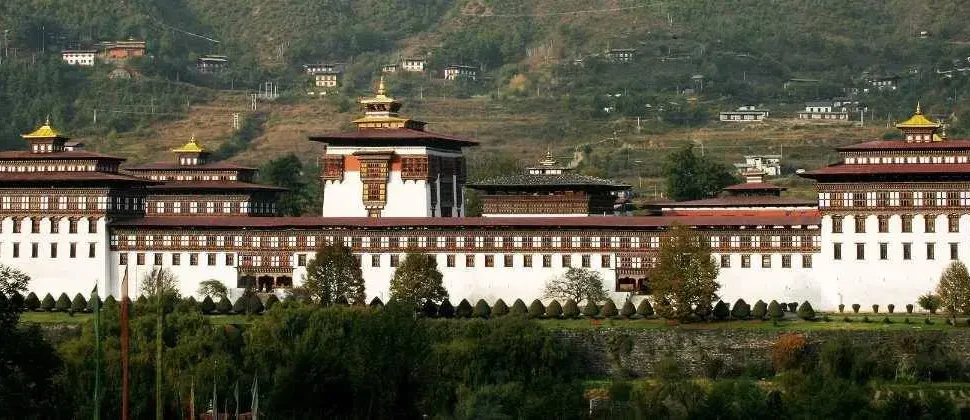
WiFi exists in hotels and restaurants, but somehow, you’ll find yourself naturally disconnecting. Maybe it’s the way conversations here unfold without the urgent ping of notifications. Maybe it’s how the landscape demands your full attention—no filter could capture the way morning mist dances around ancient dzongs.
Your phone becomes a camera, not a crutch. Your evening entertainment becomes star-gazing, not screen-scrolling. And surprisingly, you don’t feel deprived, you feel liberated.
Where Itineraries Become Invitations
In Bhutan, schedules are suggestions, not commandments. Plans bend to accommodate spontaneous moments of wonder. Your guide might suddenly pull over because blue poppies have bloomed earlier than expected. Or perhaps a village is celebrating an impromptu festival, and you’re warmly invited to join.
This flexibility isn’t inefficiency—it’s wisdom. Bhutan teaches that the most meaningful moments can’t be scheduled. They emerge when you’re present enough to notice them, patient enough to receive them, and humble enough to let them change you.
Encounters That Rewire Your Heart
Travel here isn’t about checking boxes—it’s about authentic human connection. A master weaver doesn’t just show you her textiles; she shares the stories woven into each thread. A young monk doesn’t just explain Buddhist philosophy; he offers insights that quietly reorganize how you think about suffering, joy, and purpose.
These interactions aren’t orchestrated for tourists—they’re expressions of a culture that values depth over speed, quality over quantity, meaning over materialism. Every conversation becomes a small revolution in how you understand the world.
The Transformation That Follows You Home
Here’s what happens when you travel the Bhutanese way: You don’t just return with photos and souvenirs. You return rewired.
You might find yourself lingering over morning coffee instead of rushing to check emails. Choosing a walk in nature over another Netflix episode. Having deeper conversations with friends instead of surface-level small talk. Measuring your day’s success not in tasks completed, but in moments fully experienced.
This isn’t temporary vacation bliss—it’s sustainable life wisdom. Bhutan doesn’t just change how you travel; it changes how you live.
More Than a Destination: A Philosophy
Visiting Bhutan isn’t just about seeing the last Shangri-La—it’s about embracing a radically different way of being in the world. It’s about supporting a country that dares to prioritize well-being over wealth, sustainability over exploitation, and authenticity over convenience.
In a world racing toward digital overwhelm and environmental collapse, Bhutan offers a different path forward. It’s living proof that another way is possible—where ancient wisdom guides modern choices, where happiness isn’t pursued but cultivated, and where every visitor leaves not just with memories, but with a transformed understanding of what truly matters.
So ask yourself: Are you ready to trade your to-do list for a to-be list? To exchange rushing for reflection? To discover that in a world obsessed with having more, Bhutan offers something infinitely more valuable—the art of being enough?
The mountains are waiting. And they have all the time in the world.
The Ripple Effects of Slow Travel
The impact of traveling Bhutan’s way stays with you long after you return home. You may find yourself rethinking what success looks like. Slowing your mornings. Talking more deeply. Choosing nature over noise.
In Bhutan, “enough” is a virtue, not a compromise. You begin to understand that joy doesn’t come from having more but from appreciating what is already here.
Many travelers report feeling transformed more grounded, more grateful, more alive. Bhutan doesn’t just change how you travel. It changes how you live.
Embracing the Bhutanese Way
Bhutan teaches us that travel can be transformative rather than merely recreational. It demonstrates that tourism can preserve rather than destroy, that slower can be more fulfilling than faster, and that happiness can indeed be a national priority.
When you visit Bhutan, you are not just taking a vacation, you’re participating in a living experiment in conscious living. You’re supporting a model of development that prioritizes well-being over wealth, sustainability over profit, and authenticity over convenience.
In a world that often feels increasingly disconnected and fast-paced, Bhutan offers a different path forward. It’s a place where ancient wisdom guides modern choices, where happiness is measured not in possessions but in purpose, and where every visitor leaves not just with memories but with a transformed perspective on what truly matters.