
Login

Sign Up

After creating an account, you'll be able to track your payment status, track the confirmation and you can also rate the tour after you finished the tour.
Username*
Password*
Confirm Password*
First Name*
Last Name*
Birth Date*
Email*
Phone*
Country*
* Creating an account means you're okay with our Terms of Service and Privacy Statement.
Please agree to all the terms and conditions before proceeding to the next step

Already a member?

Login
+975 17449062 info@ombatravel.com

Login

Sign Up

After creating an account, you'll be able to track your payment status, track the confirmation and you can also rate the tour after you finished the tour.
Username*
Password*
Confirm Password*
First Name*
Last Name*
Birth Date*
Email*
Phone*
Country*
* Creating an account means you're okay with our Terms of Service and Privacy Statement.
Please agree to all the terms and conditions before proceeding to the next step

Already a member?

Login

Treking

Trekking in Bhutan

Walk where the mountains are still sacred

Bhutan’s trails climb from blue-pine forest to glaciers above 5,000 metres, past yak camps, cliff-side monasteries and passes strung with prayer flags — and you will very likely have them almost entirely to yourself. This is Himalayan trekking as it once was: unhurried, uncrowded, and deeply alive.

5,470mthe highest pass on the Snowman Trek
1–25days on the trail, from a morning hike to a month-long crossing
Camp-
supported
cooks, crew and pack animals carry the load
Almost
empty
low-volume tourism keeps the trails quiet

Why walk here

Trails that time forgot

Most of Bhutan has no roads. Whole valleys are reached only on foot, exactly as they have been for centuries — which means a trek here is not a detour from the country, it is the country. You walk between fortress-monasteries and farming hamlets, cross high passes into hidden basins, and share the path with herders moving their yaks to summer pasture.

Because Bhutan keeps tourism deliberately low-volume, the great routes never feel crowded. On the remote trails you can walk for days without meeting another traveller — only the occasional caravan, a lone monk, or the tracks of a snow leopard in fresh snow.

Choose your trail

From a morning climb to the world’s hardest trek

Bhutan has a trail for every kind of walker. These are the routes we know best — grouped by how much time and stamina they ask of you. Full day-by-day itineraries are on the way.

Day hikes

A taste of the trail

  • Tiger’s Nest (Paro Taktsang)Half day · a steep climb to Bhutan’s signature cliff monastery
  • Bumdra1–2 days · ridgeline camp above Paro with a sweep of peaks

Multi-day

The classic routes

  • Druk Path5–6 days · lakes and passes between Paro and Thimphu
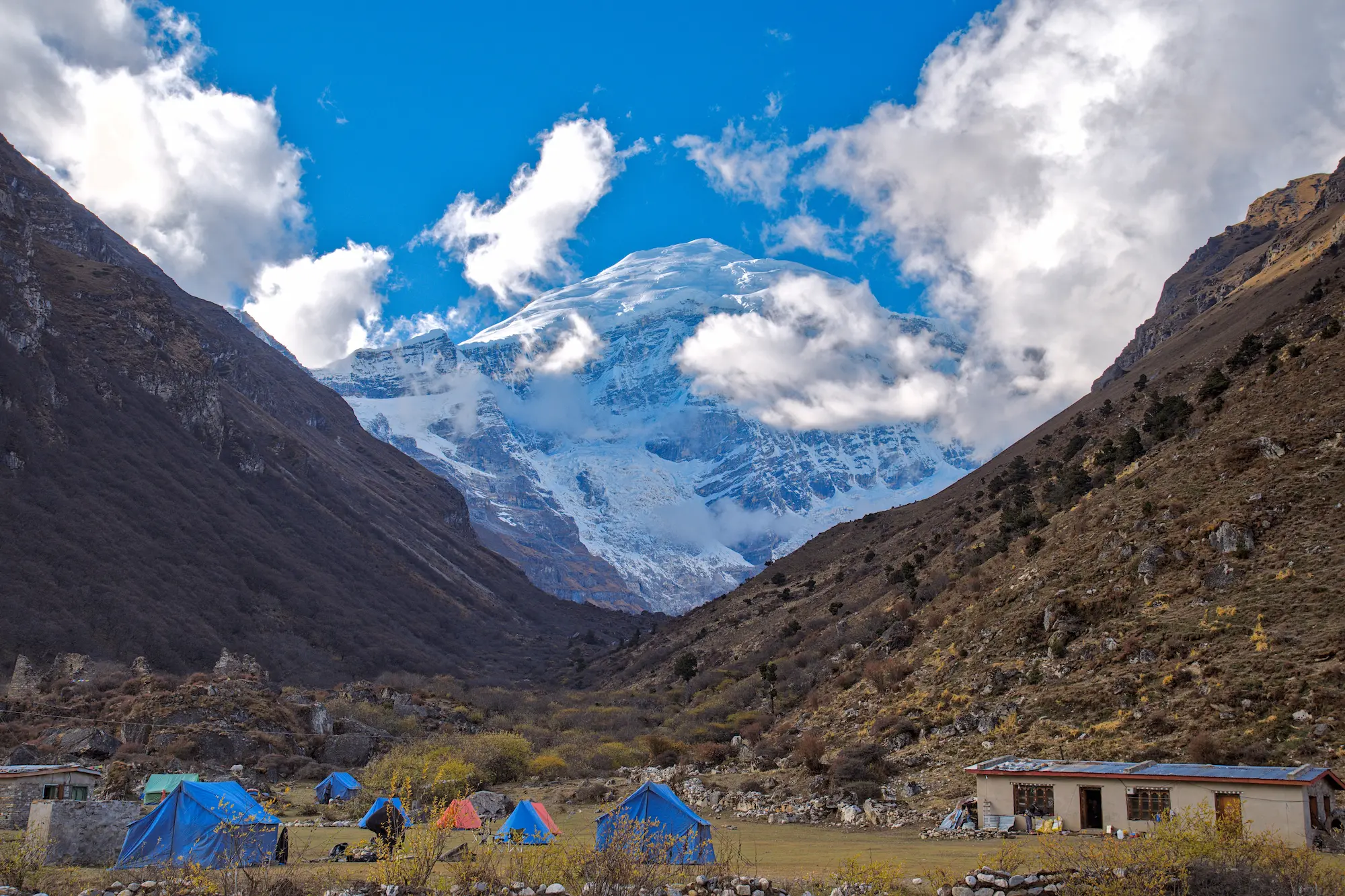
  • Jomolhari7–9 days · camp at the foot of a sacred 7,000m peak
  • Dagala Thousand Lakes5–6 days · a high plateau scattered with alpine lakes

Expedition

For the committed

  • Laya–Gasa12–14 days · remote highland villages and hot springs
  • The Snowman Trek25+ days · eleven passes; among the hardest treks on Earth

Gentle & cultural

No summit required

  • Trans Bhutan TrailIn easy stages · a 400km pilgrim route, walked or cycled
  • Bumthang Owl Trek3 days · gentle forest walking through the spiritual heartland

How hard is it?

Four levels, honestly graded

EasyDay walks below 3,000m. Good boots and normal fitness are enough.
Moderate3–6 days, passes to ~4,200m. Some long ascents; camping every night.
Challenging7–14 days, passes 4,500–5,000m. Real altitude; sustained walking.
Strenuous15+ days above 5,000m. Serious expeditions for experienced trekkers.

When to go

Two golden windows

SpringMarch–MayHillsides ablaze with rhododendron and wildflowers, crisp mornings and warming days. The most colourful time to walk.
AutumnSeptember–NovemberThe clearest skies and most stable weather of the year, with the sharpest mountain views. Prime trekking season.
WinterDecember–FebruaryCold and bright. Low-altitude walks stay open, but the high passes are closed by snow.
SummerJune–AugustMonsoon months — wet, green and quiet. Best kept to short, low walks.

How we trek

Everything carried, nothing rushed

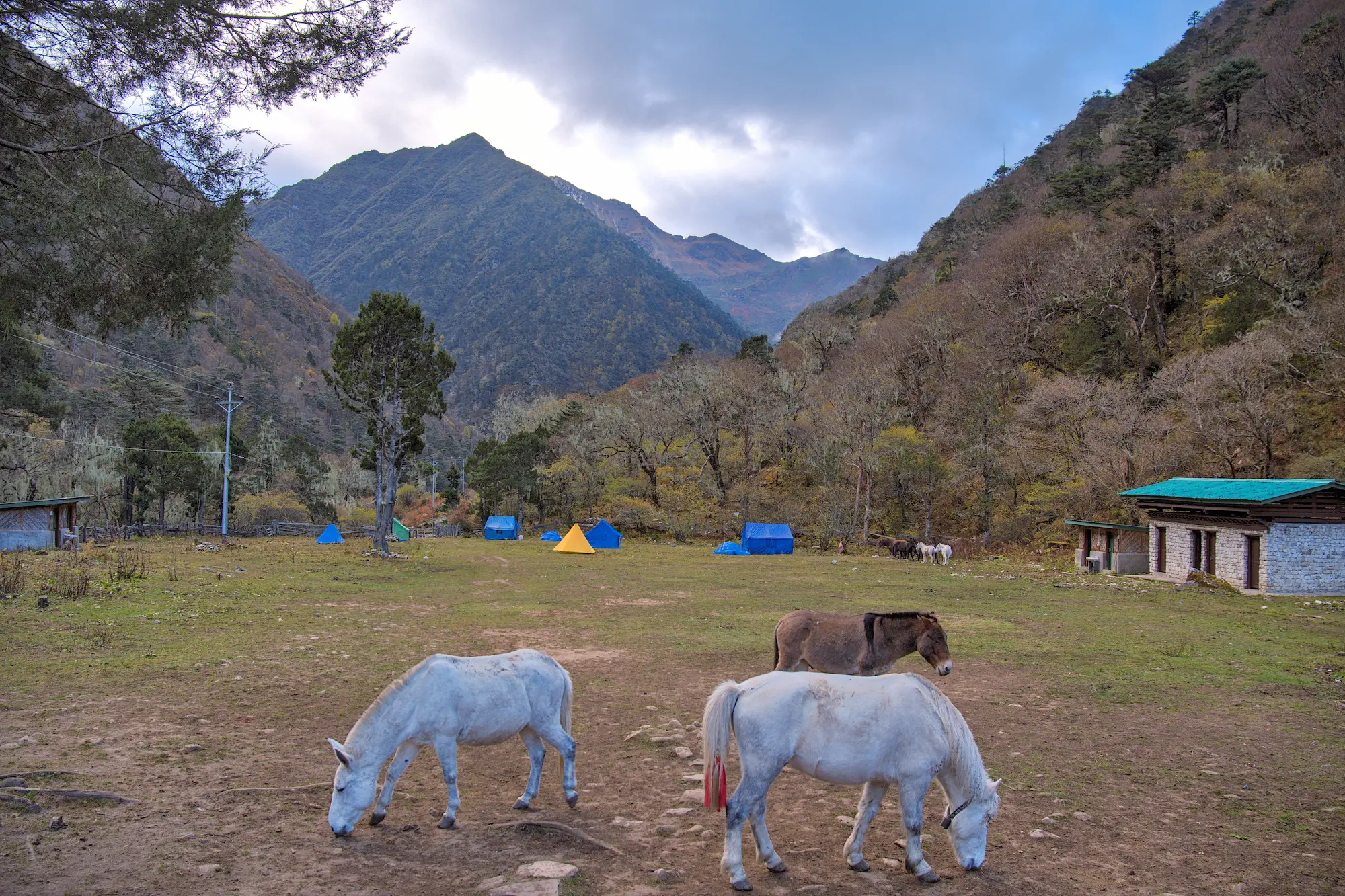
Every Omba trek travels with a licensed local guide, a camp cook and a support crew, with horses or yaks carrying the tents, food and gear. You walk with a light daypack and a steady, acclimatised pace — extra days are built into the higher routes so your body has time to adjust.

We keep groups small and camps clean, hire and train locally, and leave the trails exactly as we found them. Low-volume, high-value travel — done responsibly.

Trek with Omba

Find the trail that fits you.

Tell us how many days you have and how far you want to push, and we’ll match you to the right route — detailed itineraries and dates are on the way.

The Tiger's Nest monastery, Paro

Trekkers on a trail in the Bhutan Himalaya

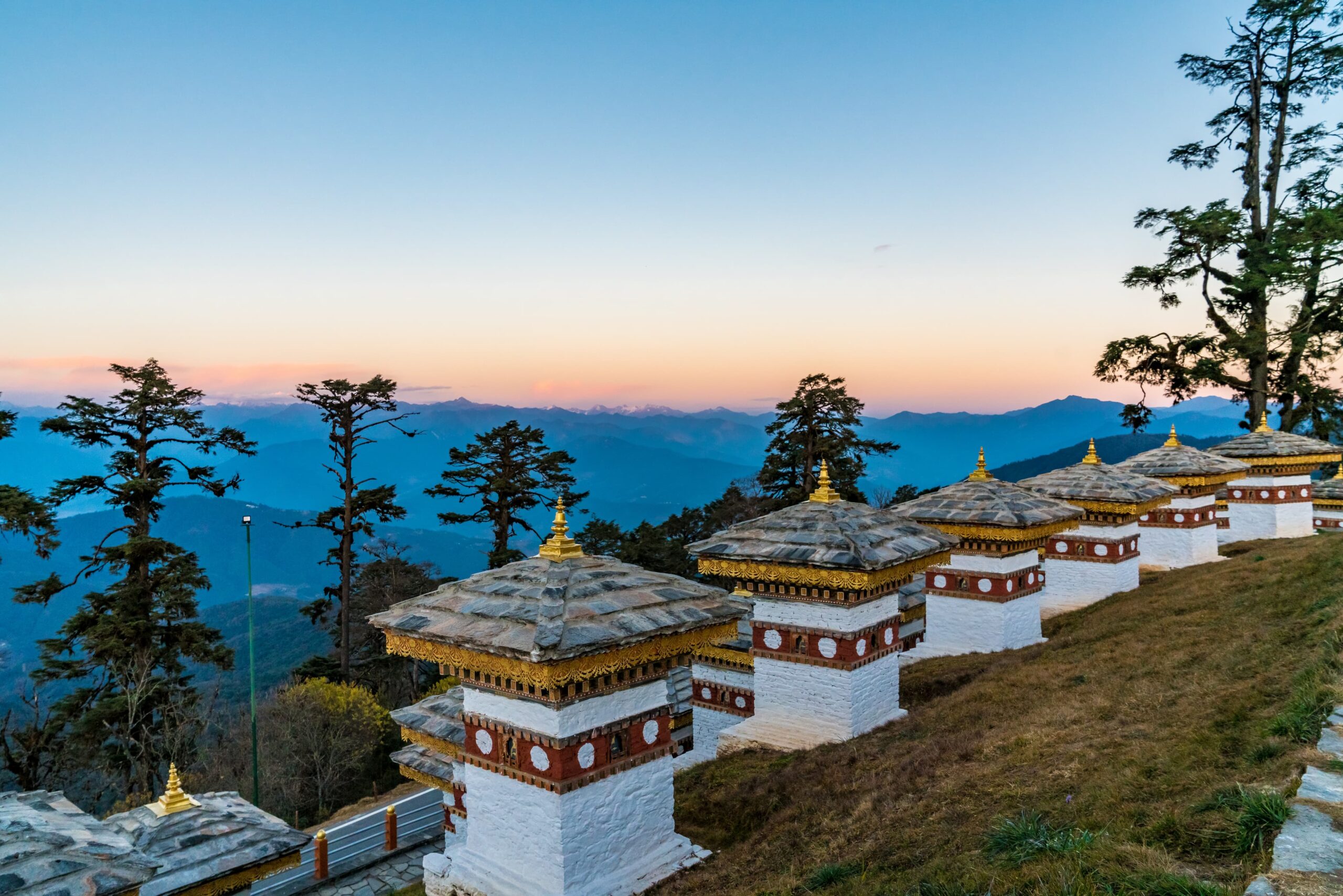
The 108 chortens at Dochula Pass, Bhutan

The sacred peak of Jomolhari

Translate »

Proceed Booking